
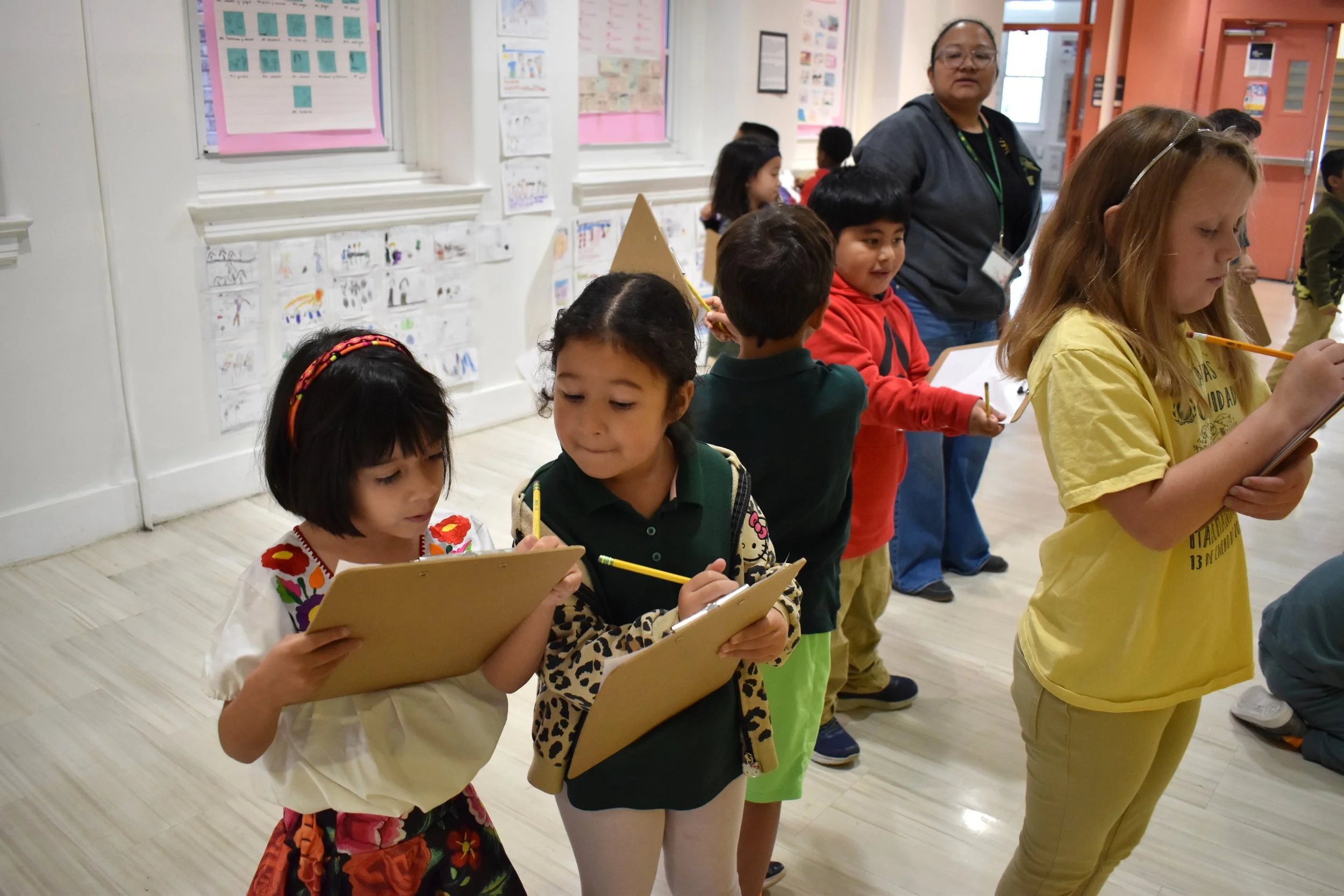
On October 28–29, 2026, Bruce Monroe @ Parkview Elementary in Washington, D.C. held their 7th Annual Teaching Central America (TCA) Celebration. Centering Central America is uniquely important to their school, as more than 50% of their Spanish-speaking families have ties to this region. Transdisciplinary projects like TCA provide meaningful opportunities for authentic culturally responsive teaching and equity-driven instruction. With the themes of identity and criticality at the core of TCA projects across the school, they set a strong foundation for yearlong equity work and a rigorous program of study.
This year, the Teaching Central America experience invited students to explore the powerful connections between identity, culture, history, land, and community. Through storytelling, art, mathematics, science, music, and cultural exploration, students examined how our identities are shaped by the people, places, and traditions that connect us across generations and borders. From weaving and murals to environmental justice and the cultural contributions of Central America, students learned that our stories matter, our histories shape us, and our differences enrich our communities. The celebration highlighted not only what students have learned about Central America, but also what they discovered about themselves, one another, and their collective power to build communities rooted in belonging, respect, and justice.
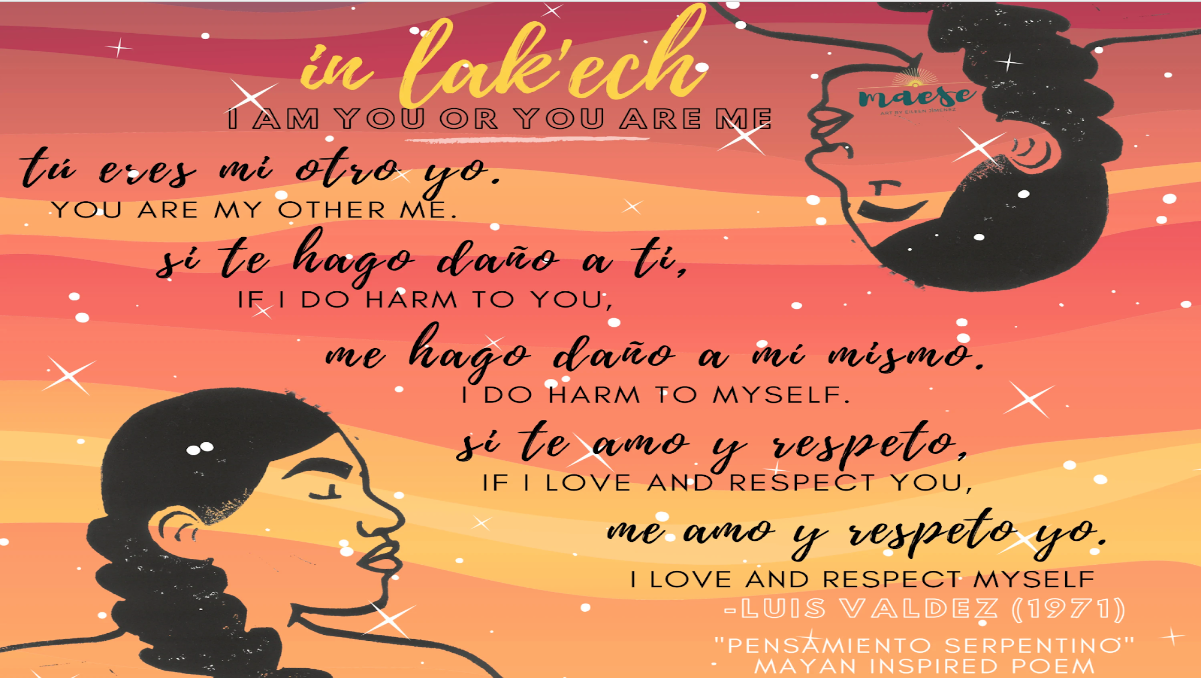
In Lak’ech is the Mayan moral code meaning, “You are my other me. What I do unto you, I do unto myself.” This is a poem students recited daily to remind them of the importance of each of person in the school community. The focus of the celebration showed insight into individual identities as well as the school’s identity.
Below read descriptions of each grade level’s six week exploration of Central America.
Early Childhood
How are trees and places connected?
¿Cómo están conectados los árboles y los lugares?
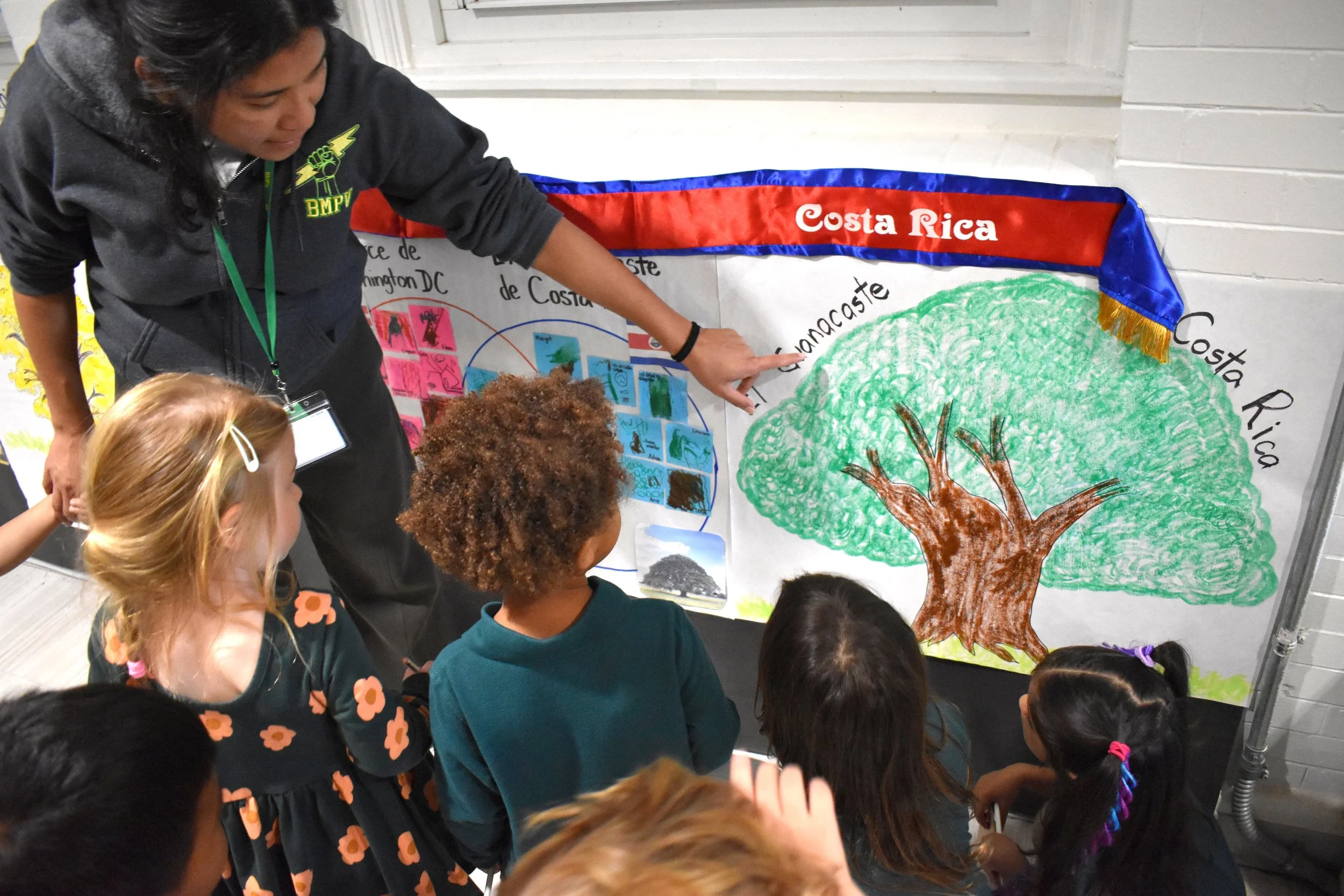
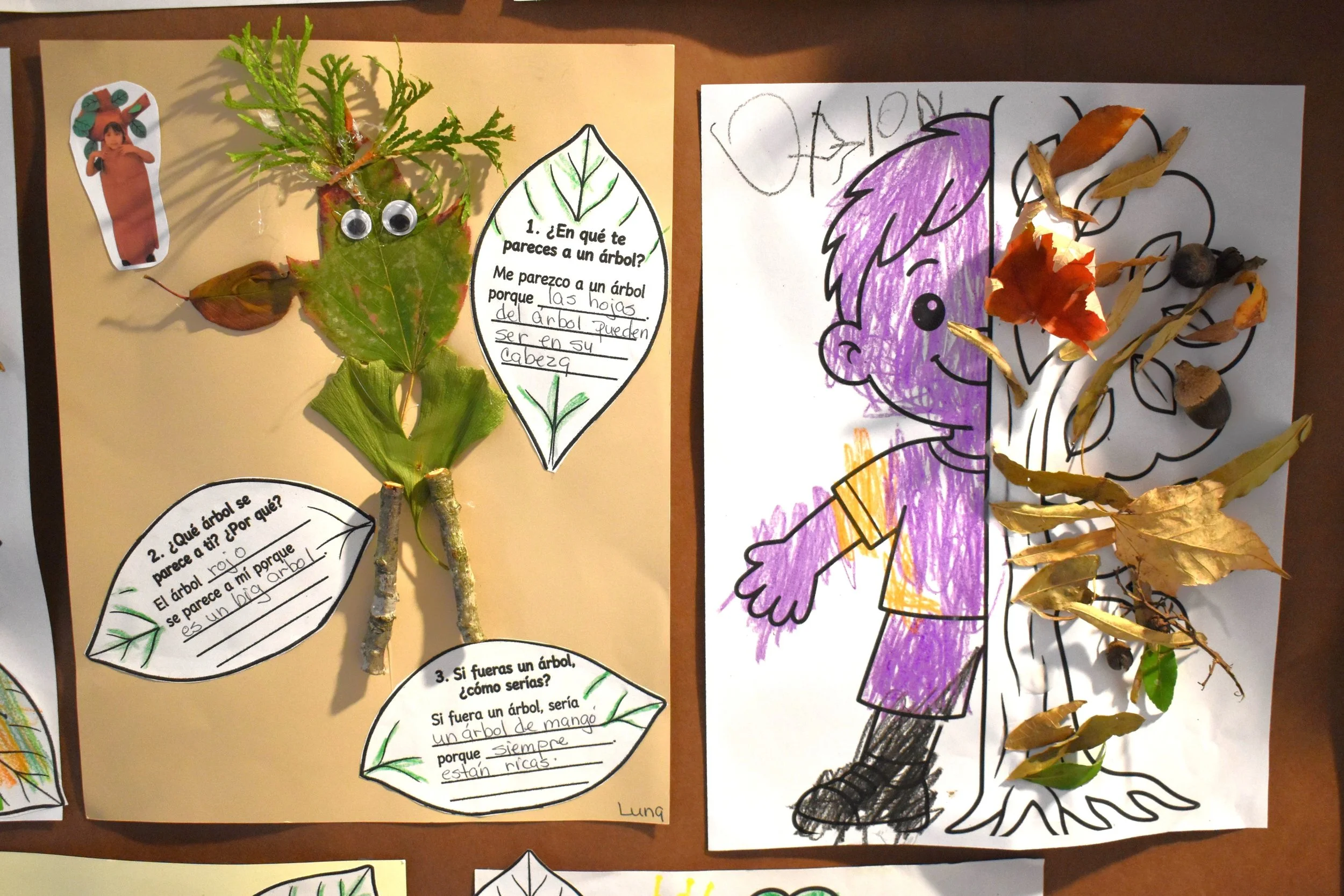
Students began exploring the connections between trees, places, identity, and community through hands-on experiences, observations, conversations, and books. They linked the characteristics of trees to their own identities and explored the trees found within their school community and in Central America. They also observed and compared trees from different locations, identifying similarities and differences in their leaves, trunks, flowers, and seeds. As the study continues, students will deepen their understanding of how trees relate to people, families, cultures, communities, and the environments in which they grow. Students explored this topic through:
Observing and identifying the various parts of trees—including roots, trunks, branches, leaves, flowers, fruits, and seeds—through hands-on exploration, community walks, and a visit from Casey Trees.
Investigating what trees need to grow and survive, through observations, discussions, and activities related to their care.
Reading and engaging with stories and informational texts about trees, nature, and identity.
Exploring the connections between trees and their own identities through stories and creative expression.
Observing and comparing trees from Washington, D.C., and Central America, identifying similarities and differences in their physical characteristics.
Researching animals that live in trees, exploring how trees provide shelter and habitats for other living things.
Counting, classifying, and creating patterns using leaves, seeds, and other natural materials.
Representing their observations, questions, discoveries, and ideas through drawings, visual displays, and oral language.
Creating individual projects and participating in a collective exhibition that documents their learning and the ongoing investigations they are developing.
Kindergarten
How can our stories help us make connections to each other’s identities?
¿Cómo pueden nuestras historias ayudarnos a conectar con las identidades de los demás?
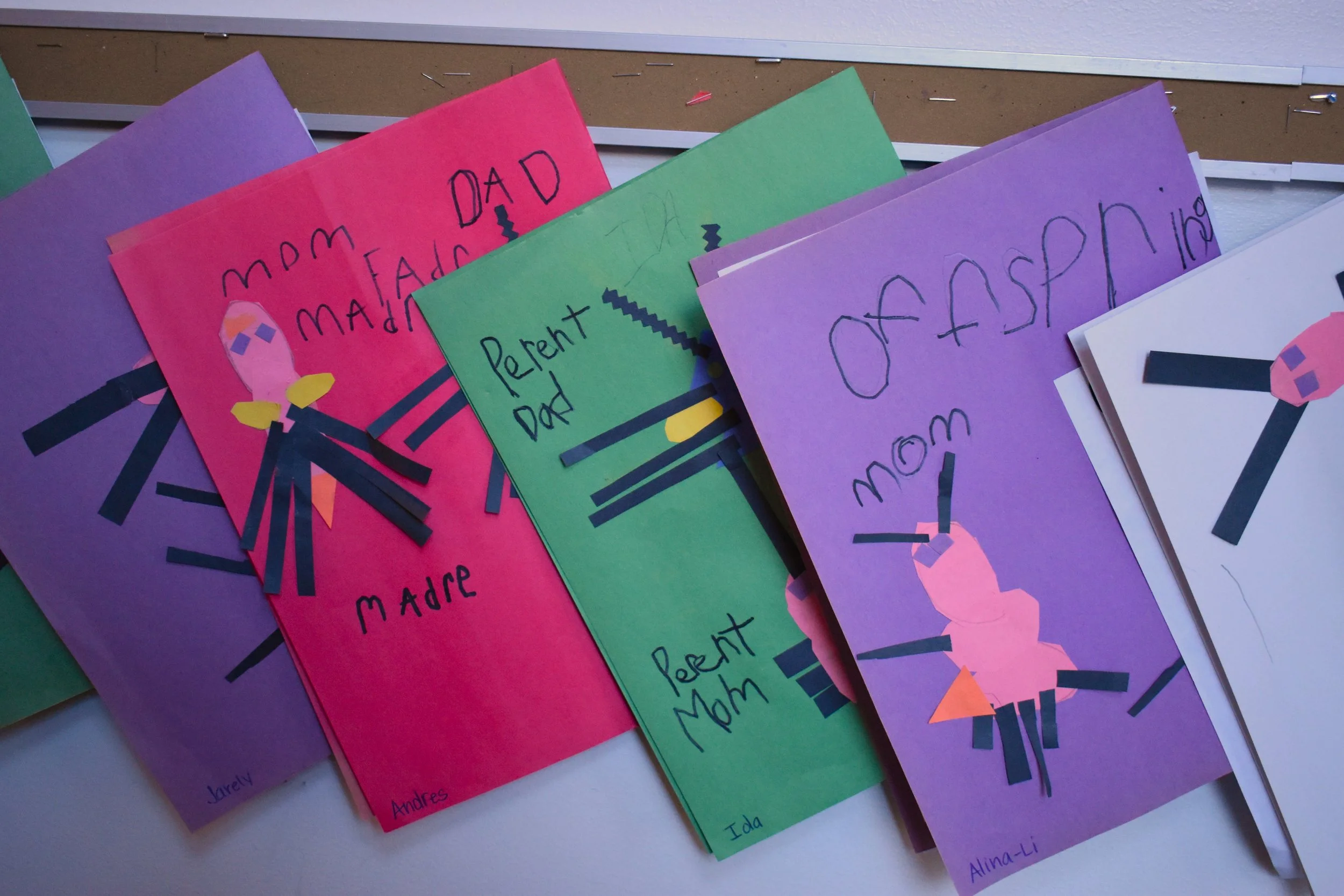
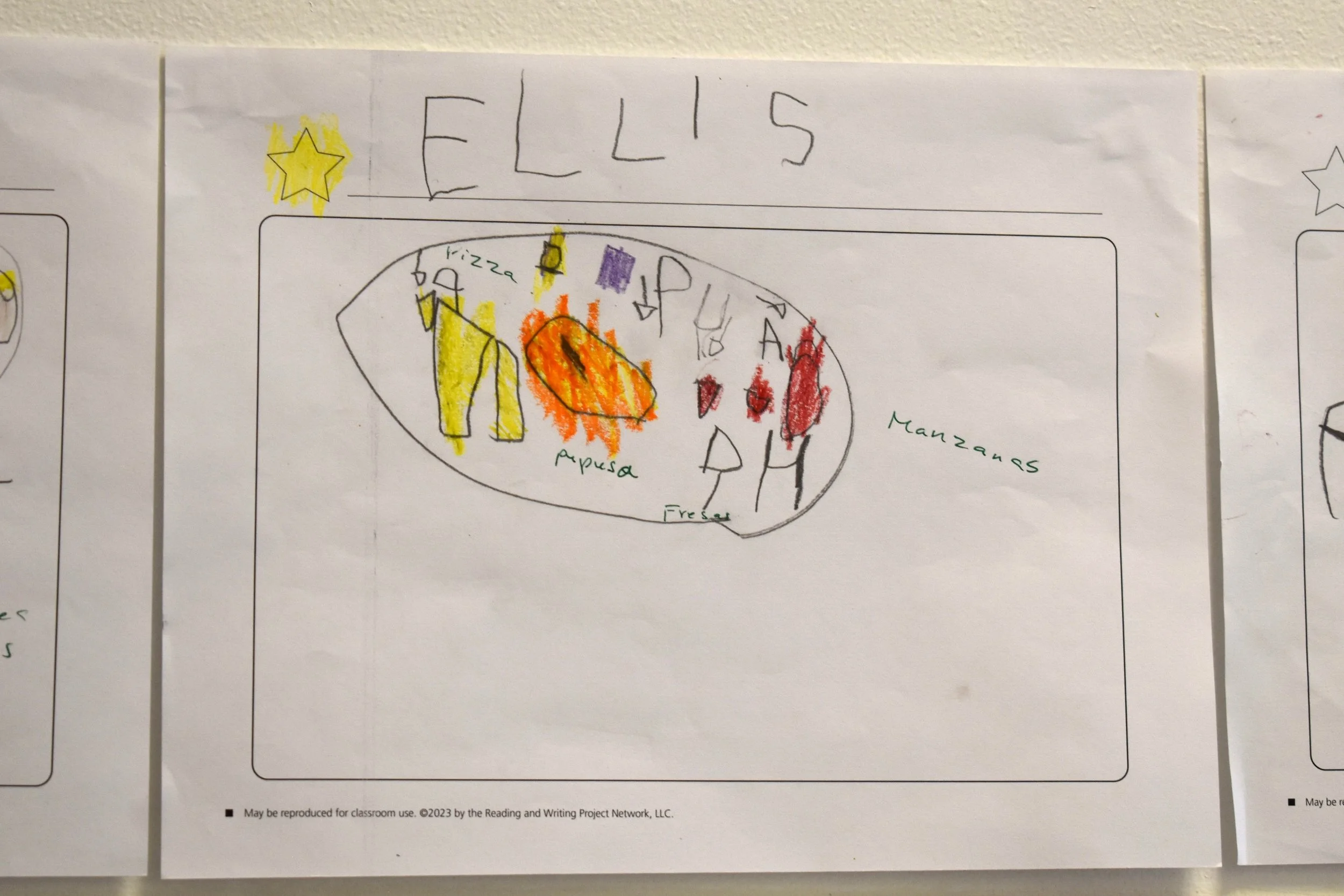
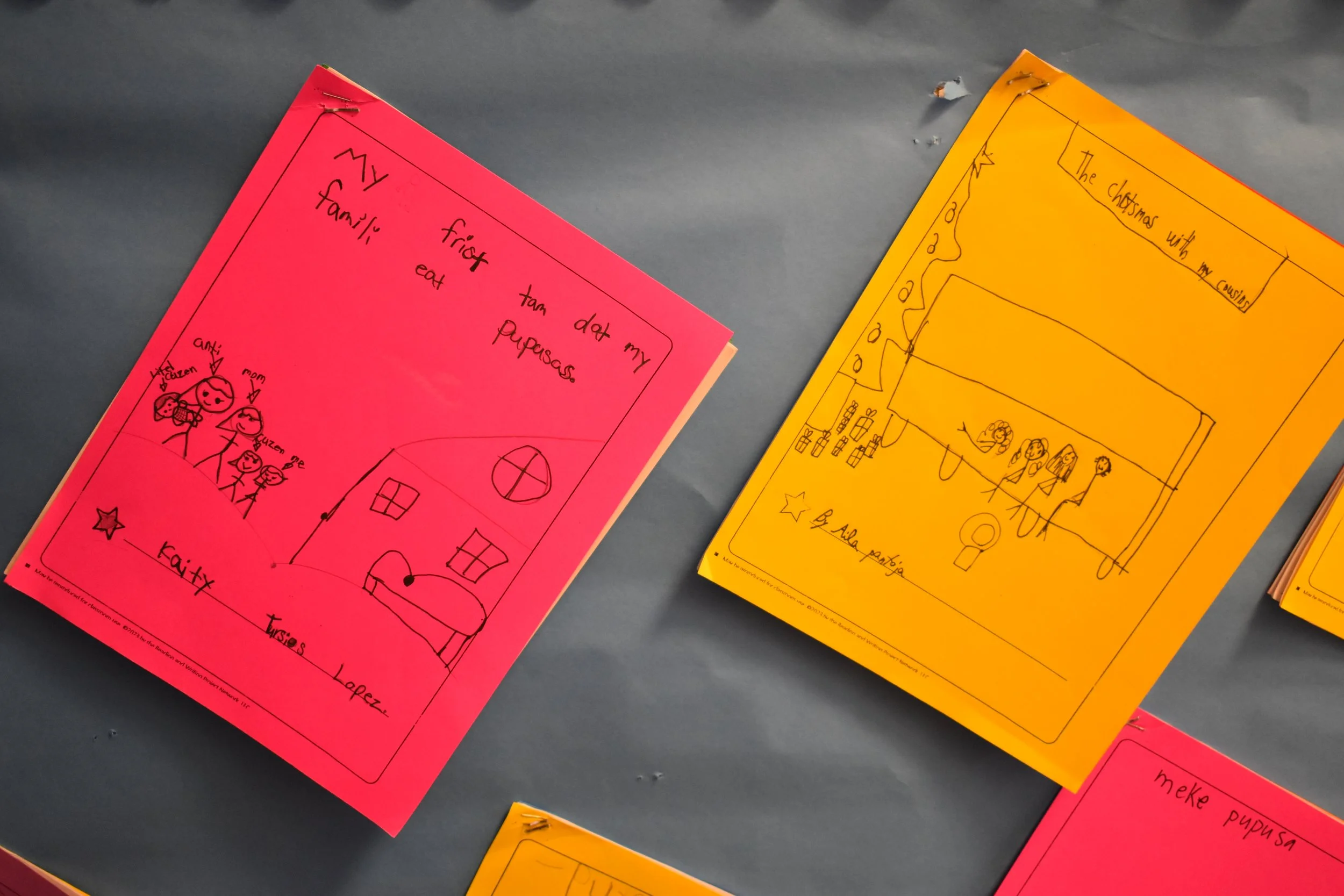
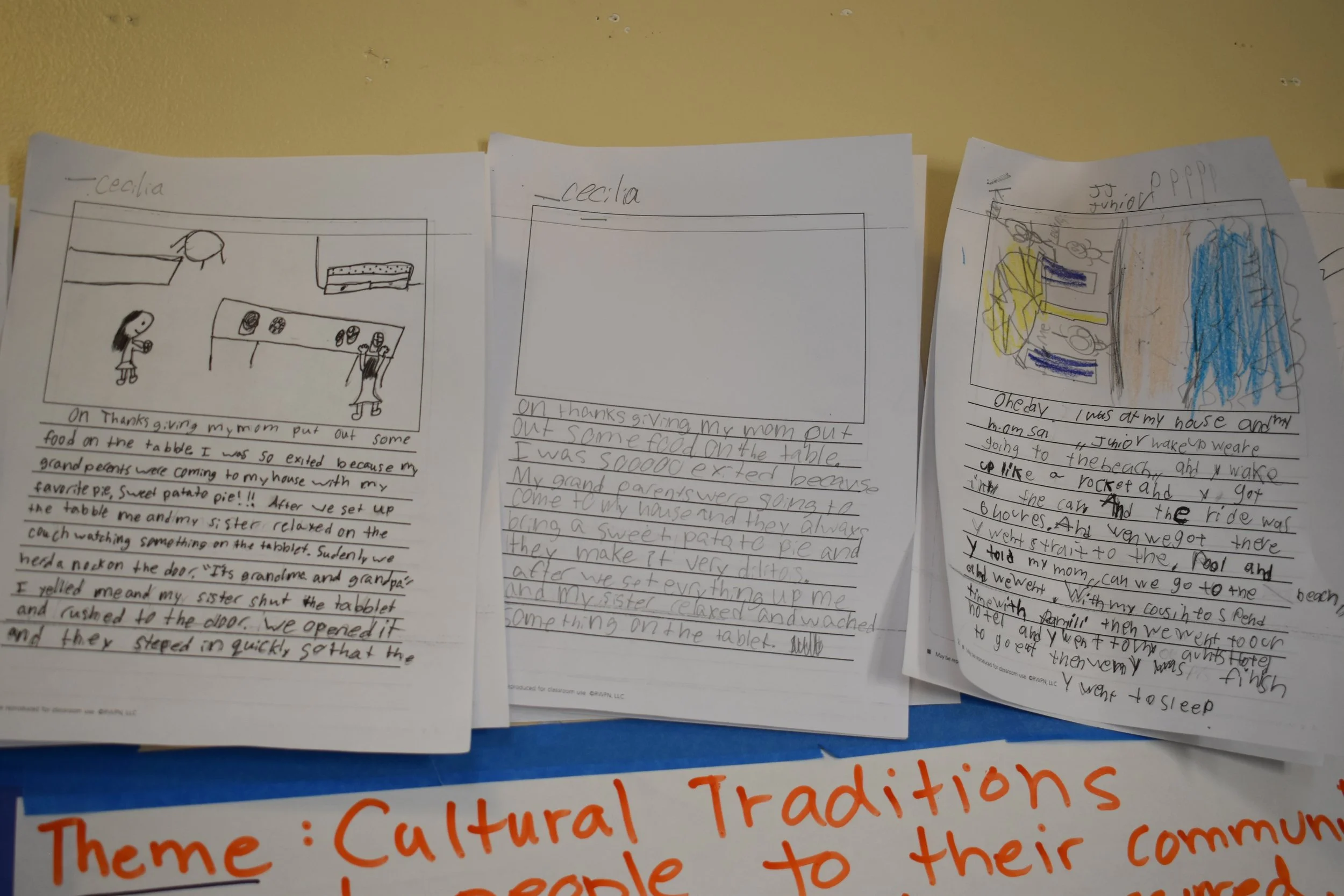
Kindergarten students explored how family stories, traditions, and food connect us to our cultures, our roots, and one another. Through read-alouds, writing, art, and family engagement, students discovered how traditions are passed down through generations and become part of our identities. By sharing their experiences and listening to their classmates' stories, students celebrated what makes each family unique while discovering the connections that bring us together.
As a culminating project, students wrote and illustrated a story about how food brings their families together, preserves traditions, and creates meaningful memories.
First Grade
Weaving and storytelling in Central America
Tejido y narración en Centroamérica
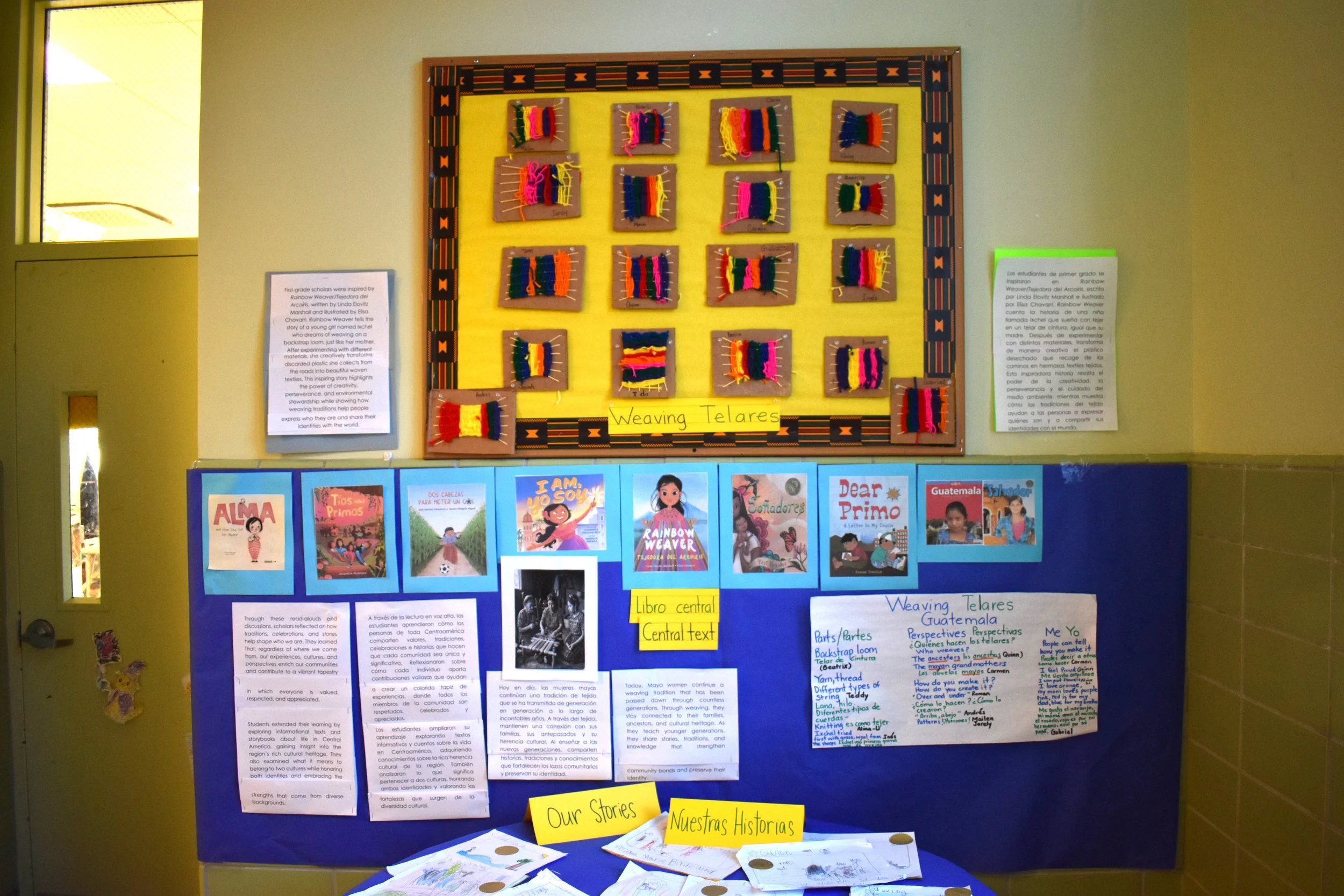
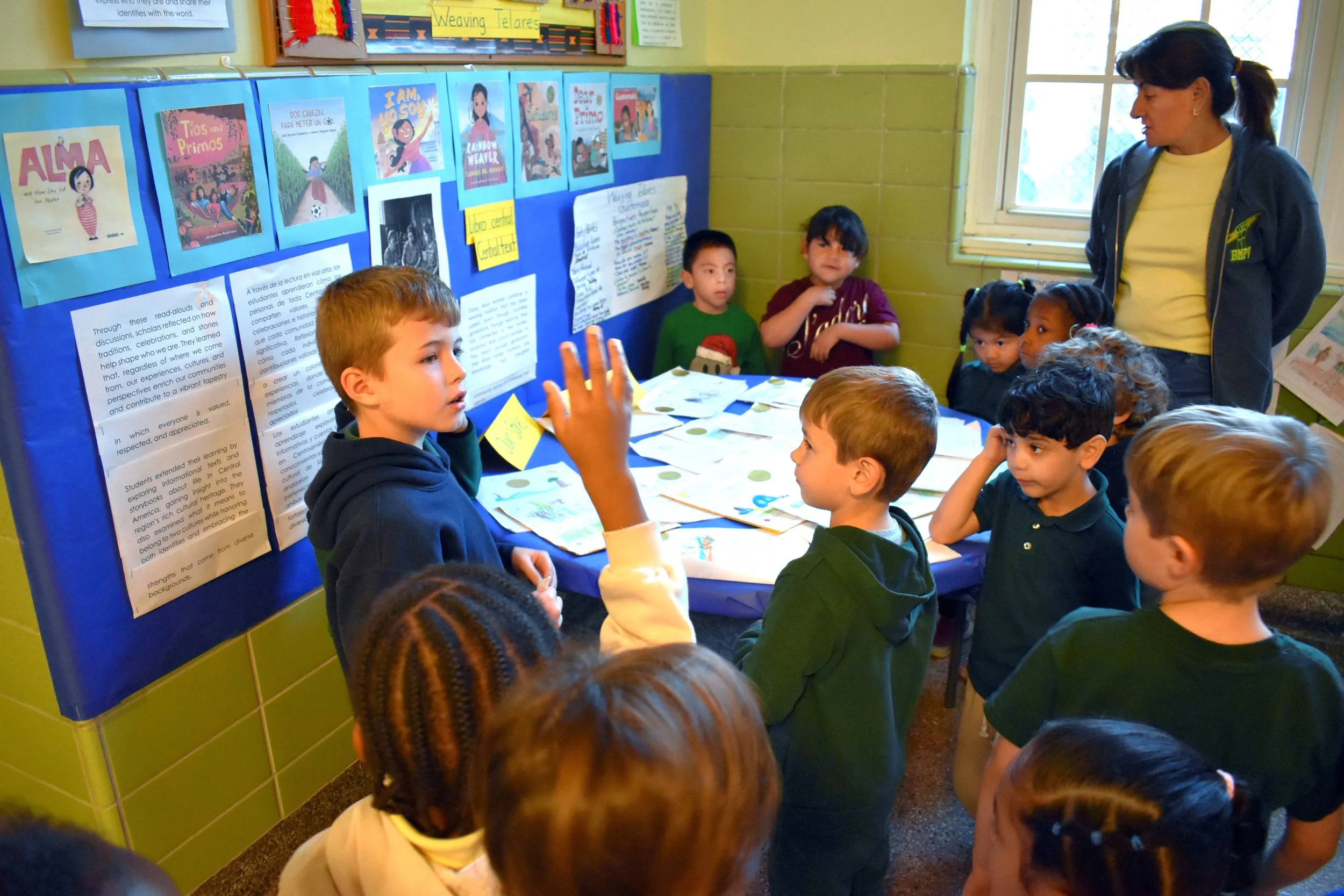
First graders explored:
What shapes my personal identity?
How is physical/cultural identity transmitted?
How can learning about myself and others create a stronger community?
How can I use this information to create a sense of belonging?
Weaving is a powerful expression of identity. Each thread reminds us of the knowledge, traditions, and stories passed down through generations. As we weave, we reflect on the people, cultures, and experiences that shape who we are and celebrate what makes each of us unique. Just as individual threads come together to create something beautiful, our stories and identities connect us to one another. By sharing our experiences, listening to others, and discovering our connections, we weave a stronger community—one rooted in belonging, respect, inclusion, and the understanding that our differences make us stronger together.
Second Grade
My story matters. Your story matters. Our stories connect us.
Mi historia importa. Tu historia importa. Nuestras historias nos conectan.
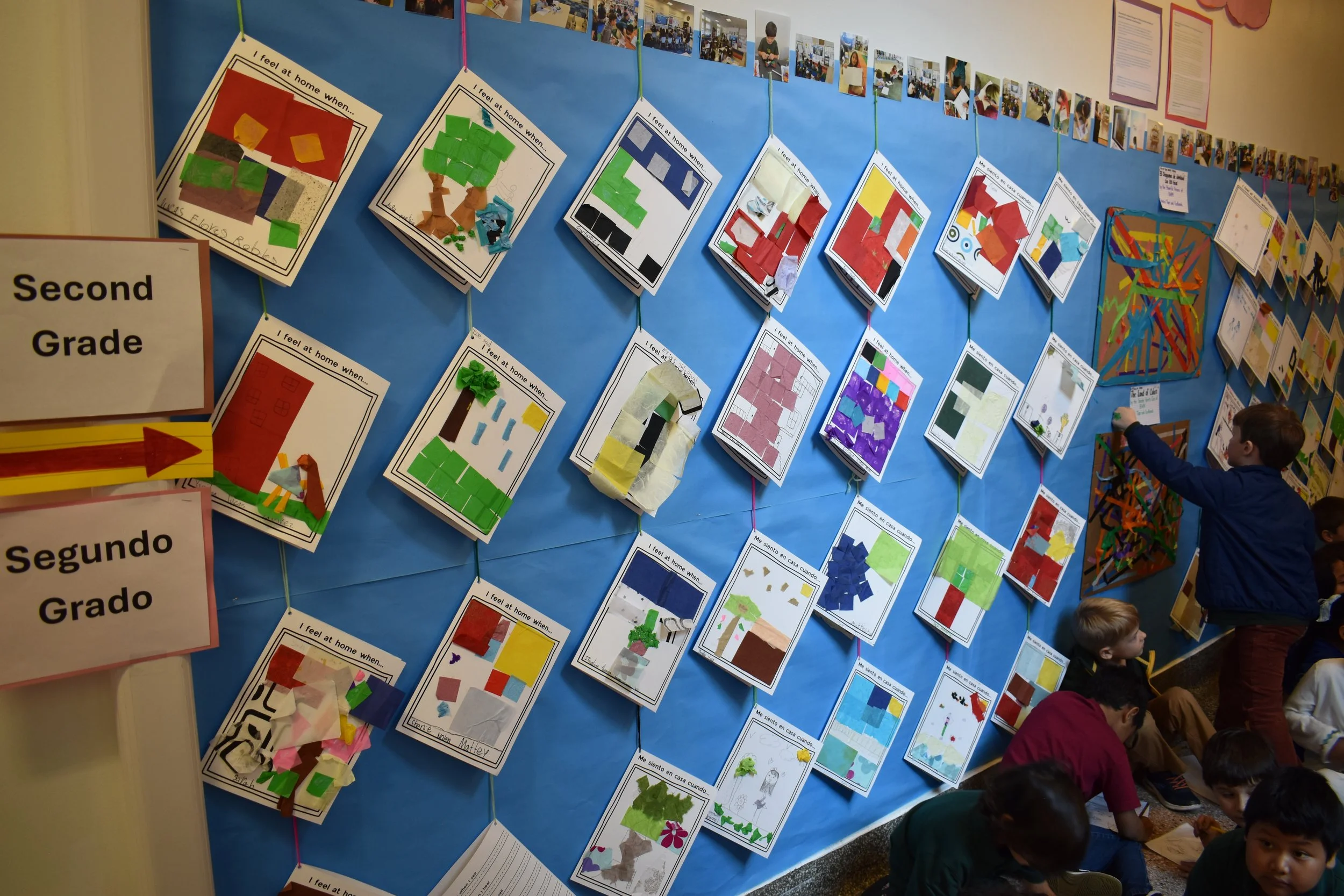
Students explored Central America by analyzing photographs, artwork, textiles, food, and other cultural artifacts. They created identity webs to deepen their understanding of who they are and the many aspects that shape their identities. Through this exploration, students developed an appreciation for the diversity of people, communities, cultures, and experiences across Central America.
Building on their exploration of identity, students wrote two small-moment narratives reflecting their personal experiences, families, and cultures. They shared their stories with partners, engaging in meaningful conversations about what they learned, noticed, and wondered. Through storytelling, students celebrated their own identities while learning more about one another.
Students also explored identity and community through mathematics. They collected, organized, and represented data using picture graphs, bar graphs, and single-unit scales. They answered comparison questions and examined what data could reveal about themselves and their connections to Central America. Through this work, students discovered that while data can reveal patterns and similarities, it cannot capture the full complexity of a person's identity or experiences.
Finally, students explored how identity can be expressed through art during a visit to the National Gallery of Art. They examined how artists communicate their identities, cultures, and experiences through artistic choices. Inspired by their observations and reflections, students created original artwork representing themselves, their families, and their cultures.
Third Grade
What can murals express about cultural identity?
¿Qué pueden expresar los murales sobre la identidad cultural?
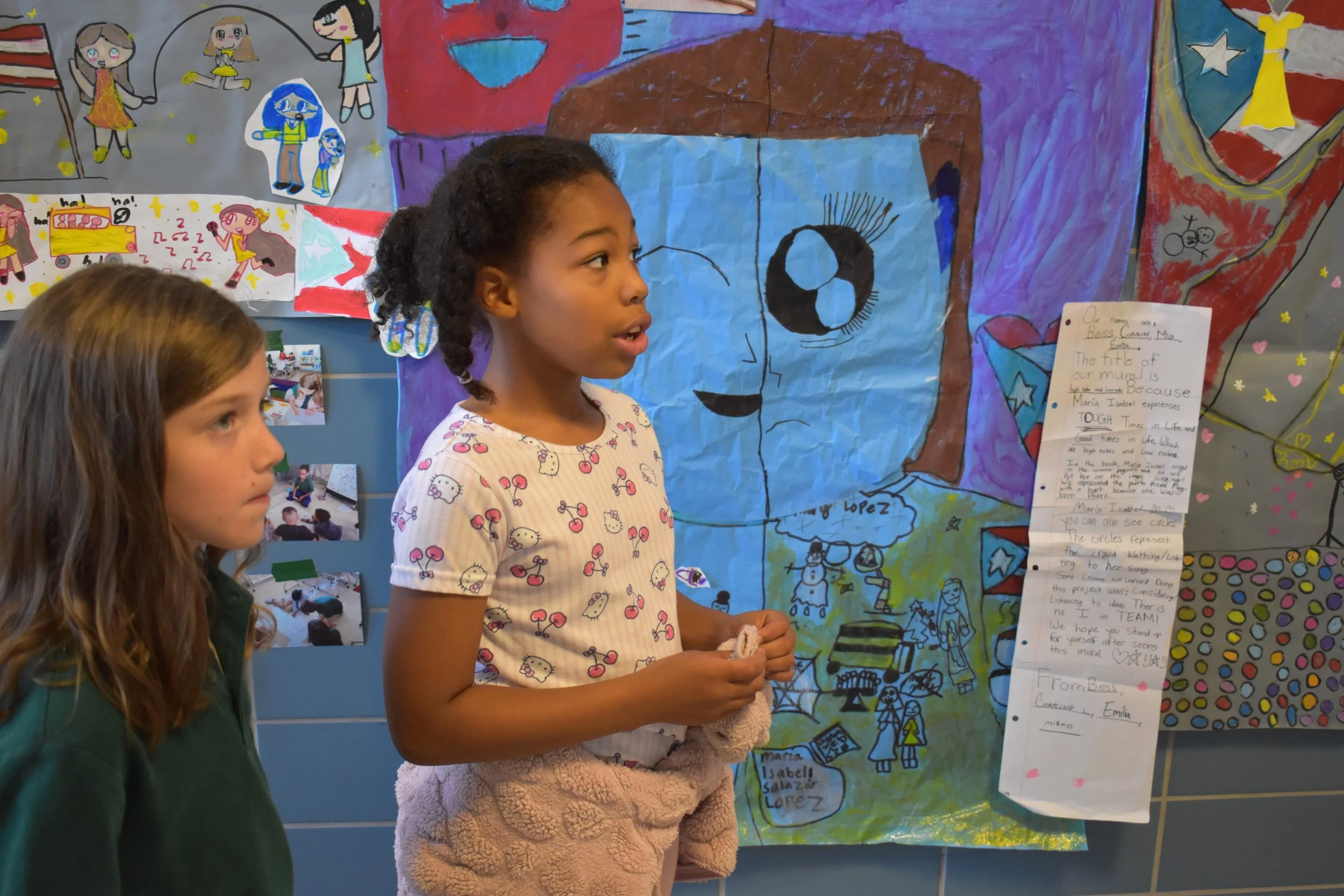
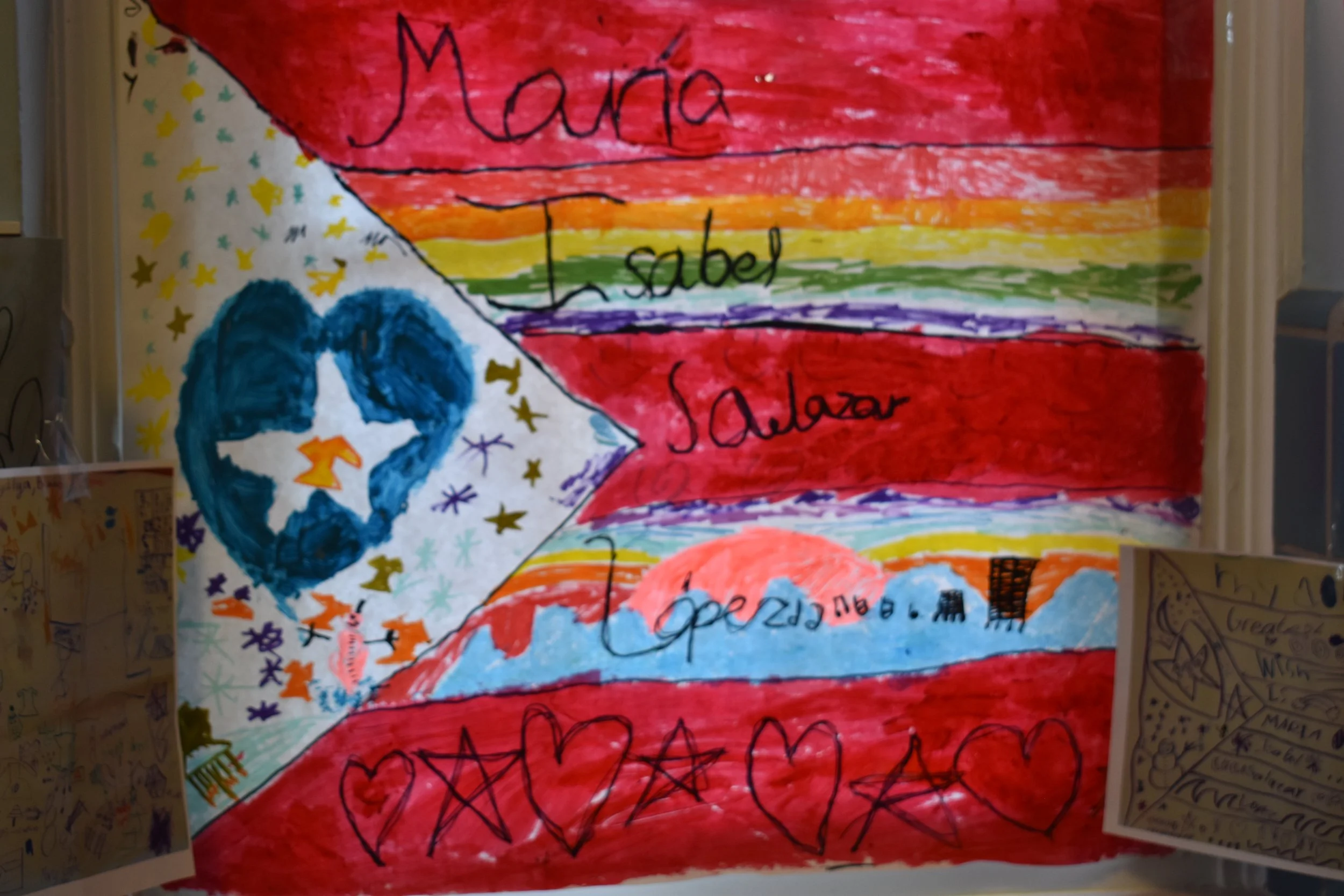
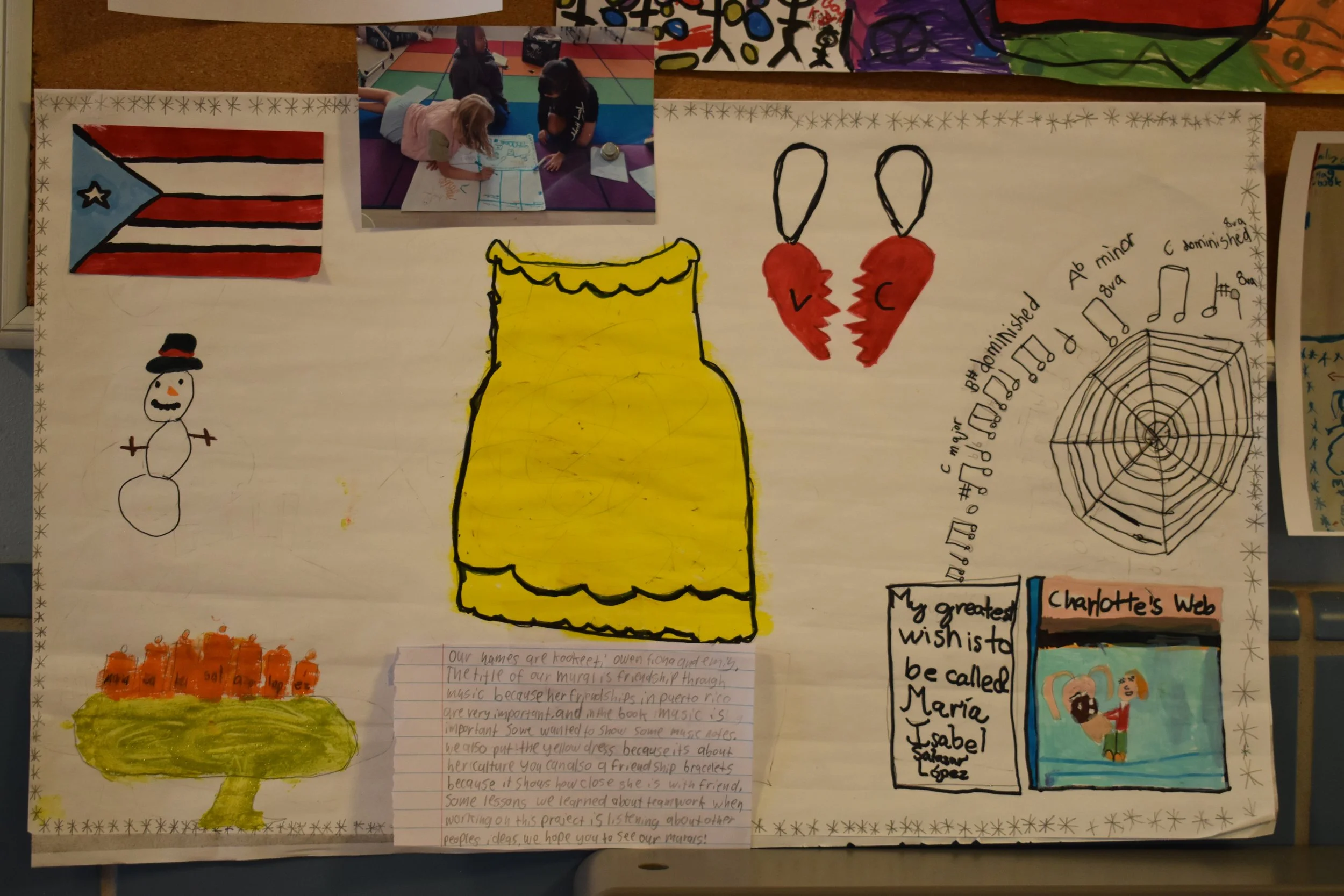
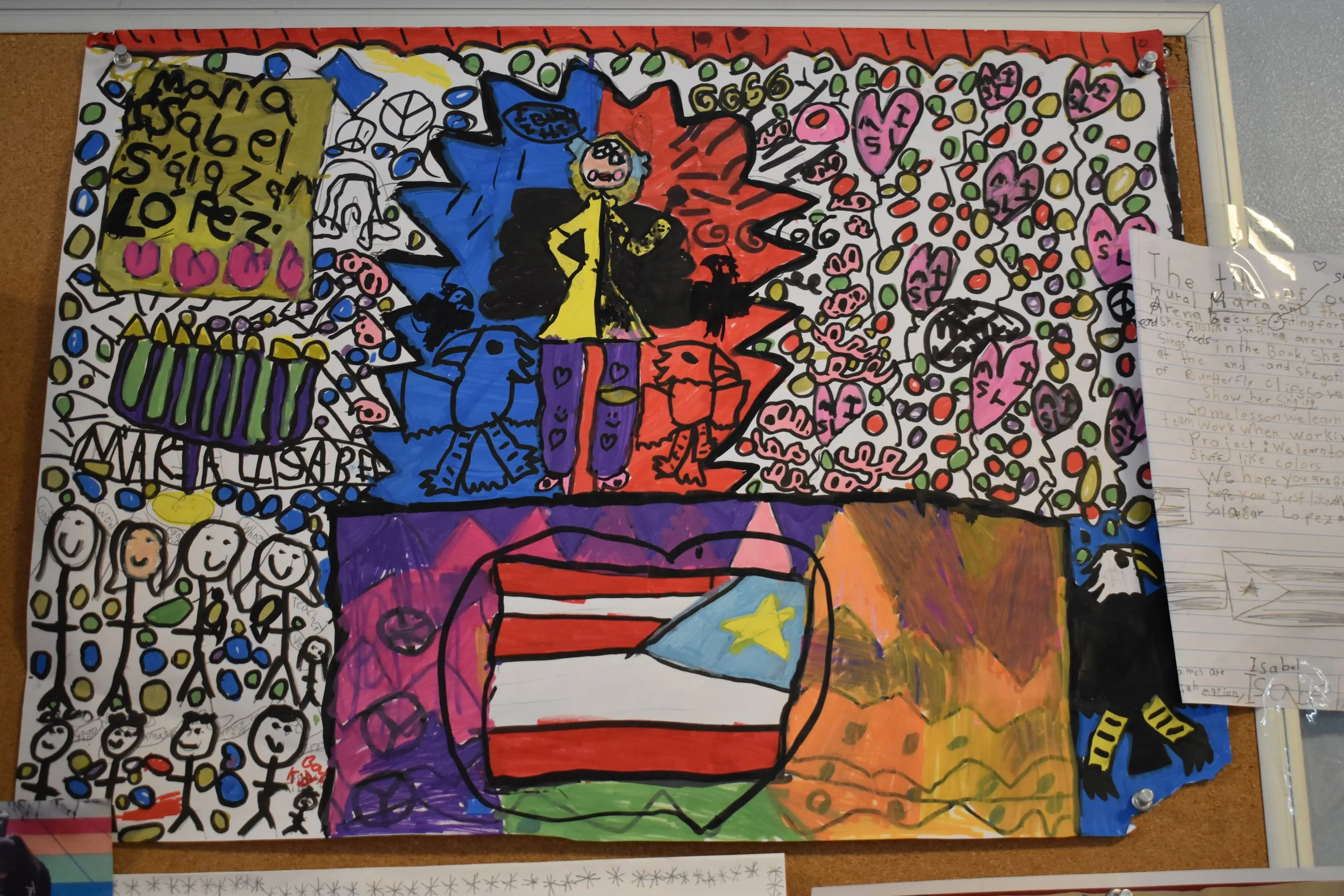
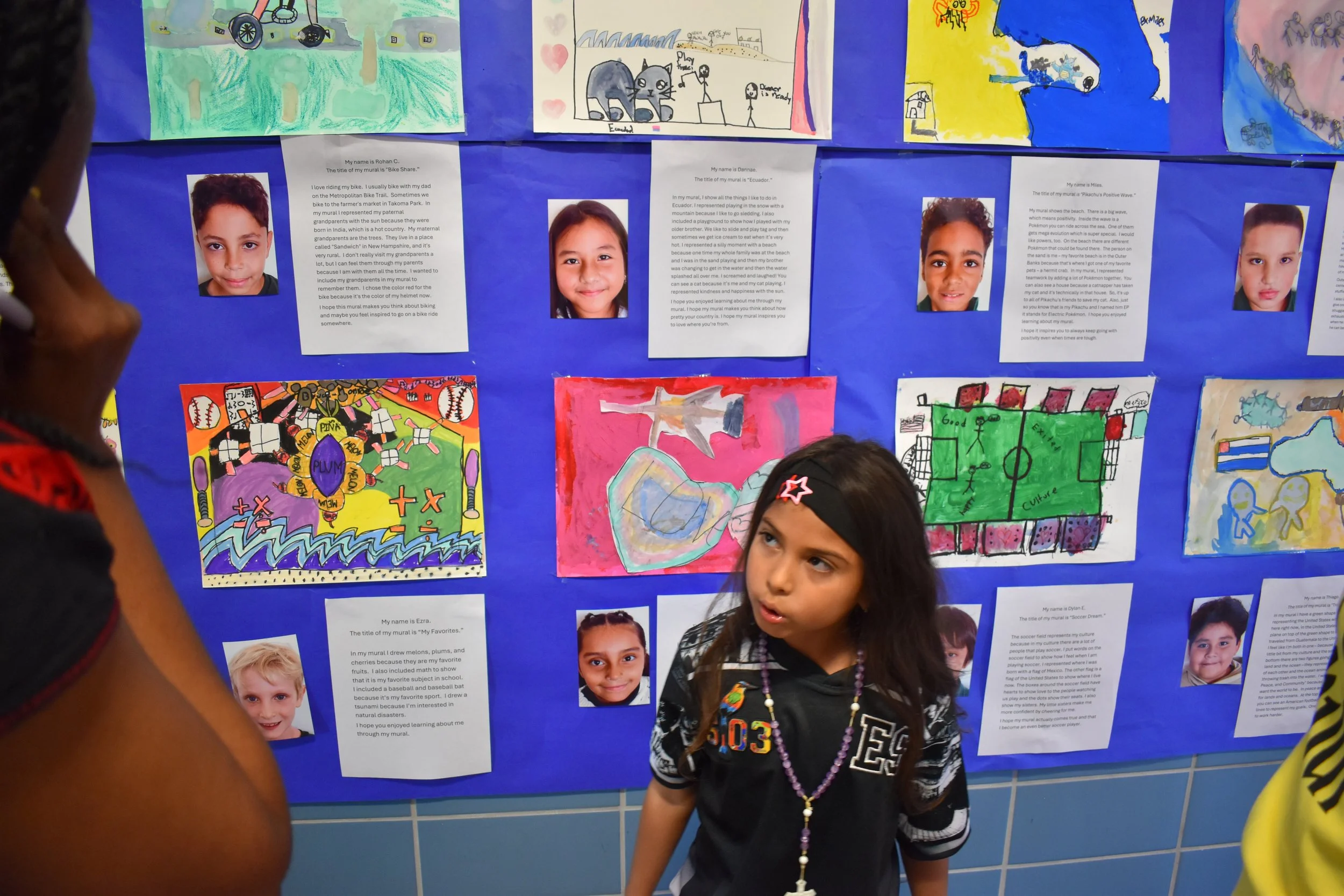
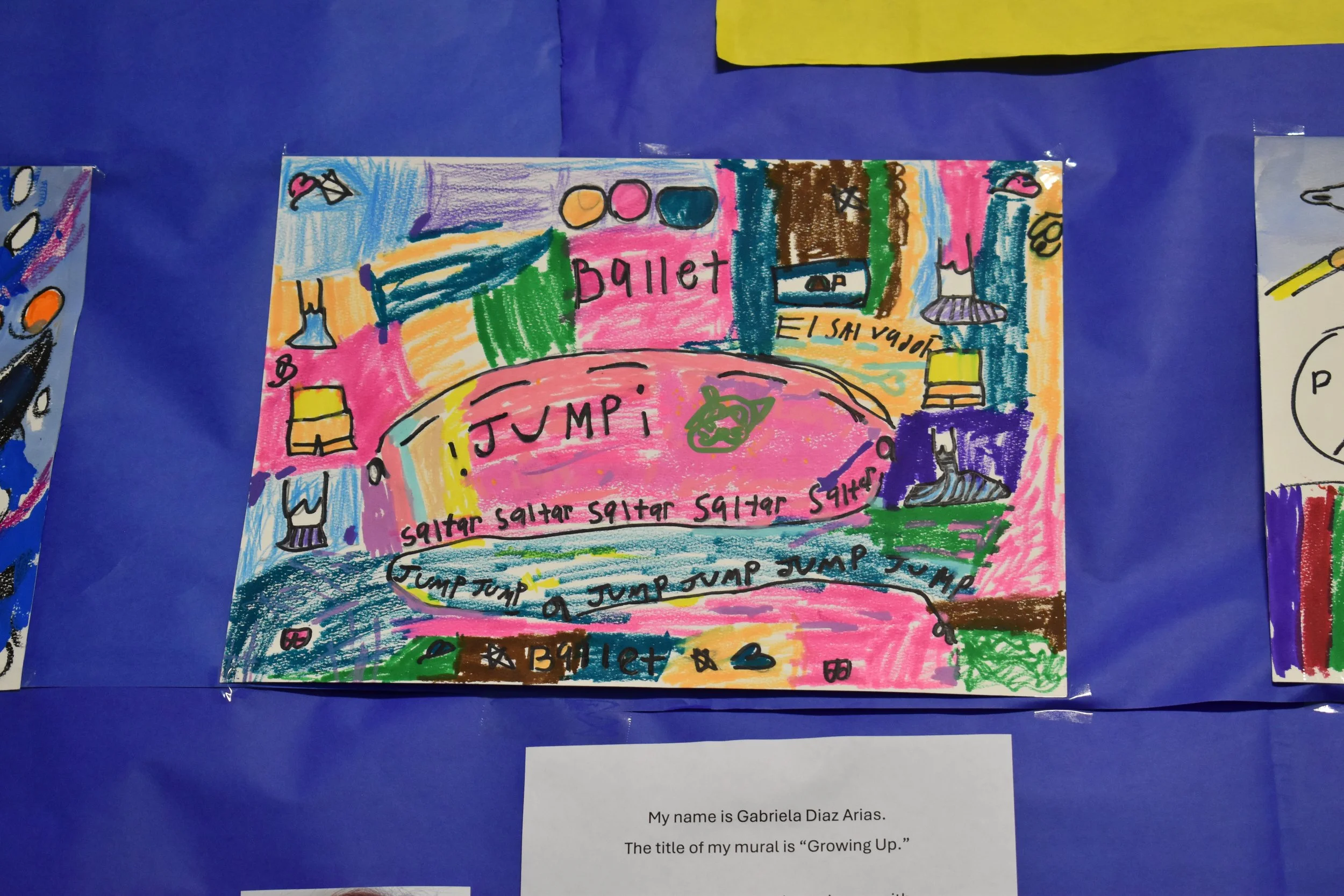
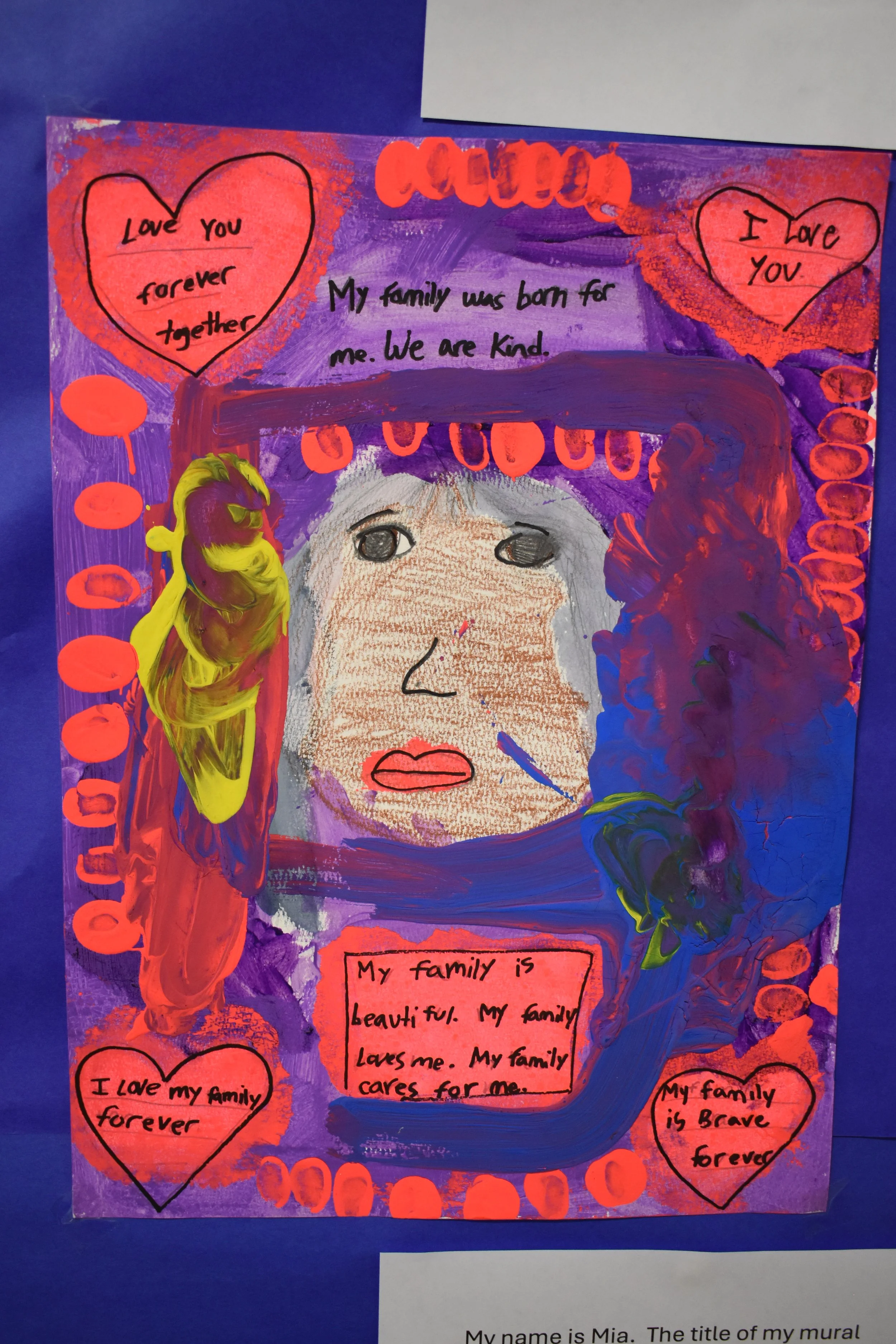
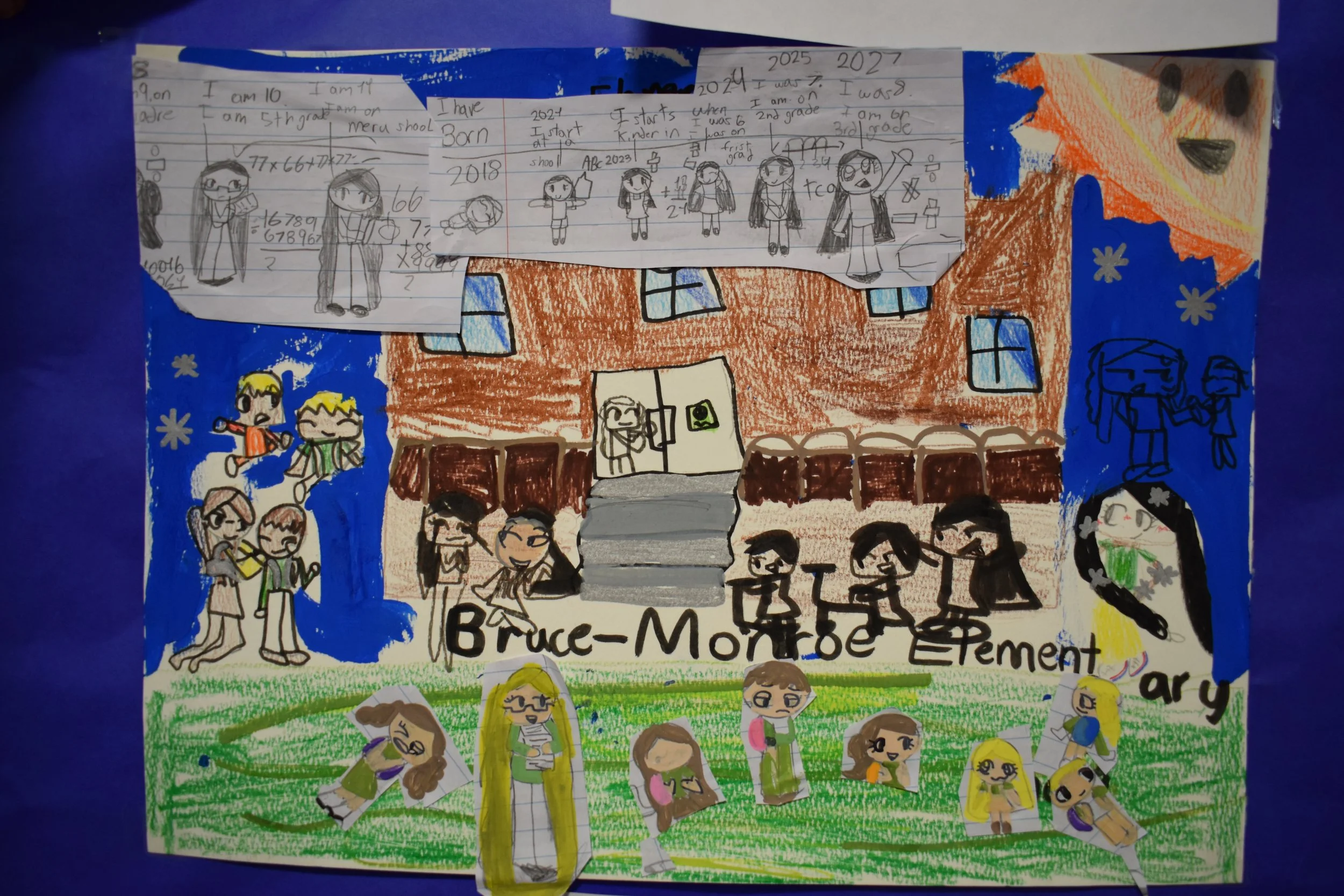
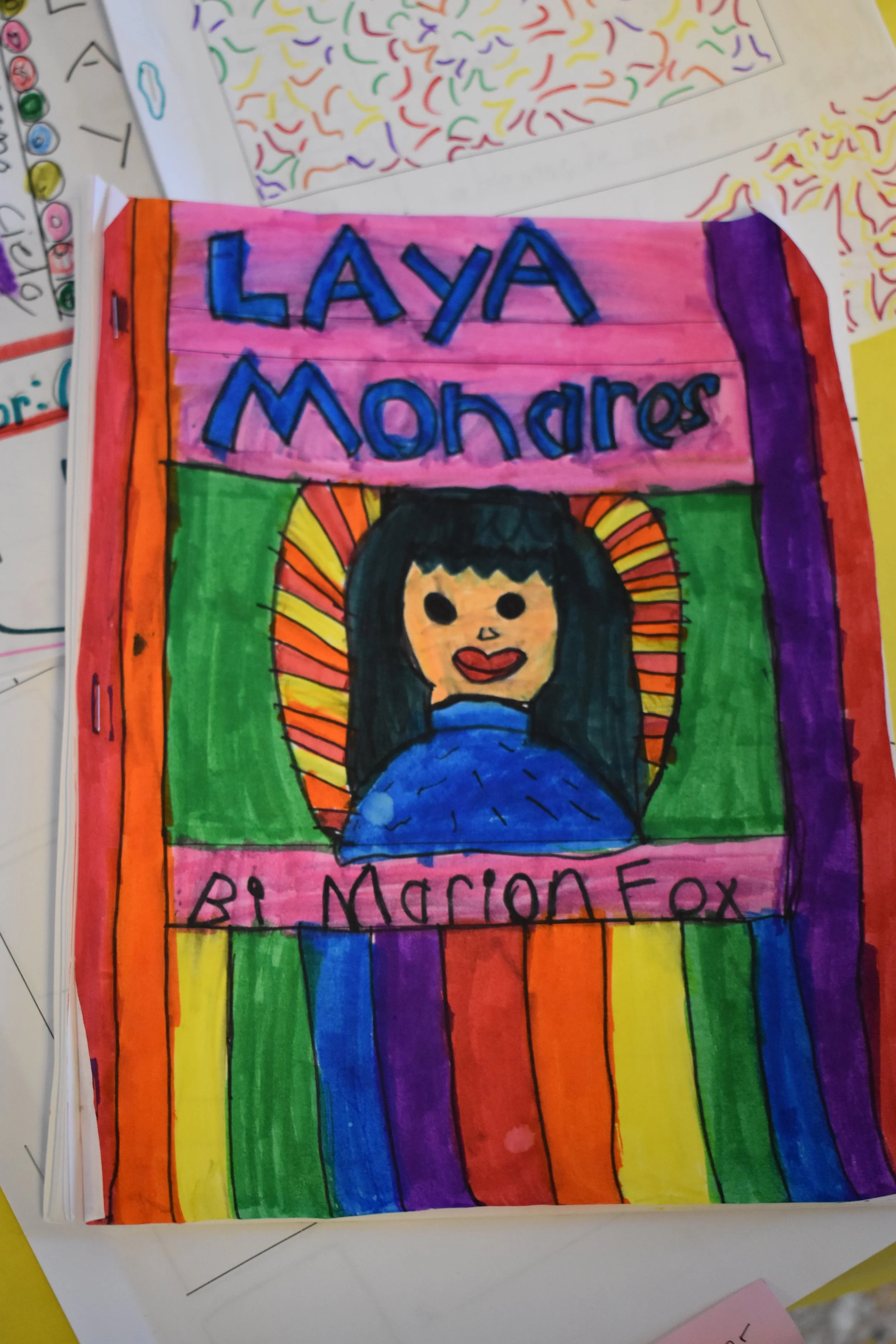
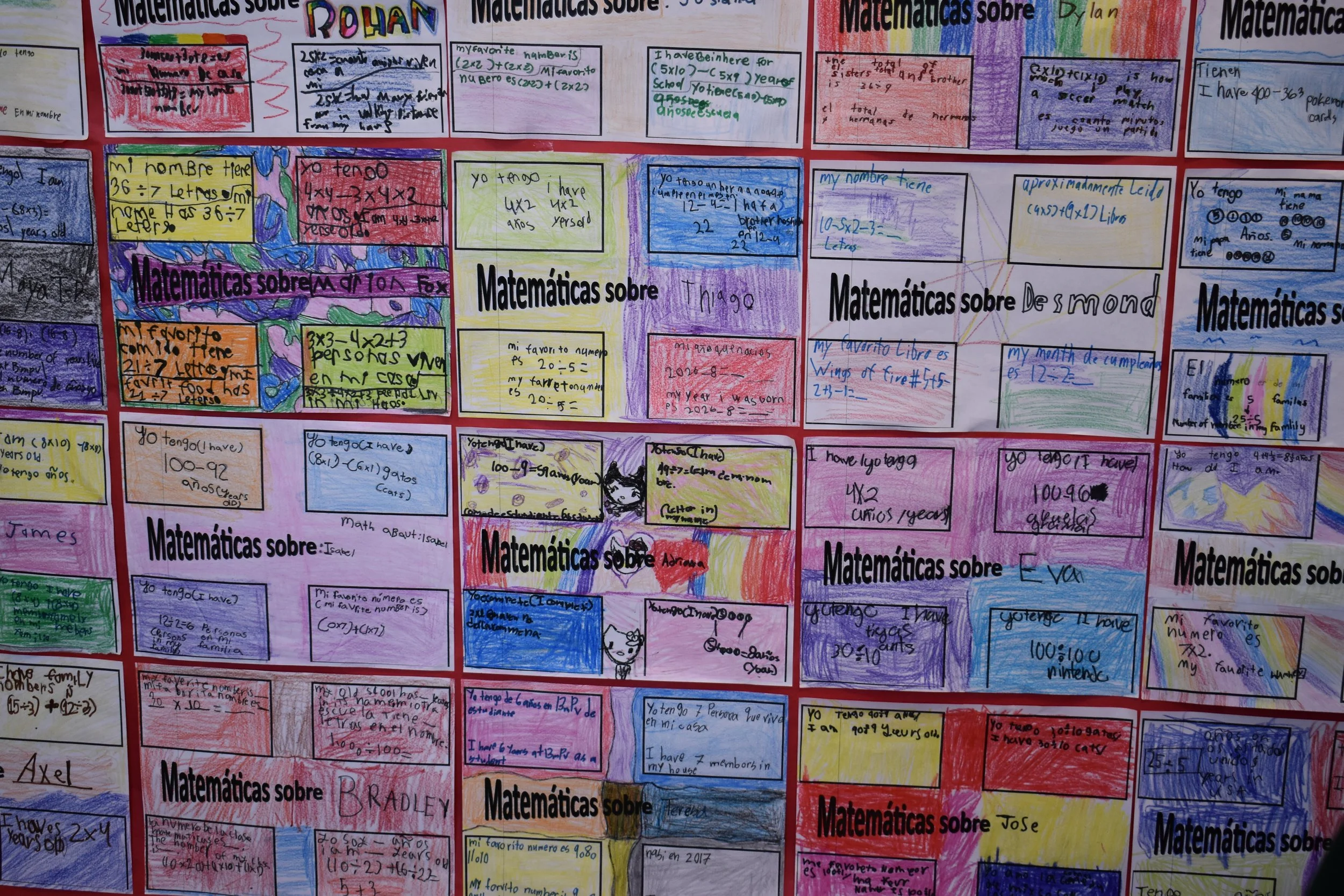
3rd grade students explored the following questions:
How do Latinx artists in Washington DC share their stories, culture, and history through art?
How can we represent our own identities through symbols and images?
Using my writing and oracy skills, how can I explain the importance of the symbols and images in my personal mural?
Art is Resistance.
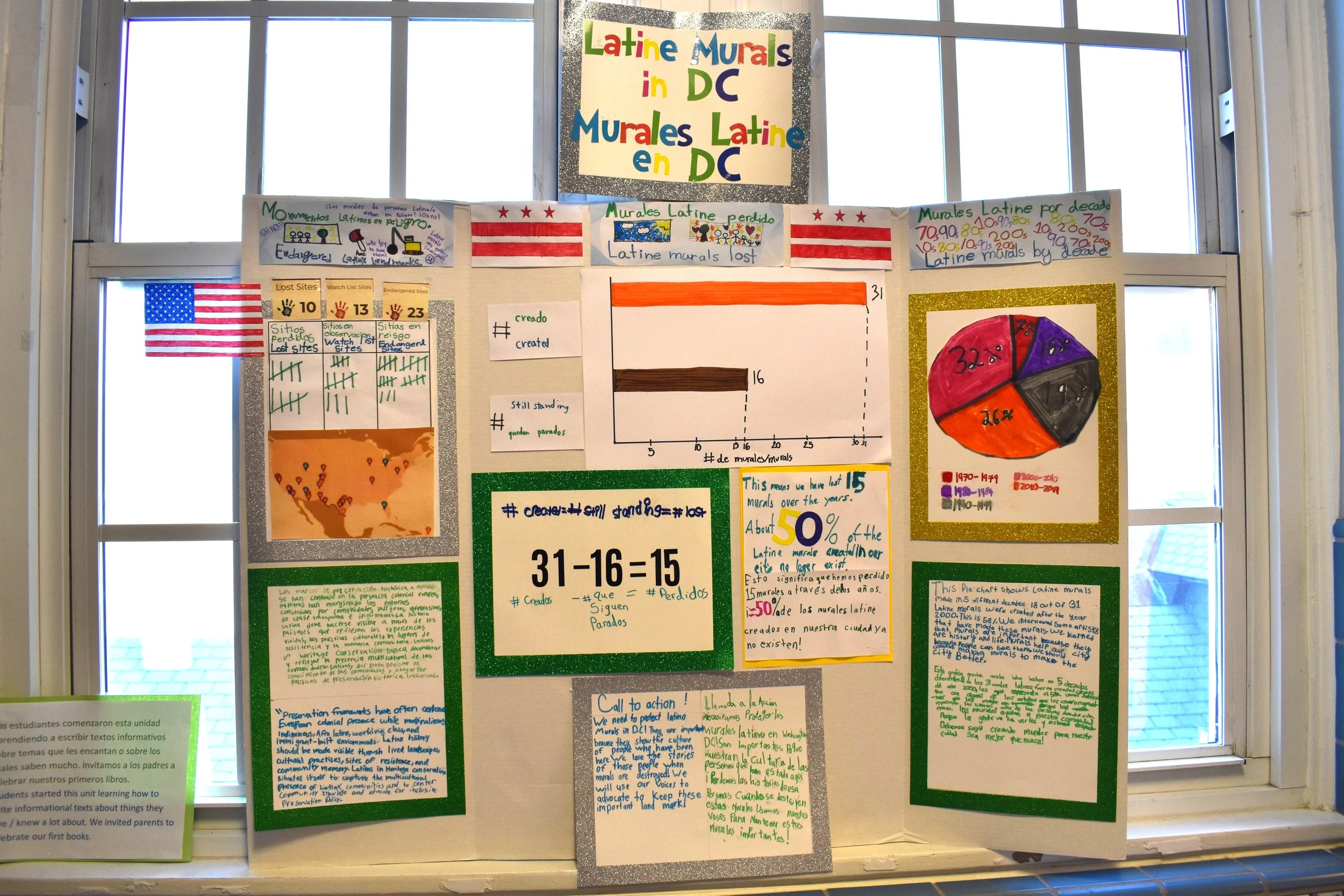
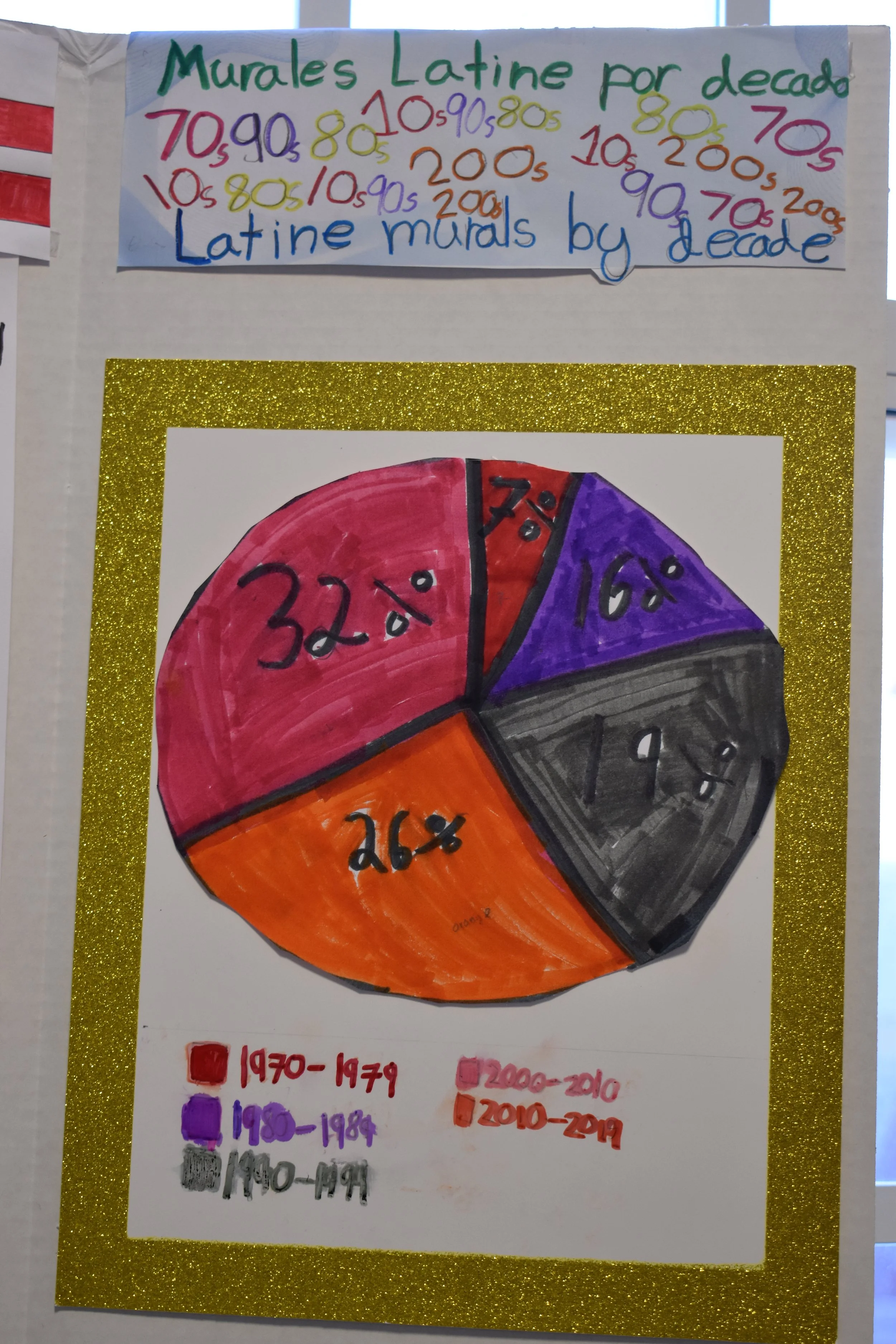
Students explored the work of Latinx muralists and their contributions to public art and the cultural history of Washington, DC. They discovered how murals can express identity, celebrate culture, tell stories, and communicate messages of resistance and justice. Inspired by these artists, students created their own murals reflecting their identities, cultures, experiences, and values, using art as a form of self-expression and connection to their community.
Fourth Grade
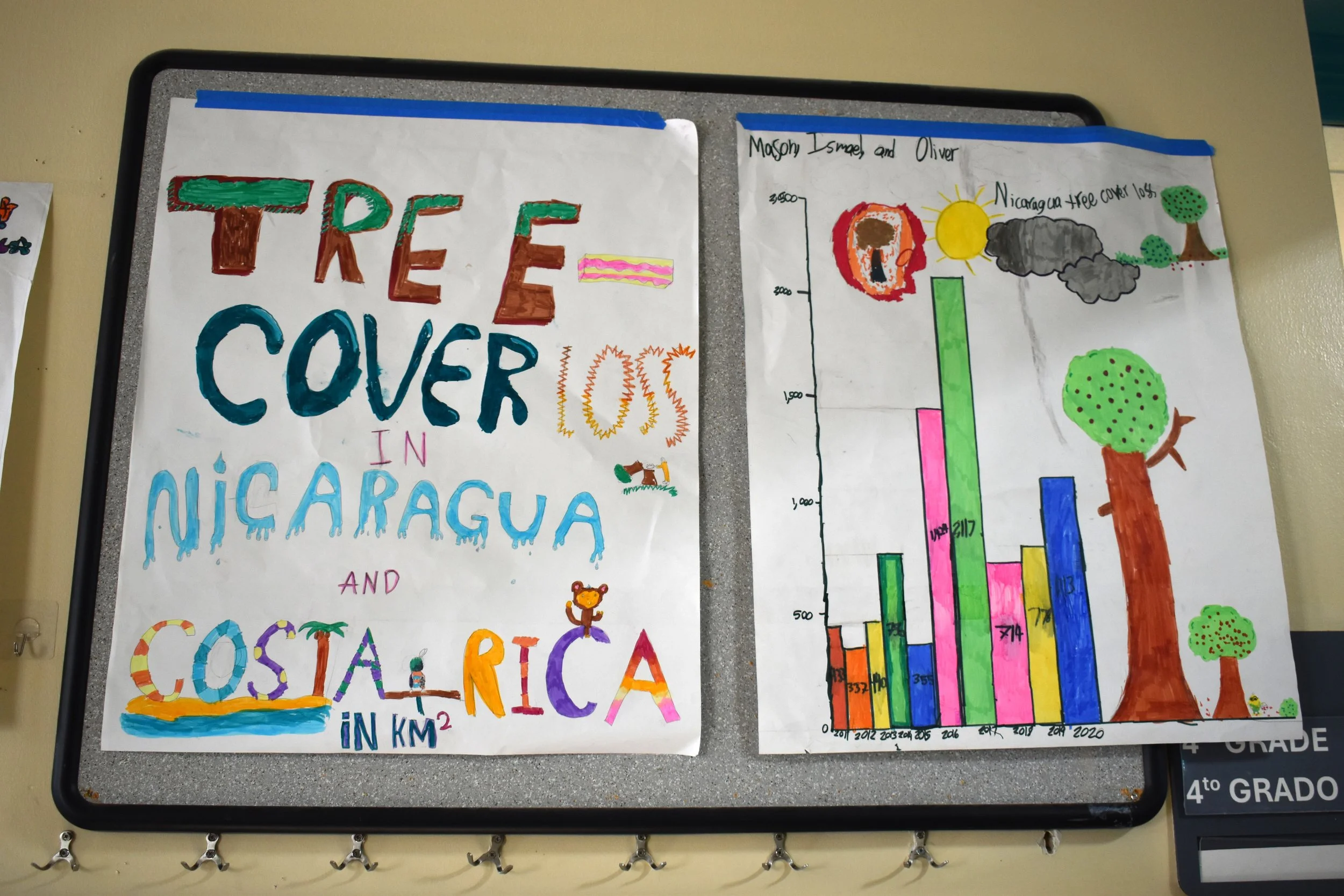
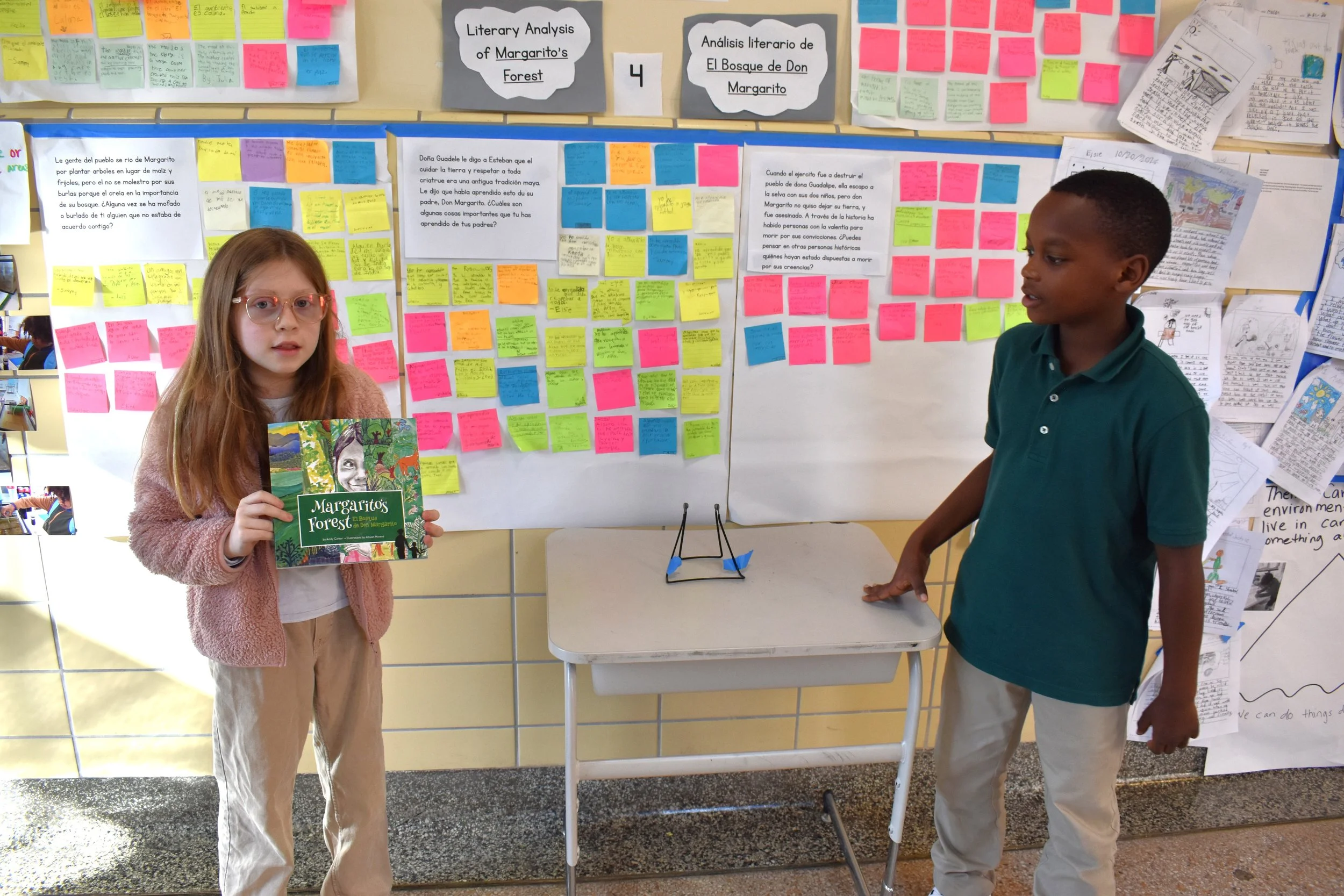
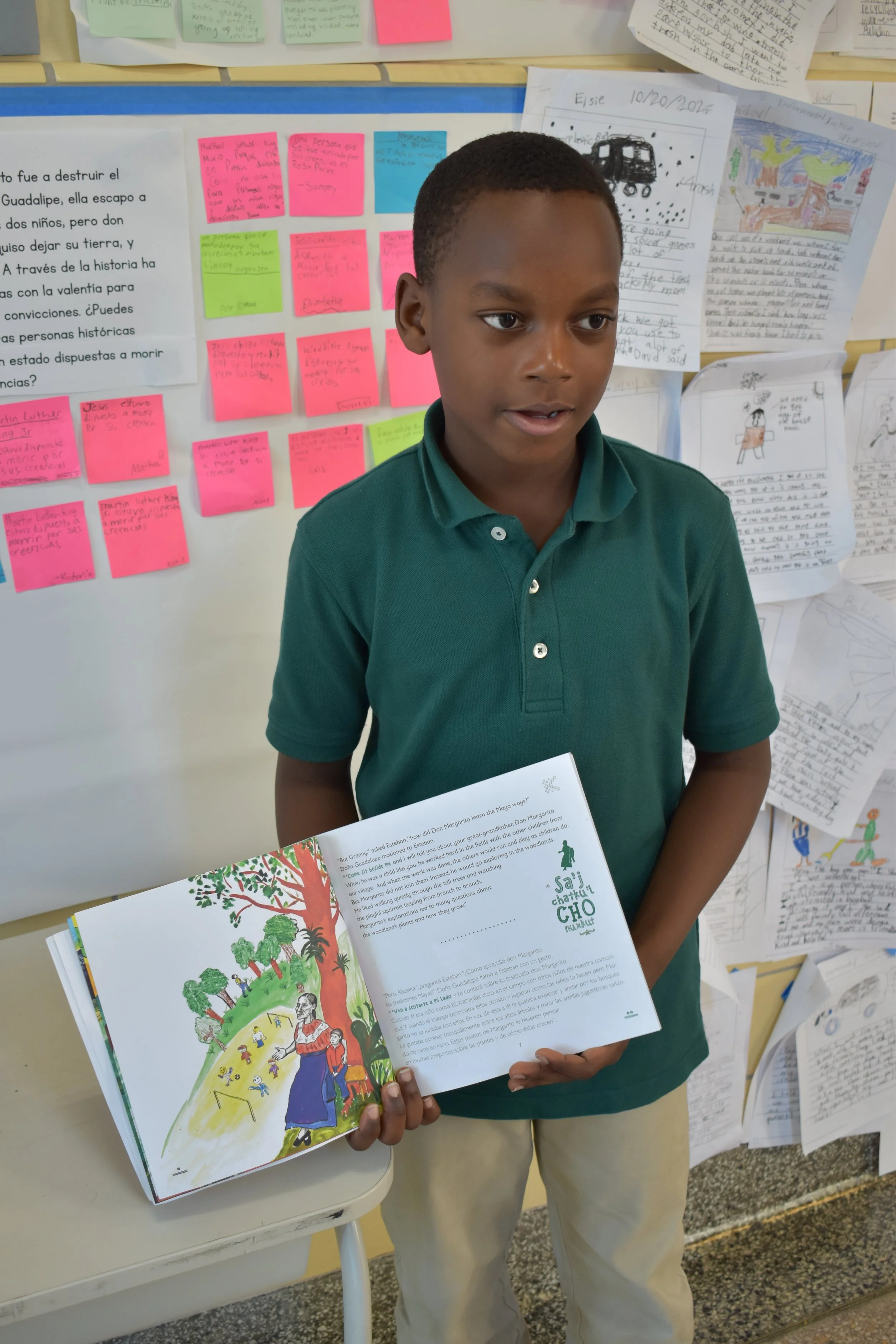
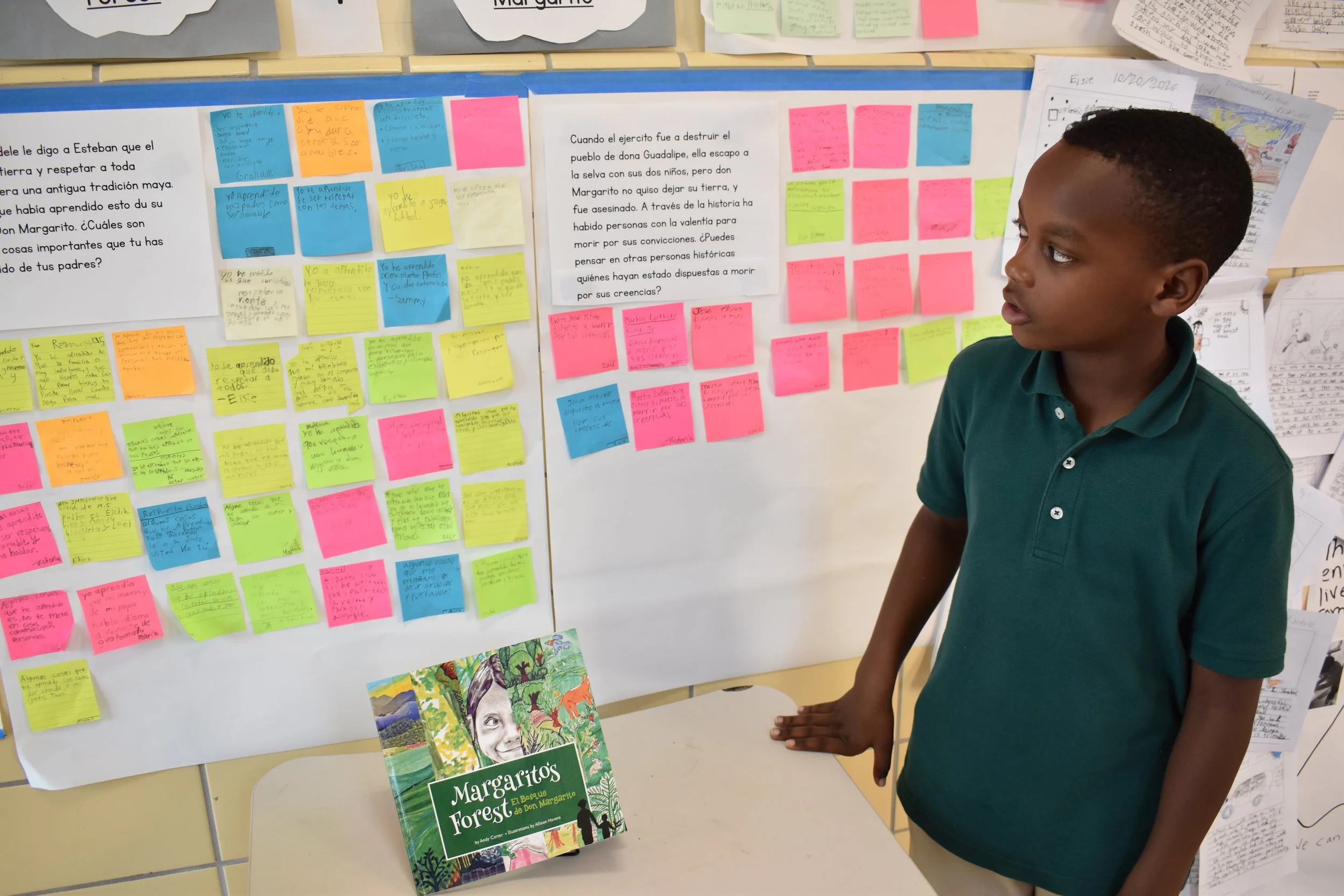
We grappled with these questions:
How does our connection to land/place, specifically Central America, affect our personal identities?
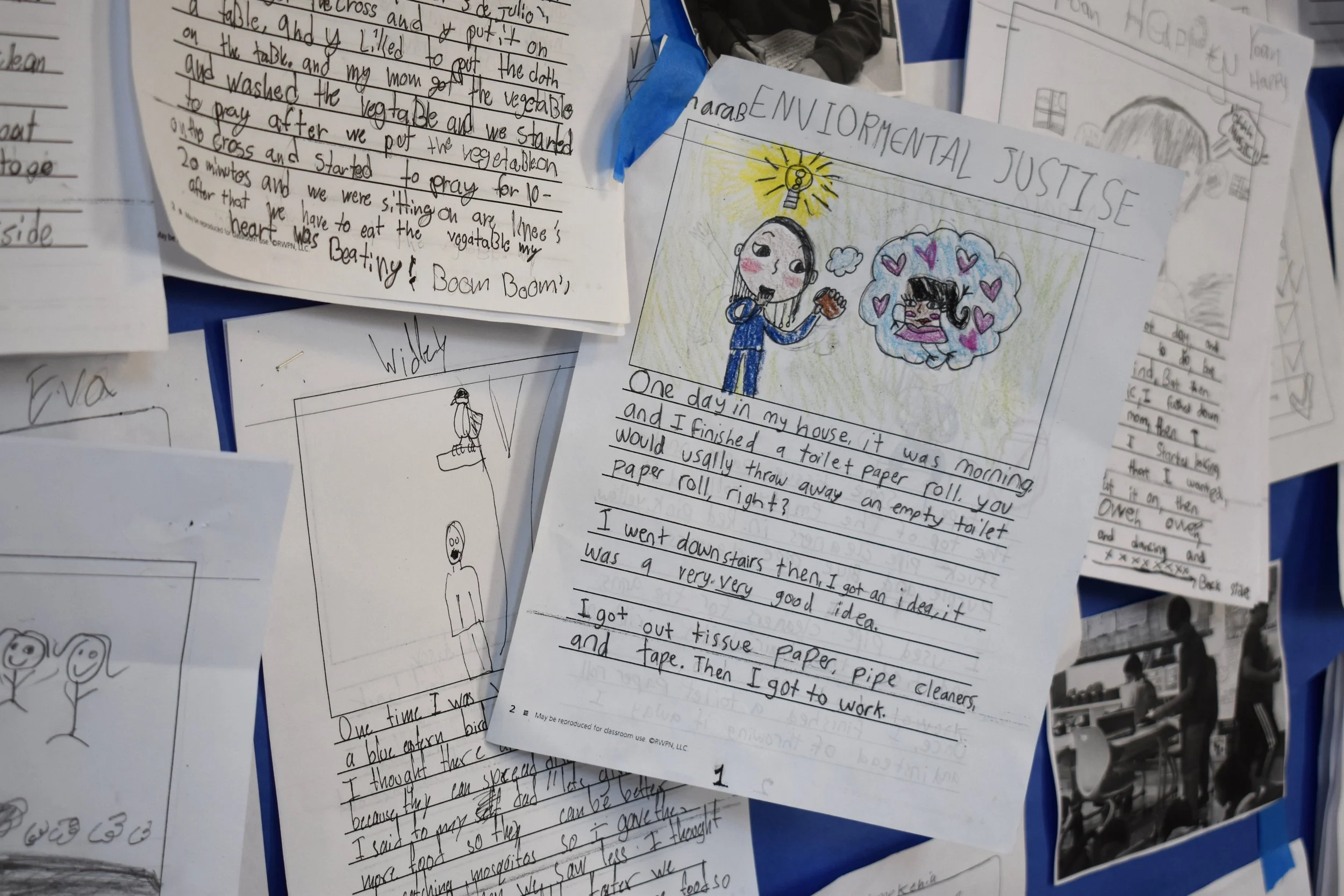
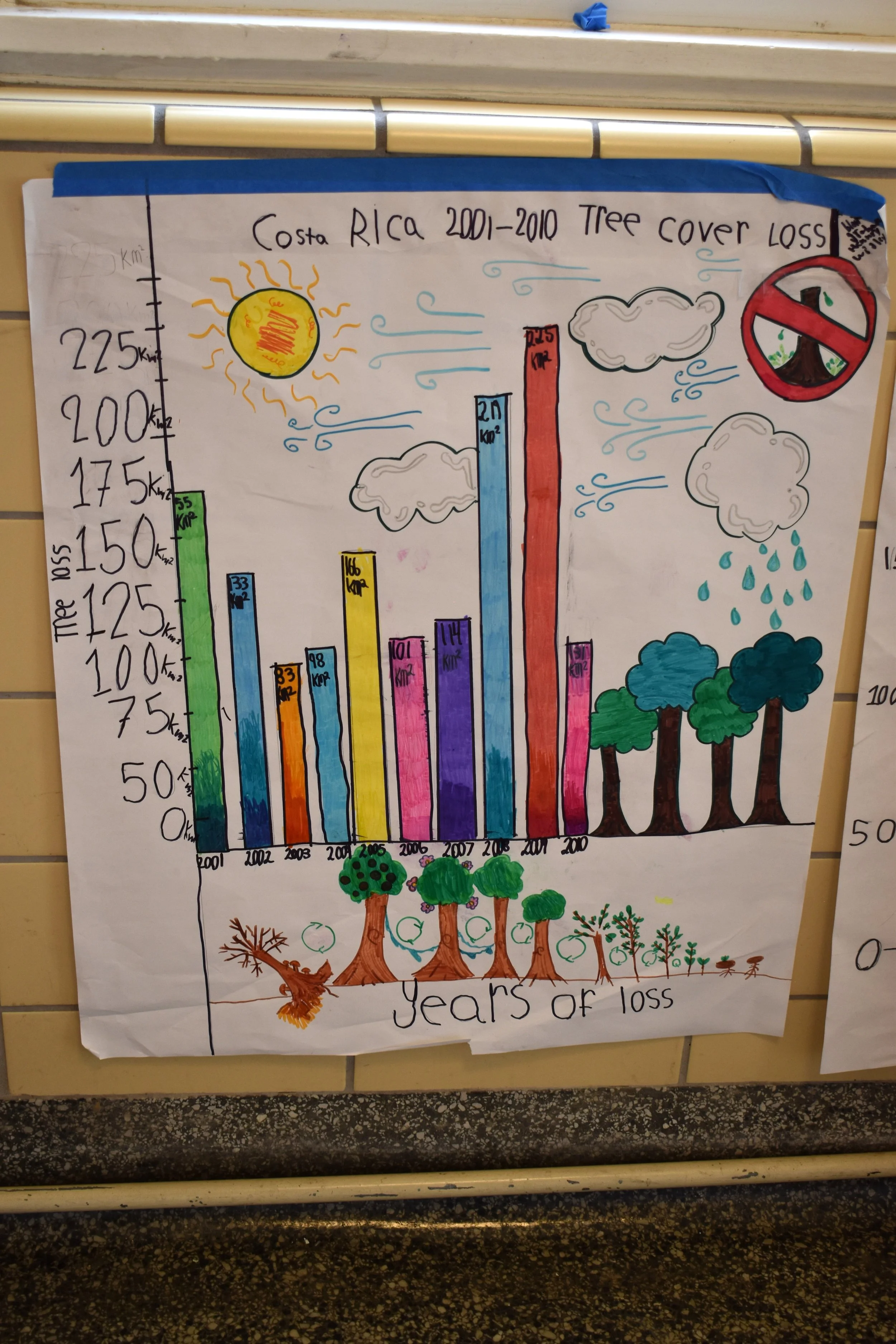
How does that work we are doing with mussels connect us to the land we live on? How is this related to Margarito and the forest? The Mayan and their ideas around regenerative agriculture? Racial and environmental justice? Deforestation rates in Central America and Costa Rica's success in reversing the trend?
Students explored the connections between land, culture, and identity through the lenses of environmental and Indigenous justice. Across subjects, they examined how our relationships with the natural world shape who we are, connect us to our communities, and inspire us to care for the environment.
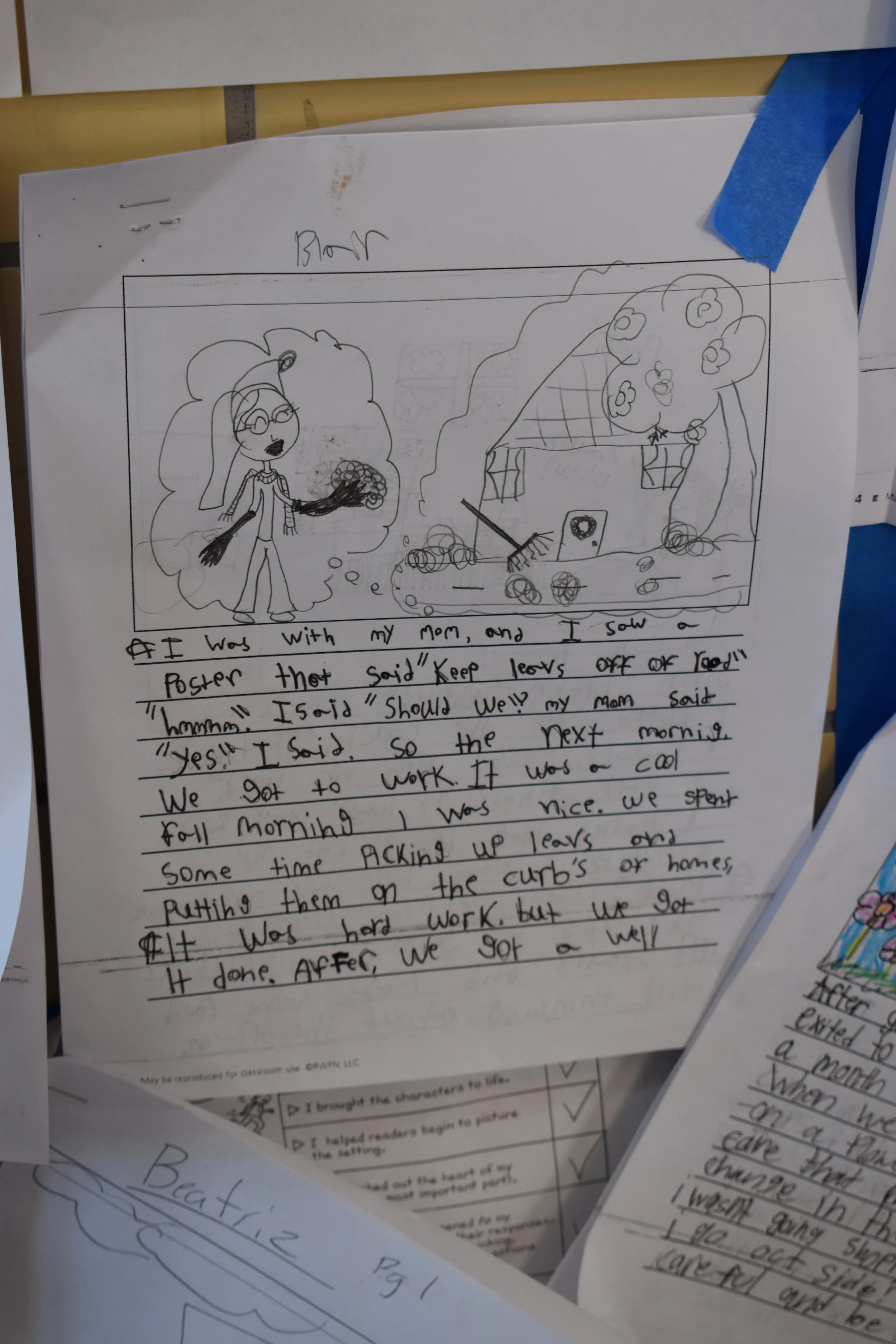
In Spanish Language Arts, students read and analyzed Margarito's Forest, exploring the connections between Indigenous knowledge, cultural traditions, and protecting the land. In English Language Arts, students wrote personal narratives inspired by two central ideas: caring for the environment can teach us about ourselves, and cultural traditions connect us to our communities, even when migration separates us from our places of origin. In Mathematics, students analyzed data to identify and understand patterns of deforestation in Central America, exploring how mathematics can help us recognize environmental changes and their impact on communities.
In Global Citizens, students explored traditional ecological knowledge in Central America, learning how Indigenous communities have developed and passed down ways of understanding and caring for the natural world. In Music, students learned a song inspired by Margarito's Forest, reflecting on what it means to become "Keepers of the Forest" and take responsibility for protecting the natural world. In Science, students investigated the important role mussels play in keeping the Anacostia River clean and healthy. Through studying and caring for mussels, they became stewards of the Anacostia, connecting their classroom learning to environmental action in their own community.
Together, these experiences helped students understand that caring for the land is also a way of honoring our identities, preserving cultural knowledge, and taking collective responsibility for our communities and the world around us.
Fifth Grade
How do we consume Central America, and how is the region connected to our everyday lives?
¿Cómo consumimos Centroamérica y cómo está la región conectada con nuestra vida cotidiana?
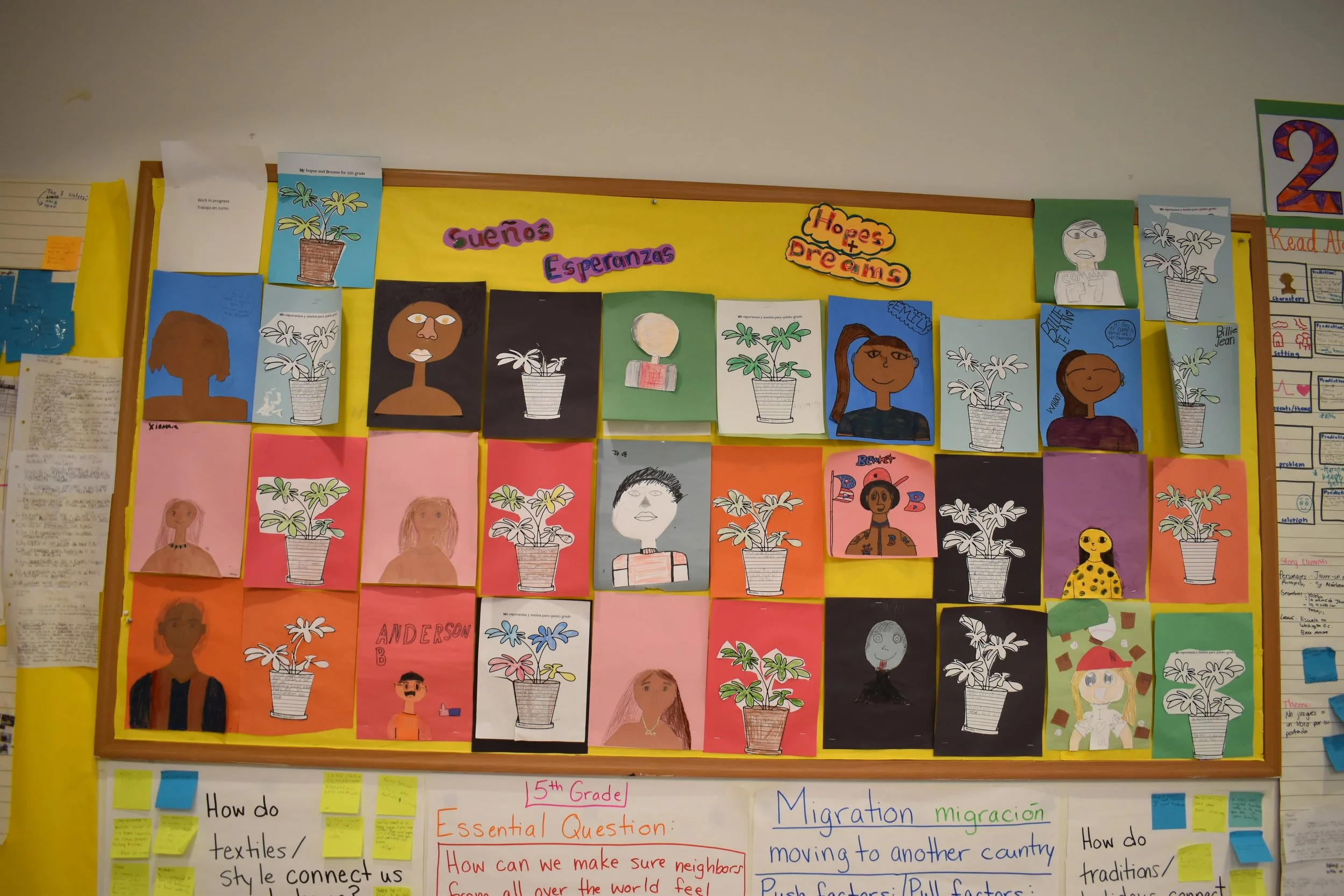
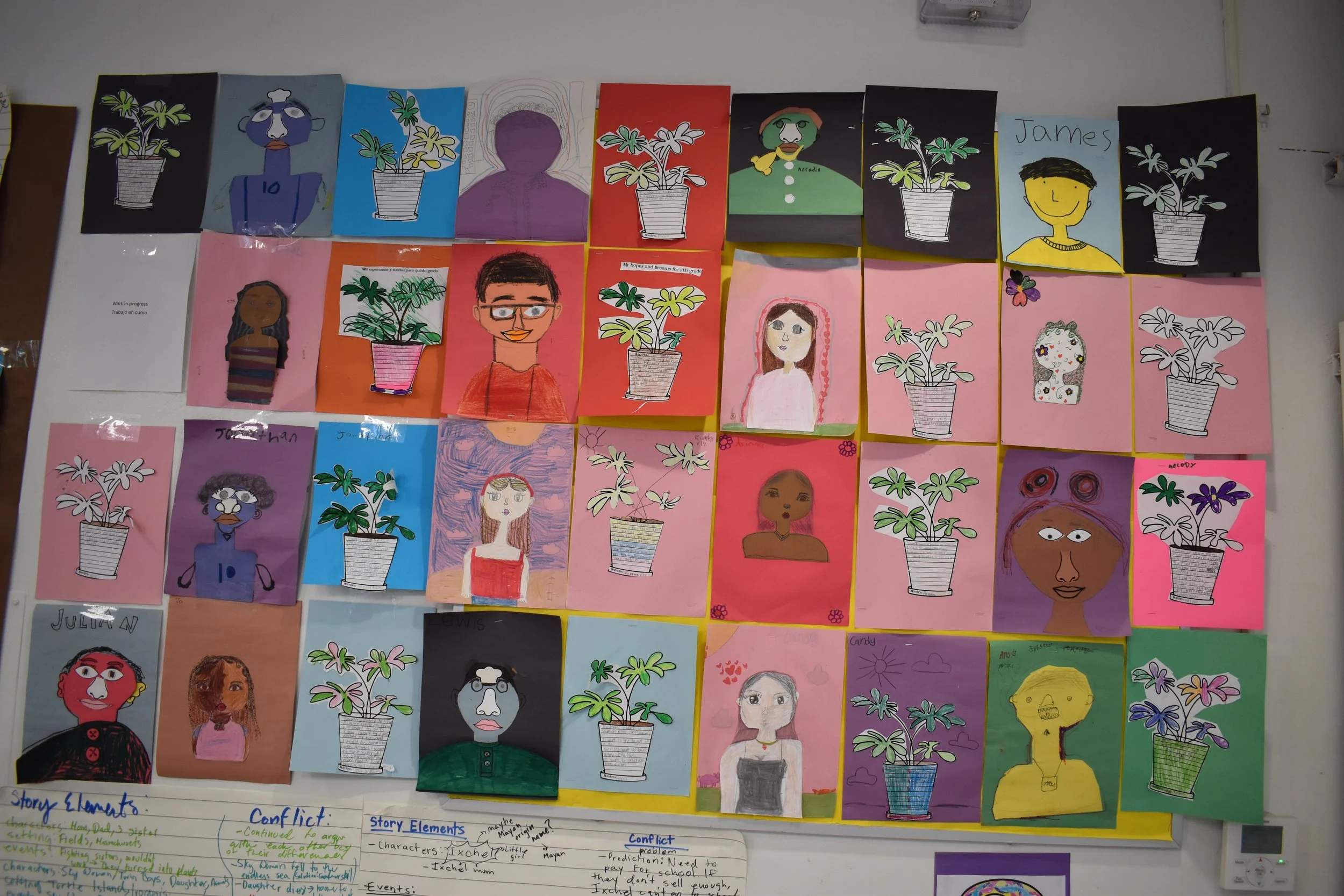
Through the exploration of textiles, food, music, storytelling, and other cultural traditions, students examined the many ways Central America shapes our identities, communities, and everyday lives. They explored how culture is passed down through generations, how traditions connect people across borders, and how Central American cultures continue to influence and enrich our shared experiences.
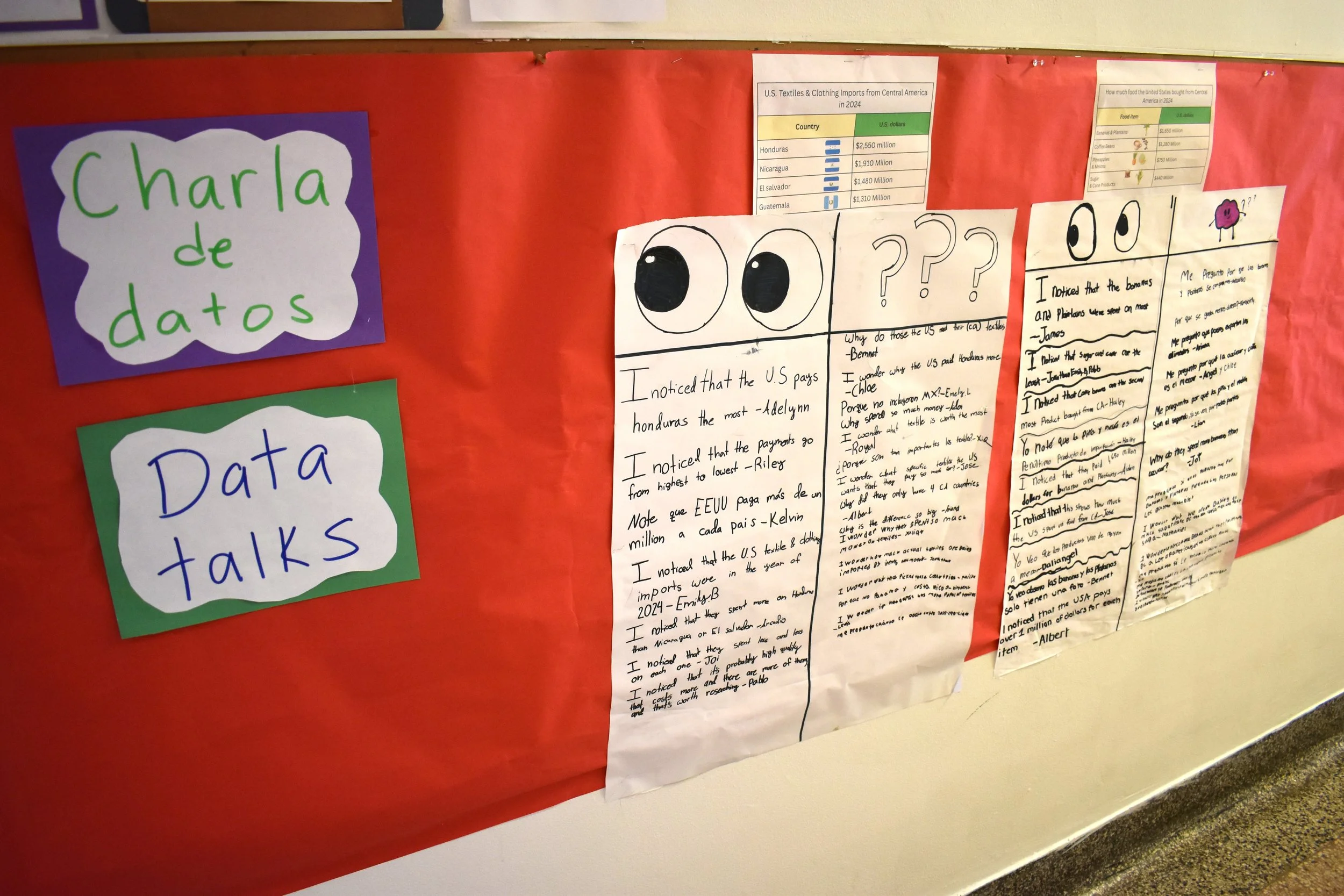
To deepen their understanding, students wrote personal narratives reflecting on their connections to Central America, visited the Mexican Embassy, shared food and traditions during a community potluck, launched a podcast club to amplify stories and perspectives, and began research projects celebrating the region’s diverse culinary traditions. In mathematics, students participated in data talks, analyzing information about U.S. imports of Central American textiles, food, and music to explore cultural and economic connections between the region and the United States.
Together, these experiences encouraged students to recognize that Central America’s influence extends far beyond geography. Through storytelling, research, cultural exchange, and mathematical inquiry, students developed a deeper appreciation for the region’s diverse histories, cultures, and contributions while discovering meaningful connections to their own identities, families, and communities.