
News & Stories[[bpstrwcotob]]
Read the latest news and stories from educators bringing Central America into their classrooms. Many of these stories were collected during Teach Central America Week. Share how you teach about Central America and receive a free book.
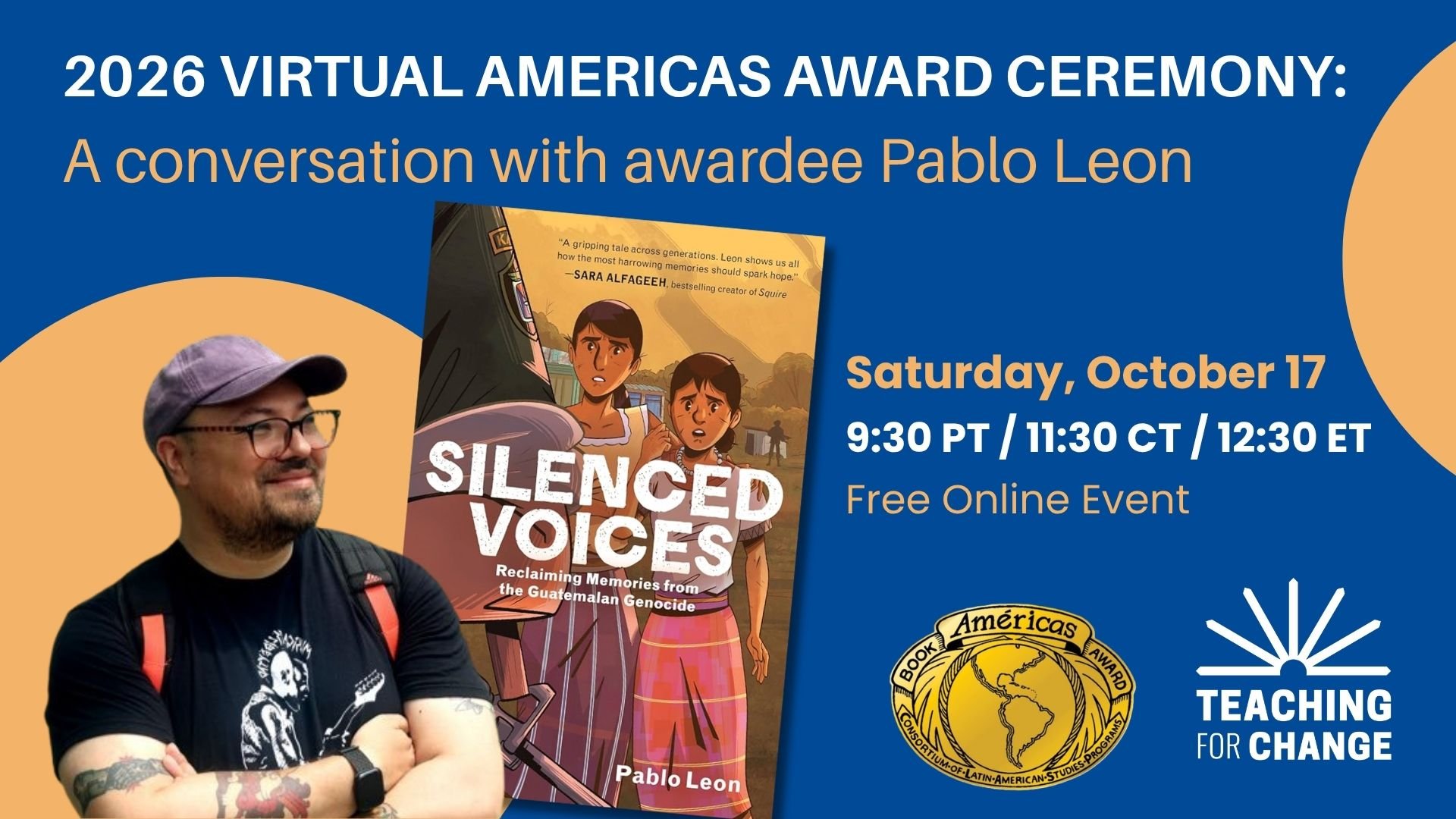
2026 Américas Award Ceremony
Saturday, October 17: Educators, librarians, and book lovers, join this special event where author and artist Pablo Leon will receive the 2026 Américas Award for his YA novel Silenced Voices: Reclaiming Memories from the Guatemalan Genocide.
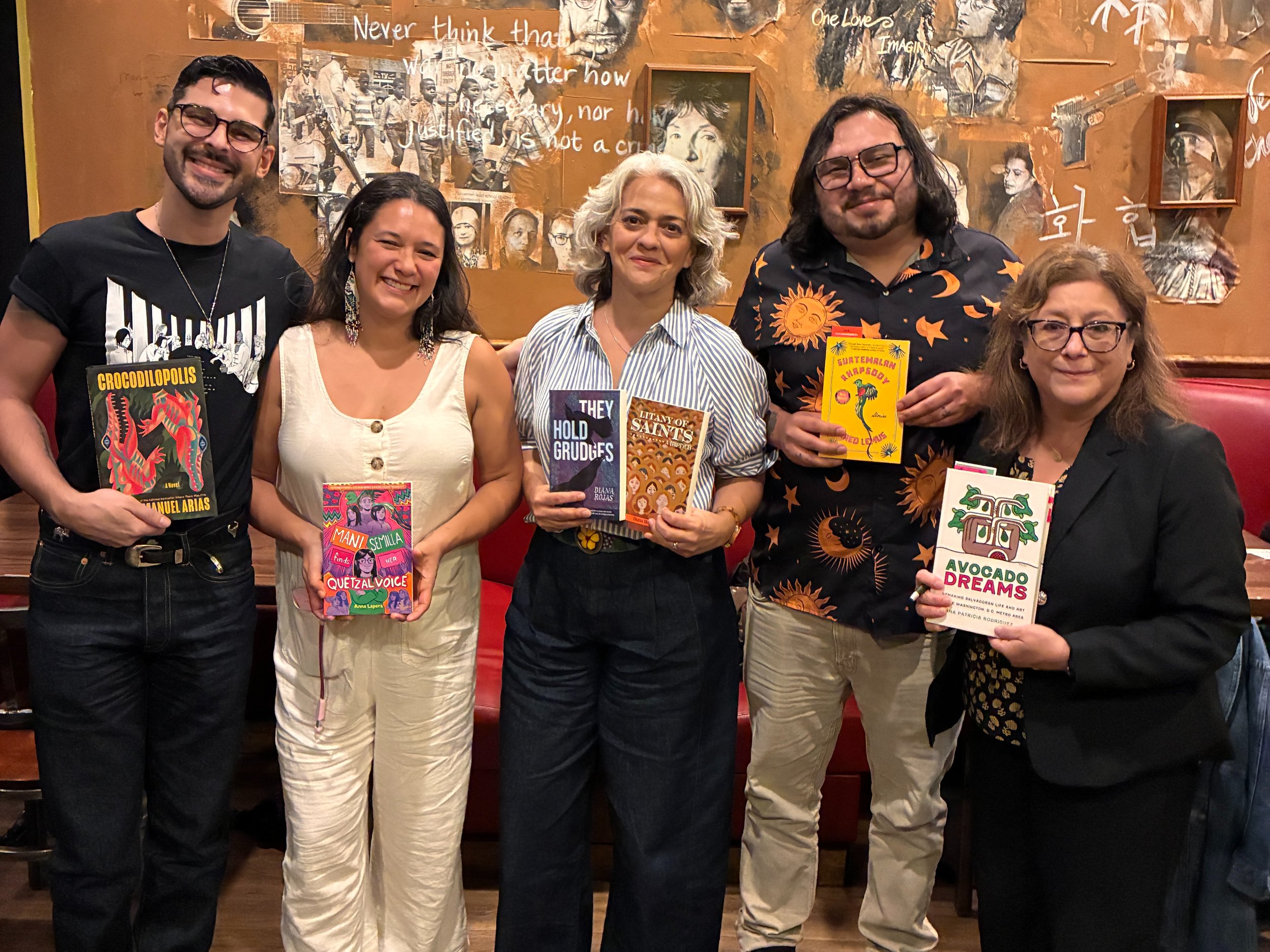
Contemporary Central American Voices
On September 23, 2026, we hosted our third annual conversation with contemporary Central American authors at Busboys and Poets in Washington, D.C., featuring Anna Lapera, John Manuel Arias, Ana Patricia Rodríguez, Diana Rojas, and Jared Lemus.
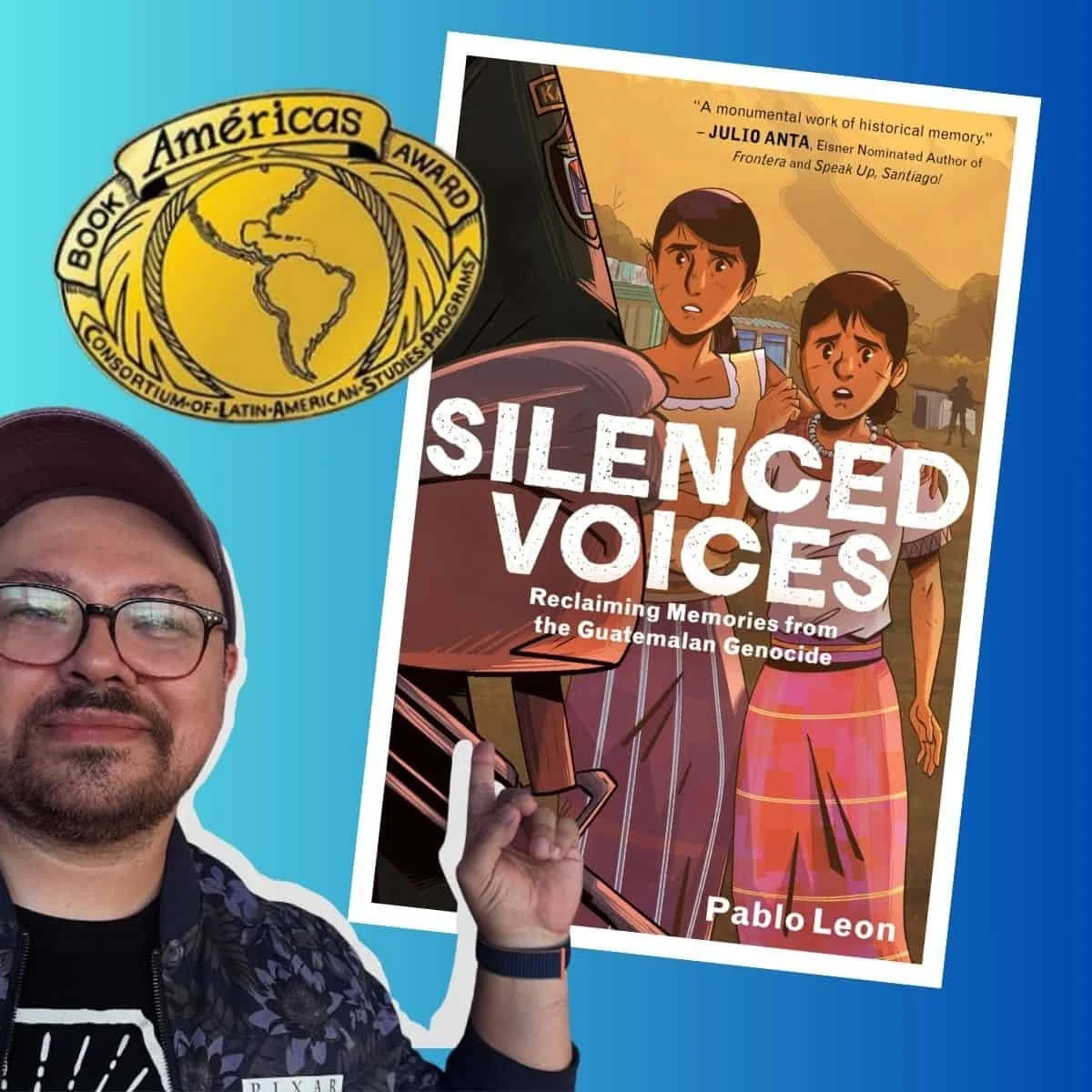
Silenced Voices Wins Americas Award
The 2026 Américas Award committee selected Silenced Voices: Reclaiming Memories from the Guatemalan Genocide by Pablo Leon for their top children’s and young adult book award.
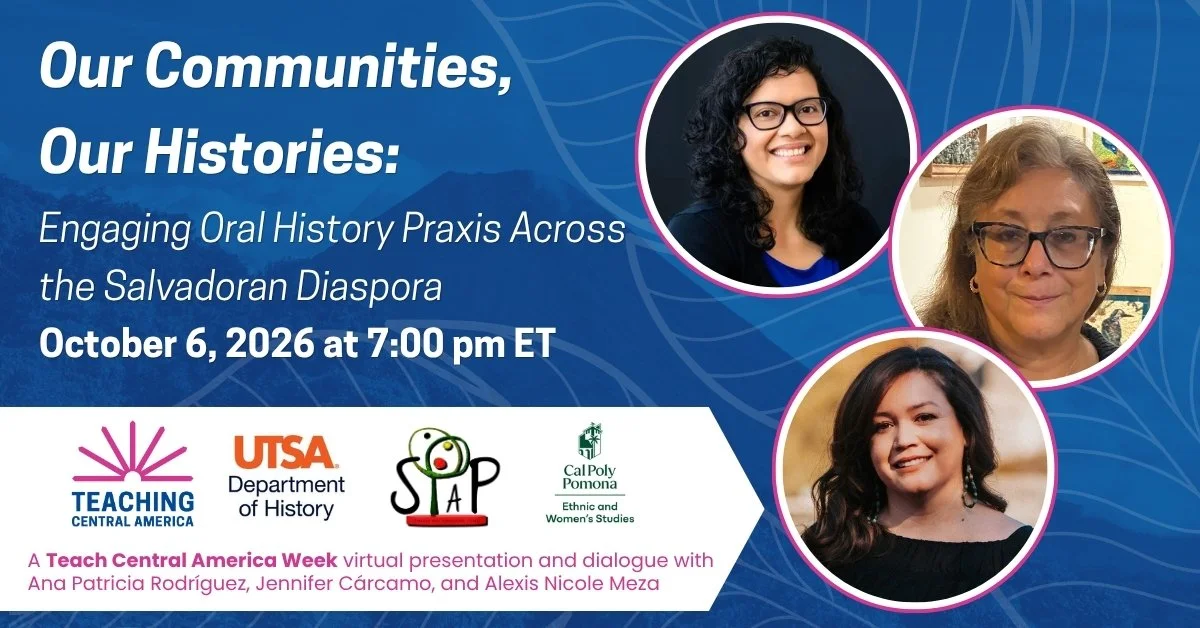
Teach Central America Week Virtual Encuentro
Our Communities, Our Histories: Engaging Oral History Praxis Across the Salvadoran Diaspora will feature Salvadoran scholars discussing the role of oral history in building the emerging field of Central American Studies.
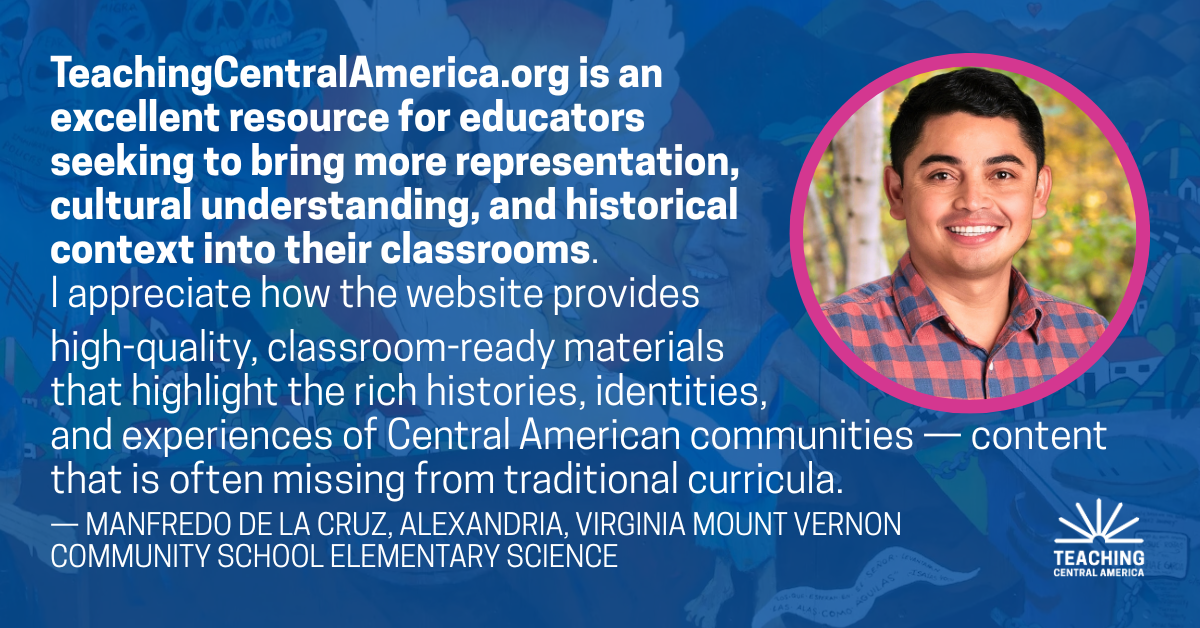
More representation, cultural understanding, and historical context
TeachingCentralAmerica.org is an excellent resource for educators seeking to bring more representation, cultural understanding, and historical context into their classrooms.
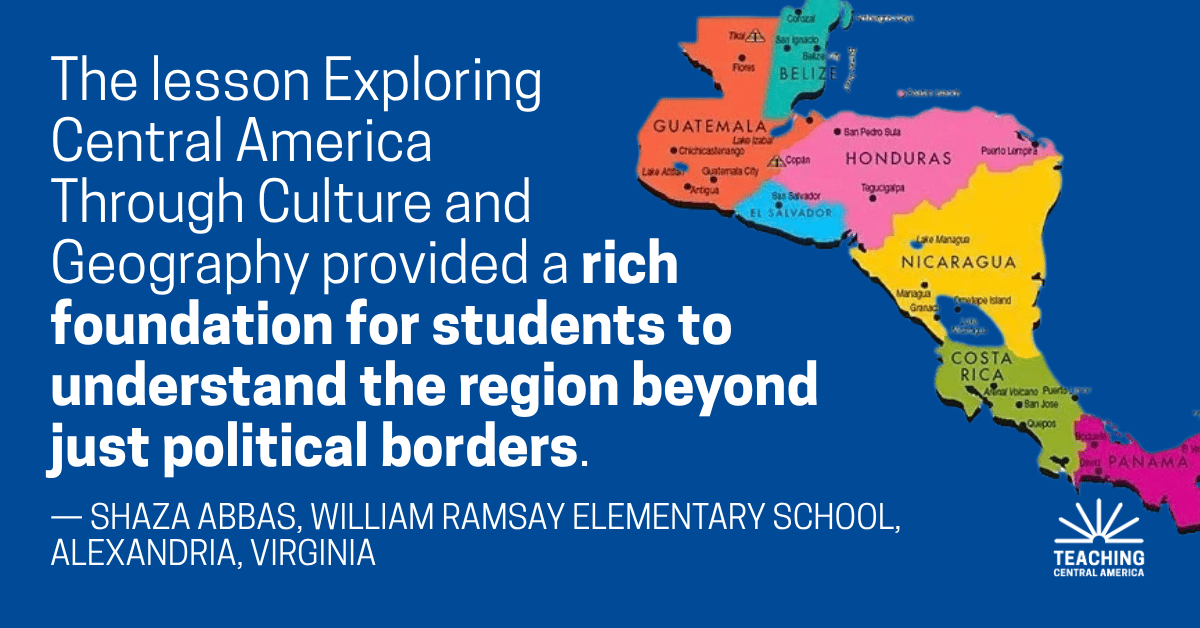
A Rich Foundation to Understand the Region
In my classroom, I introduced a unit on Central America by using the lesson “Exploring Central America Through Culture and Geography” from your site, which provided a rich foundation for students to understand the region beyond just political borders.
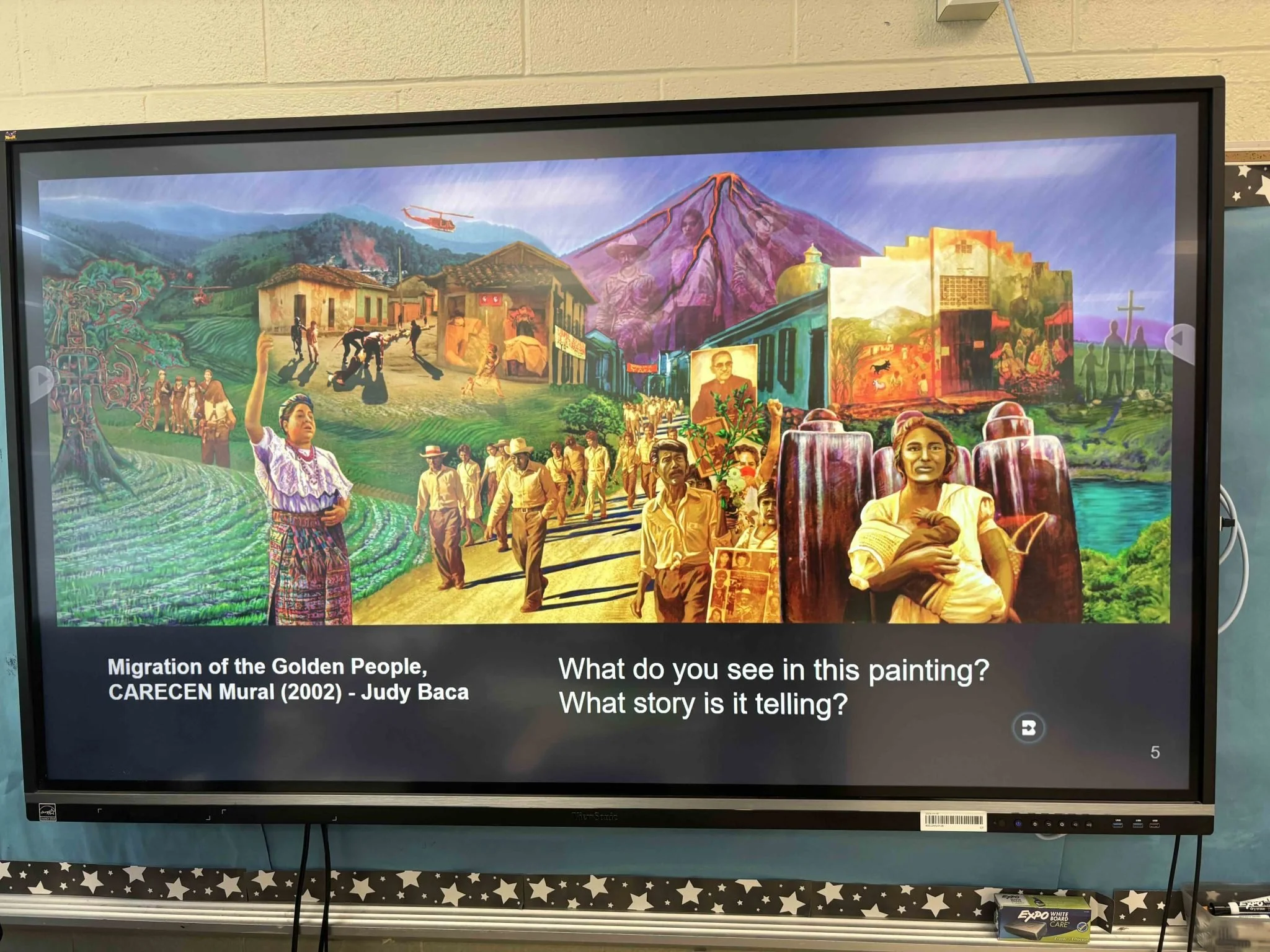
Central American Studies at Sequoyah Middle School in Metro-Atlanta
Apart from being the program specialist for Teaching Central America at Teaching for Change, I am proud to be a middle school teacher in the historic immigrant neighborhood of Buford Highway.
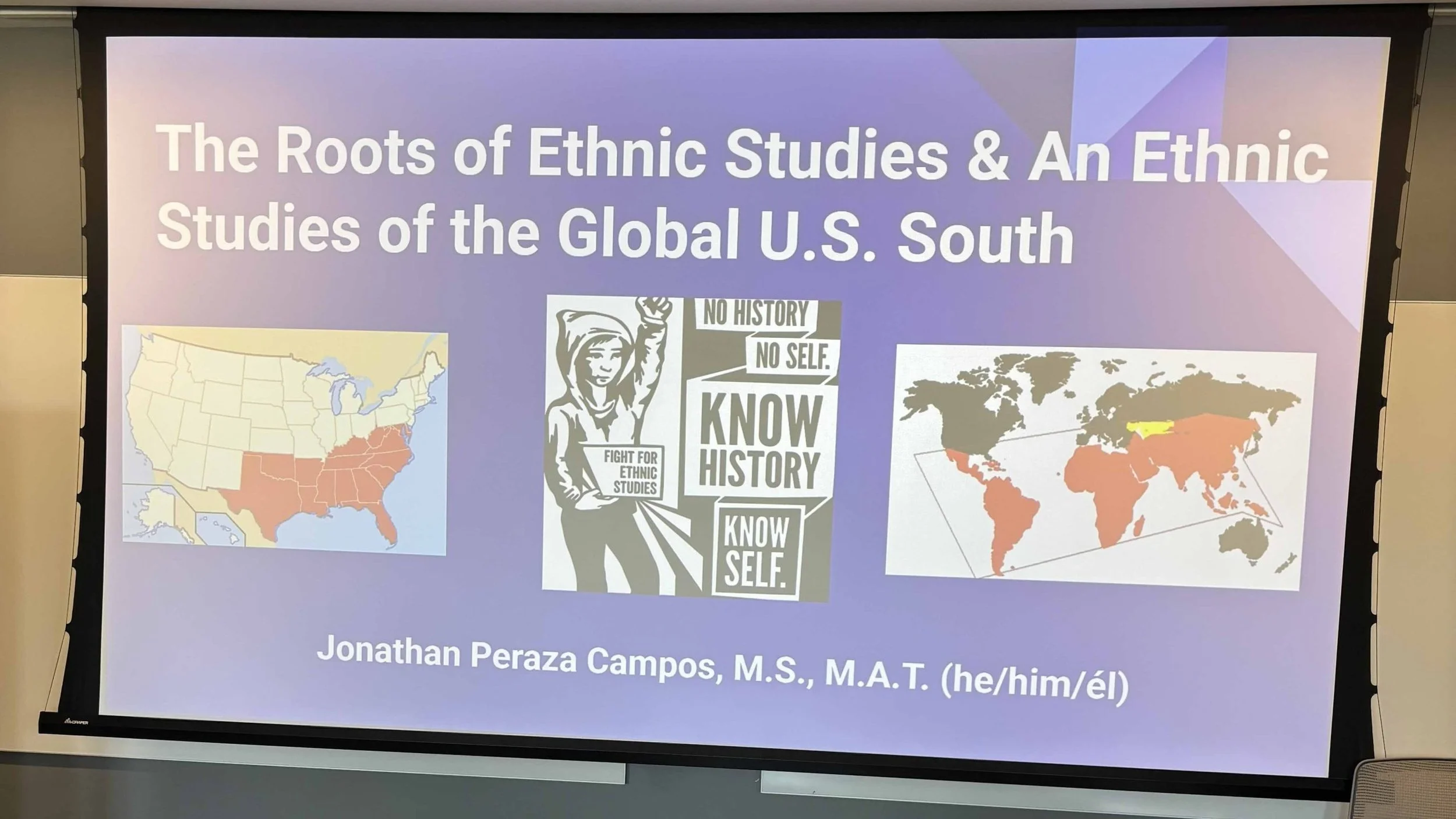
Teaching Central America at Kennesaw State University
Jonathan Peraza Campos was invited by Dr. Theresa Alviar-Martin to give a workshop for teachers participating in Kennesaw State University’s Education for Sustainability and Human Rights Fellowship in June of 2026.
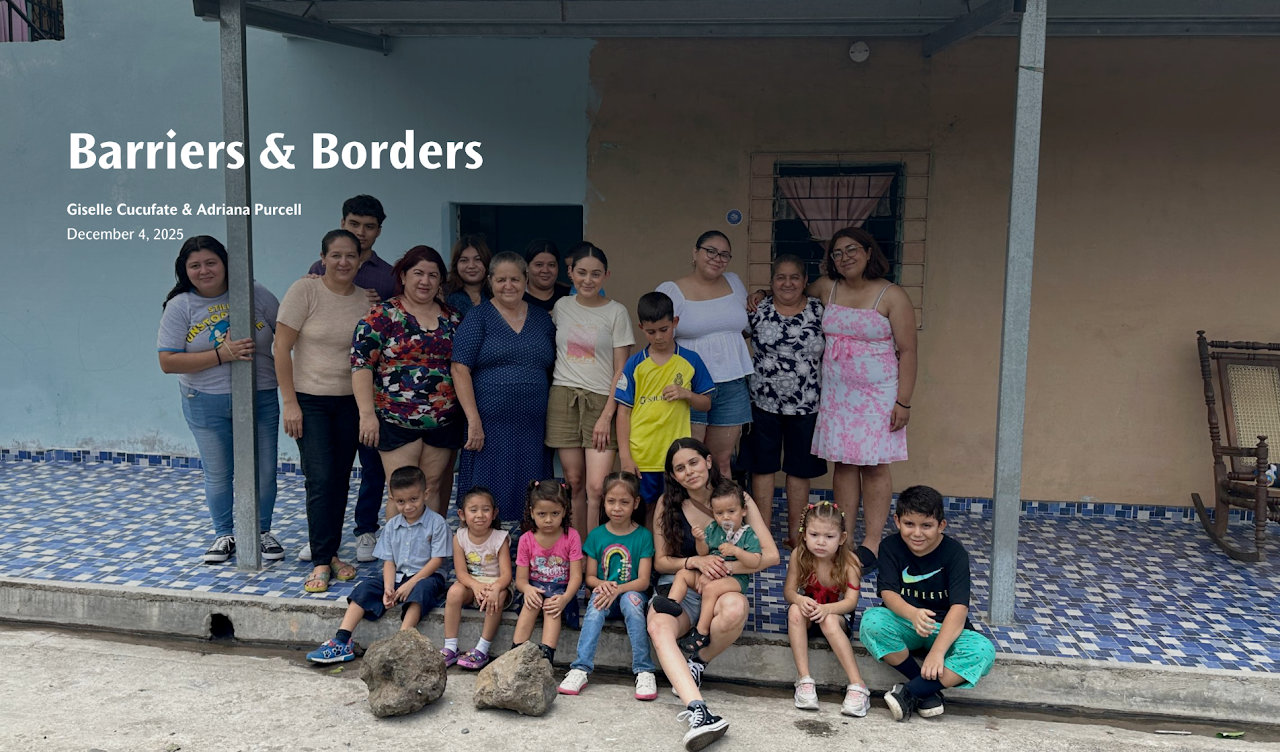
Student Projects on Contemporary Central America
Students in a course at Yale called Ethnicity, Race, & Migration: Central Americans in the United States developed capstone projects on contemporary issues that can be useful for high school classrooms.
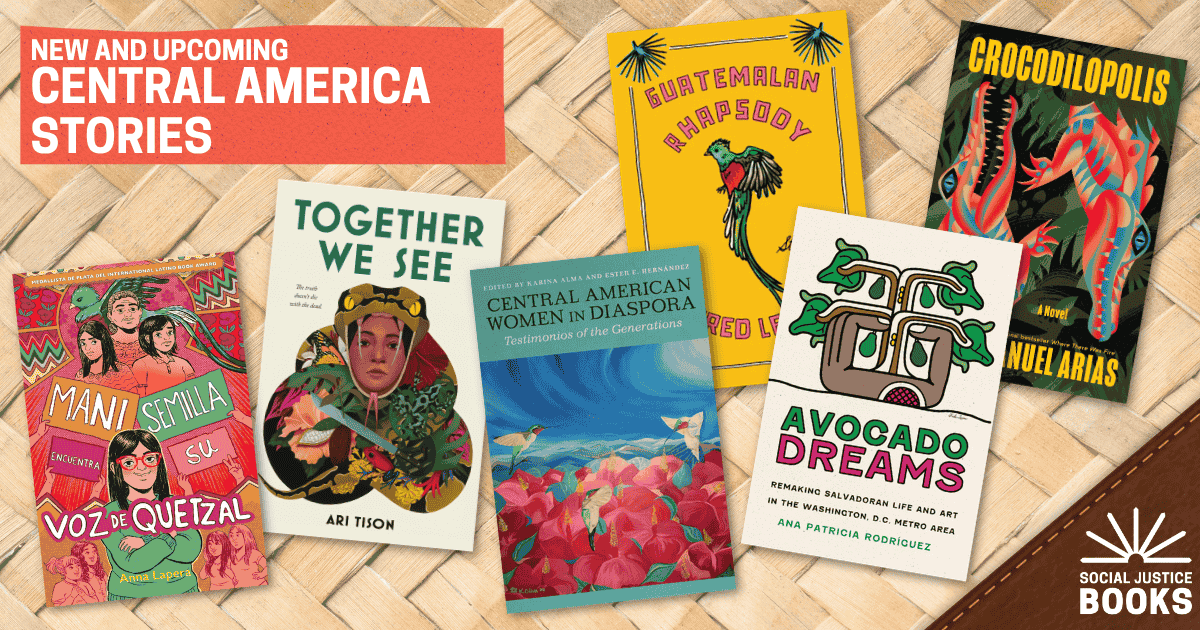
New Books on Central America
We are pleased to share several new and forthcoming titles on Central America and Central Americans in the United States. Two of the titles (Mani Semilla and Avocado Dreams) are by Teach Central America advisors Anna Lapera and Ana Patricia Rodríguez.
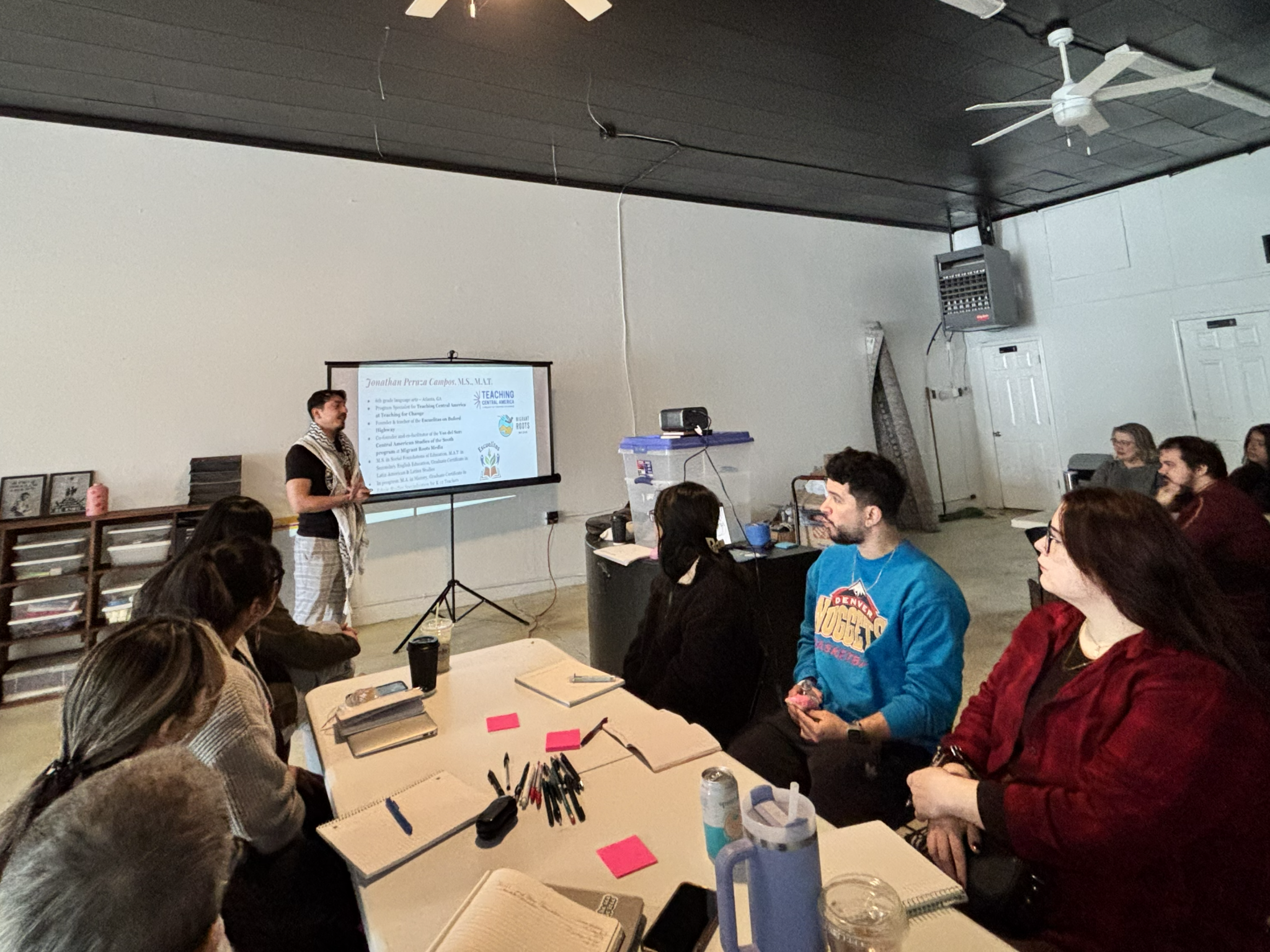
Teaching Central America for Immigrant Justice in Northwest Arkansas
In February 2026, Jonathan Peraza Campos, the program specialist for Teaching Central America, visited Springdale, Arkansas, to facilitate a day-long workshop on immigration and Latinx/Central American history for the Alliance for Immigrant Respect and Education (AIRE).
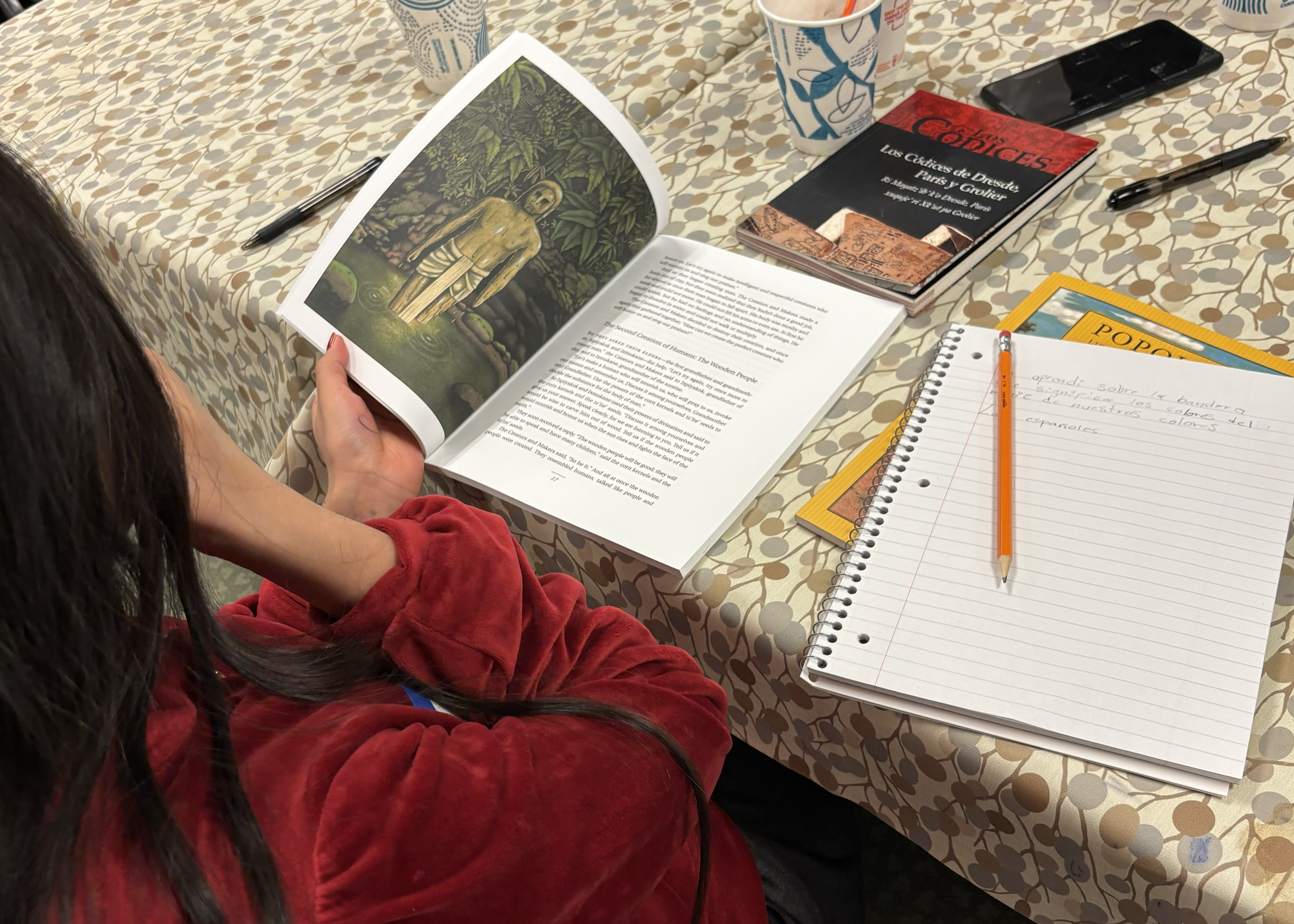
Maya Voices Program in Atlanta
Throughout February 2026, the Maya Voices Program provided a space for Maya families and students from the Buford Highway neighborhood of metro Atlanta to learn about their history, culture, and social issues in a Maya-centered space. Metro Atlanta teachers of Maya heritage students also experienced a professional development session.
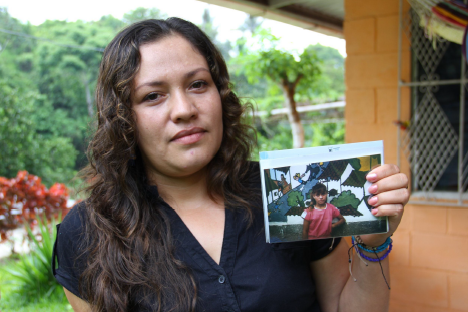
Debunking Myths About Migration, Poetry, and More
Yesenia Lopez, Language Arts/English teacher at DuVal High School in Lanham, Maryland, used three resources from the Teaching Central America website.
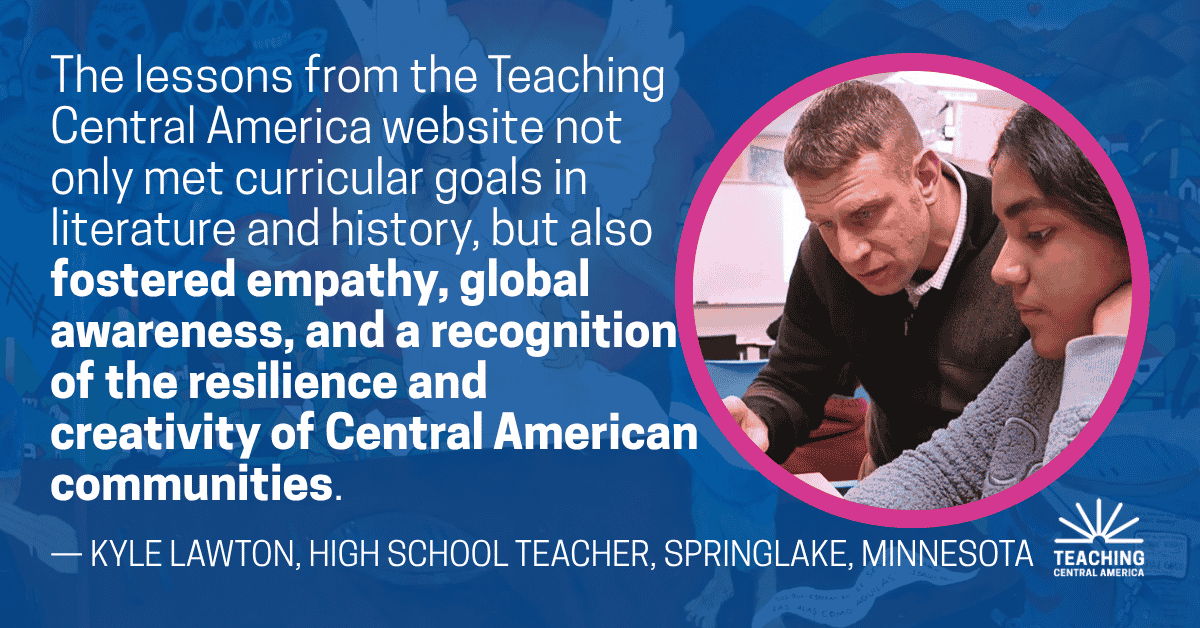
Kyle Lawton: Fostering Empathy and Global Awareness
The lessons from the Teaching Central America website not only met curricular goals in literature and history, but also fostered empathy, global awareness, and a recognition of the resilience and creativity of Central American communities.
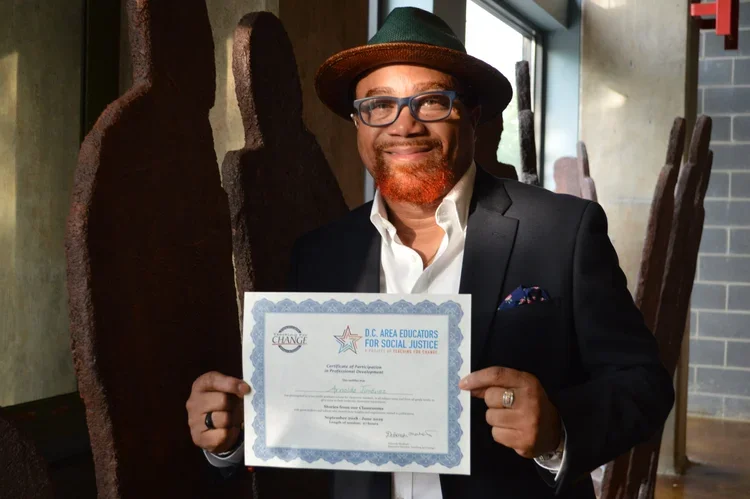
Arnoldo Jimenez: Helping Teachers Understand Central American Immigration
Our teachers enjoyed the lesson, because it allowed them to understand the reasons behind immigration from Central America.
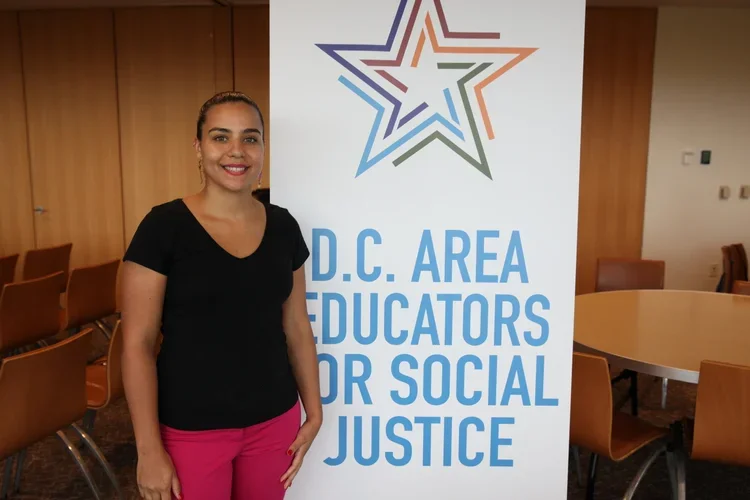
Faye Colon: Building Background Knowledge on Immigration
I used the building background knowledge lesson from the Roots of Immigration from El Salvador and Current Policy Debates unit, which had students explore why Salvadorans have immigrated to the U.S.
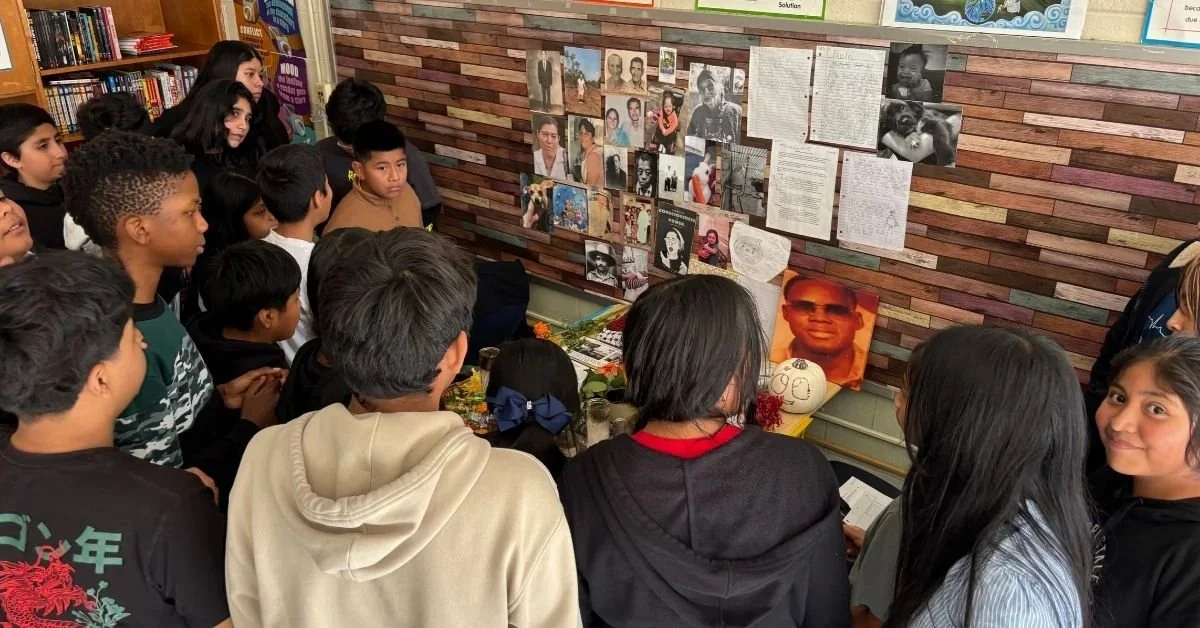
Teaching Central America at an Atlanta Middle School
Every year, I pair my unit on story elements with Indigenous history and culture. I teach about the Maya peoples in my language arts class through the Maya K’iché creation story from the Popol Wuj.
Sharing Personal Narratives and Cultural Exchange
Manfredo De la Cruz, 4th grade dual language teacher at Mount Vernon Community School, wanted to make it a priority to celebrate the cultures and identities of the many students from Central America and Mexico in their classroom.
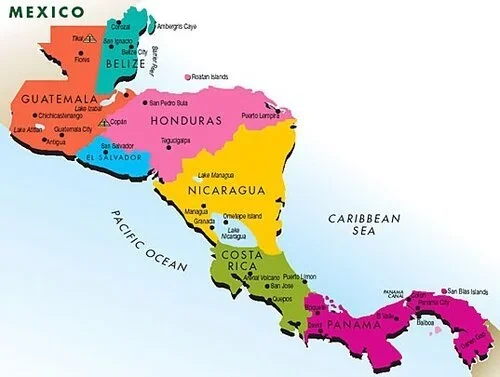
Exploring Central America Through Culture and Geography
A team of ESL/Bilingual teachers at William Ramsay Elementary School in Alexandria, Virginia engaged their students in a unit on Central America: Exploring Central America Through Culture and Geography.
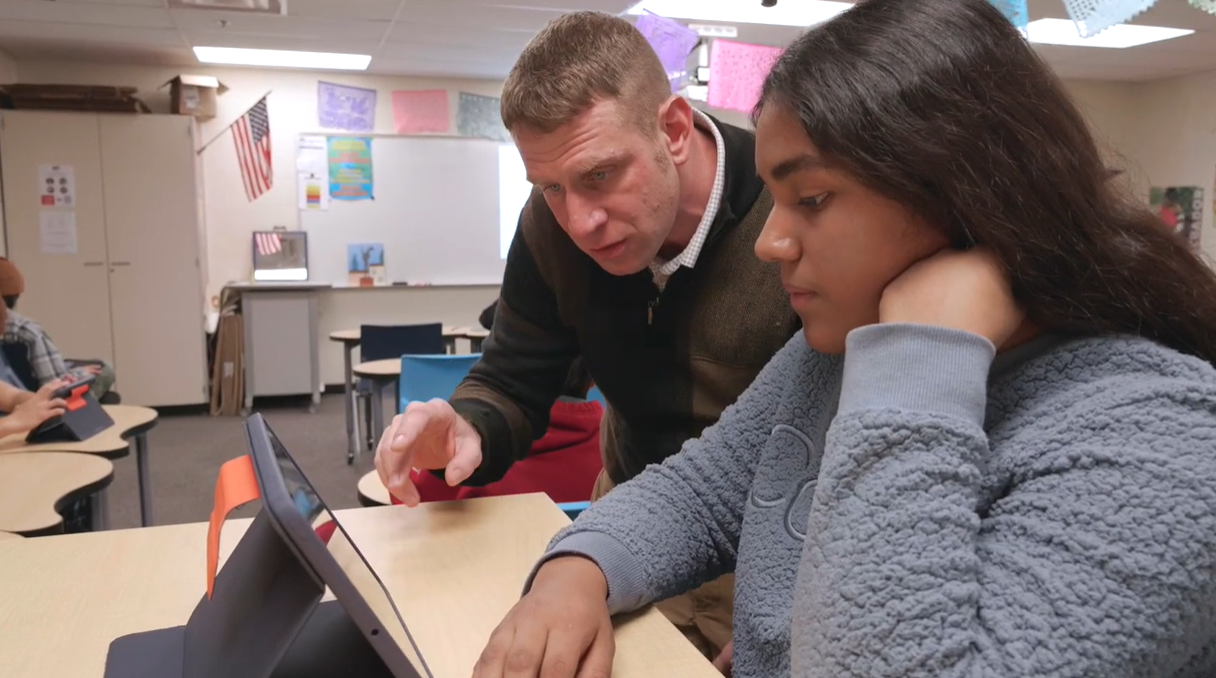
Poetry and First-Person Narratives in a Language Class
Kyle Lawton used selected poems from the poetry section of TeachingCentralAmerica.org to incorporate Central American voices into his language classes at Springlake High School in Springlake, Minnesota.
Categories
- Advisor: Mario Bencastro
- Author: Alejandra Mejia
- Author: Emil’ Keme
- Author: Jonathan Peraza Campos
- District of Columbia
- Events
- State: Arkansas
- State: California
- State: Georgia
- State: Hawai'i
- State: Illinois
- State: Indiana
- State: Louisiana
- State: Maryland
- State: Massachusetts
- State: Minnesota
- State: Mississippi
- State: Nevada
- State: New Jersey
- State: Ohio
- State: Oregon
- State: Pennsylvania
- State: Rhode Island
- State: Tennessee
- State: Virginia
- Teach Central America Week: 2022-2026