
Luisa Moreno
GUATEMALA
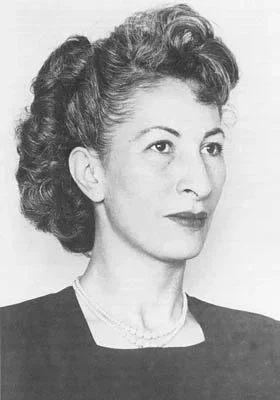
(1907–1992) Luisa Moreno was born in Guatemala City. She attended primary school in the United States and returned to Guatemala as a teenager before moving to Mexico City. In 1928, she moved to New York City, where she supported her family as a seamstress in a garment factory, experiencing the sweatshop conditions in the factories. Moreno soon became a labor organizer.
She unionized Black and Latina cigar rollers and other tobacco workers in Florida and helped a dwindling cigar workers’ union that had been terrorized by the Ku Klux Klan. She organized cane workers in Louisiana, pecan shellers in San Antonio (with Emma Tenayuca), and tuna-packing workers in San Diego. Her organizing work with sugar beet workers in Colorado was memorialized in song. She was elected as the first woman and the first Latina member of the California Congress of Industrial Organizations Council (CIO) and helped organize a Hispanic civil rights assembly called El Congreso de Pueblos que Hablan Español.
In 1948, she became one of thousands of activists investigated by the State Senate Committee on Un-American Activities, and she was threatened with deportation unless she would testify against another labor organizer. She refused, in her words, to be “a free woman with a mortgaged soul.” She burned her personal memoirs, correspondence, and photos after she learned that her gardener had been paid by the FBI to read her personal documents. Although not guilty of any crime, she did not want her friends and colleagues to have to endure harassment and humiliation. Moreno later regretted not saving these papers, which were a priceless collection on early labor unions in San Diego. Luisa Moreno left the United States in 1950 after a warrant of deportation was issued on the grounds that she had once been a member of the Communist party. She continued to support an array of social justice causes as she lived the rest of her life in Mexico, Cuba, and Guatemala. Read more about Luisa Morena at SanDiegoHistory.org and Smithsonian Magazine.
Looking for more teaching materials?
Search the Classroom Resource Library to browse resources by grade level, resource type, theme, and country.