
Classroom Resources[[bpstrwcotob]]
For more precise searching, use the Classroom Resource Library to filter by grade level, resource type, theme, and country.
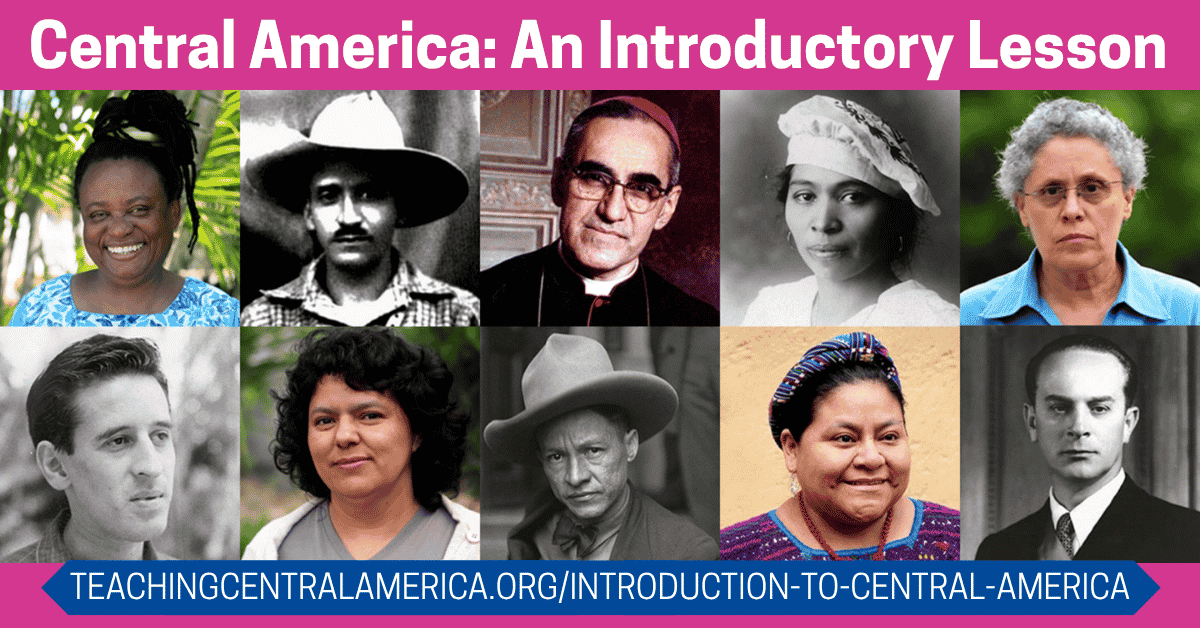
Central America: An Introductory Lesson
Students will emerge with a deeper understanding of the key concepts and themes that define modern Central American history, a more nuanced view of U.S. foreign policy in that history, and an appreciation of its impact on Latinx migration in recent years.
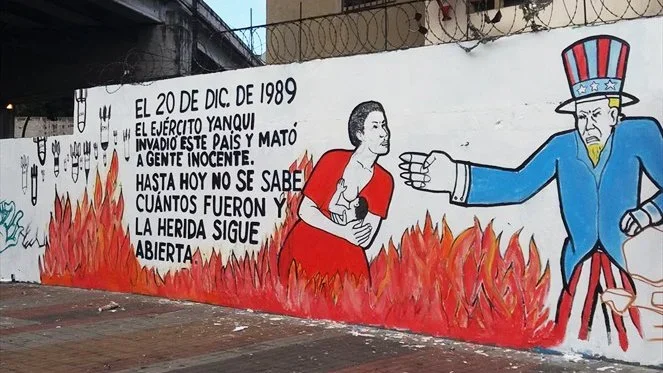
Why Did the United States Invade Panama in 1989?
Students will use primary source documents and artwork to solve the mystery of why there are competing interpretations on the reasons for the U.S. invading Panama in 1989.
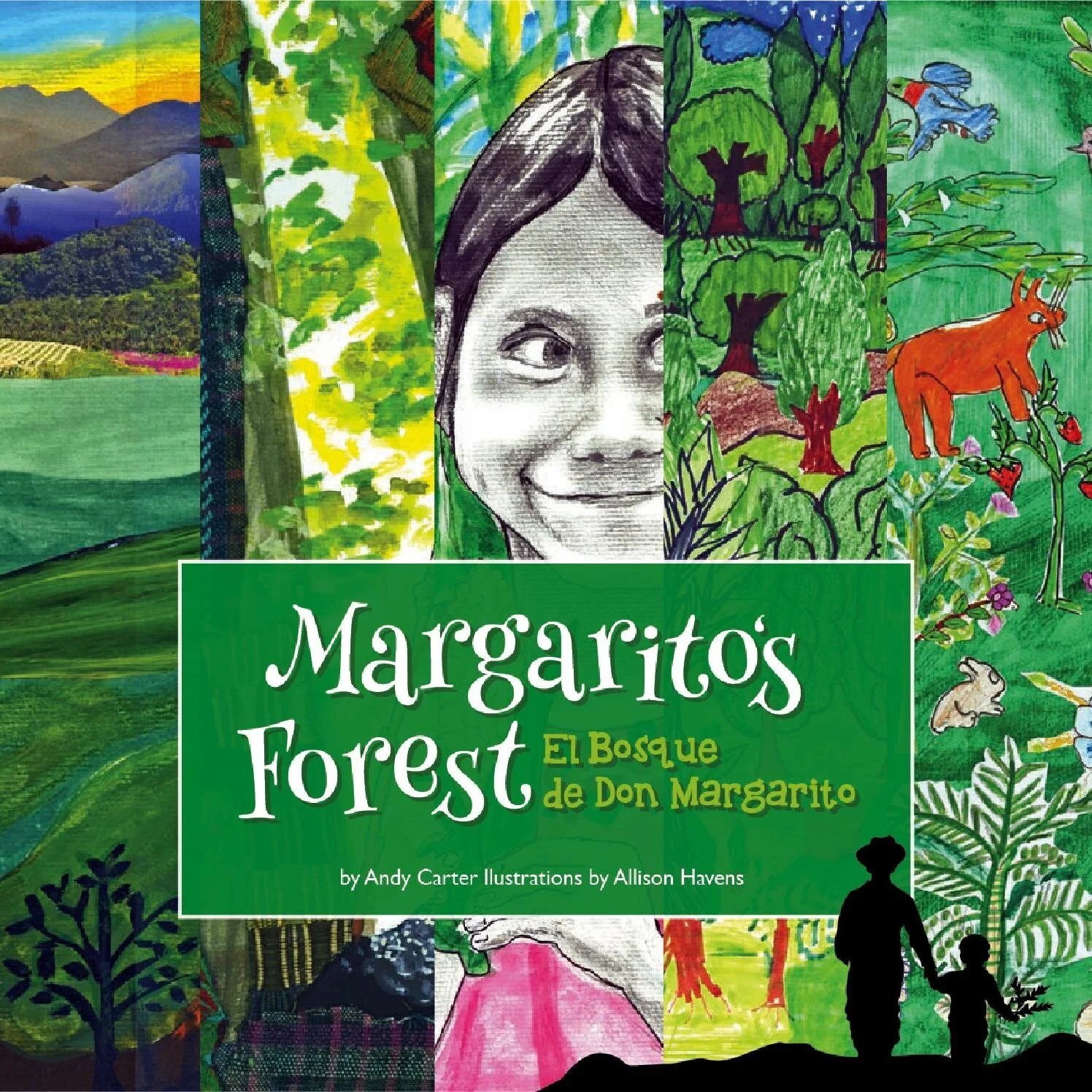
Margarito’s Forest / El Bosque de Don Margarito
The Consortium of Latin American Studies Programs (CLASP), on behalf of the Américas Award, produced a curriculum guide to accompany the book.
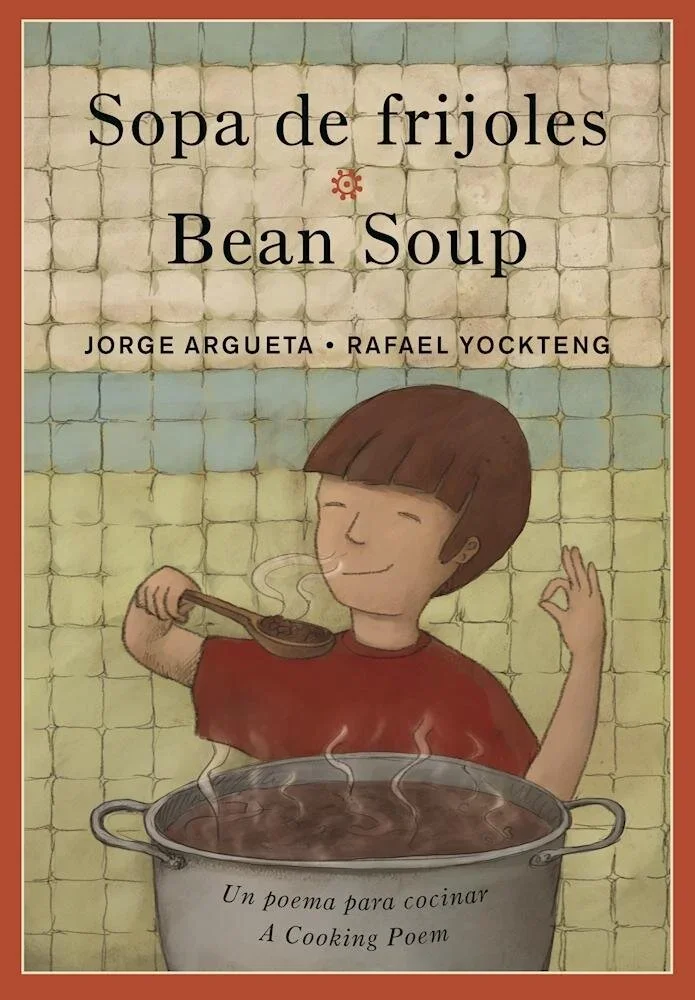
Sopa de frijoles / Bean Soup: A Cooking Poem
In this book, a young boy helps his mother prepare a soup the whole family will enjoy using ingredients from Mother Earth. Onions are “yellow as the dawn,” beans are like stars spread out on the “sky of the table” and the water in the pot is “as deep as a little lake.”
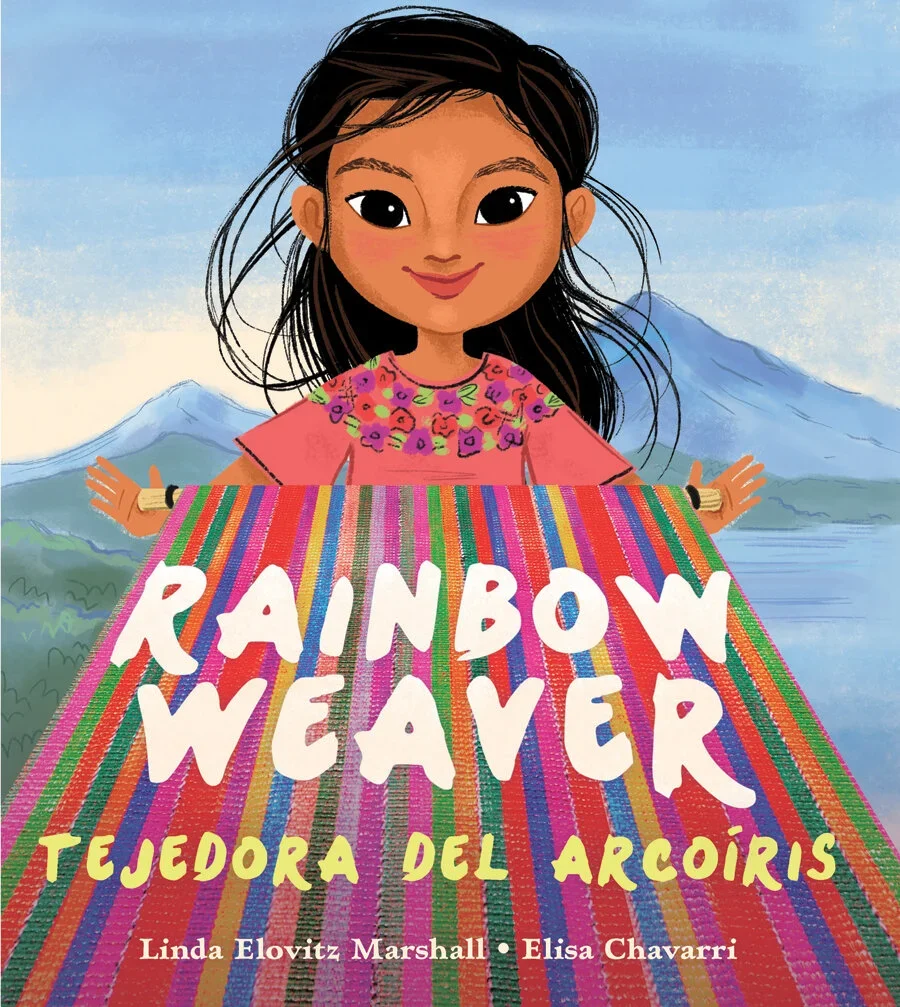
Rainbow Weaver / Tejedora del Arcoíris
Abigail K. Dillingham, M.Ed., an art teacher in Alexandria City Public Schools, has developed a weaving lesson to accompany the book Rainbow Weaver.
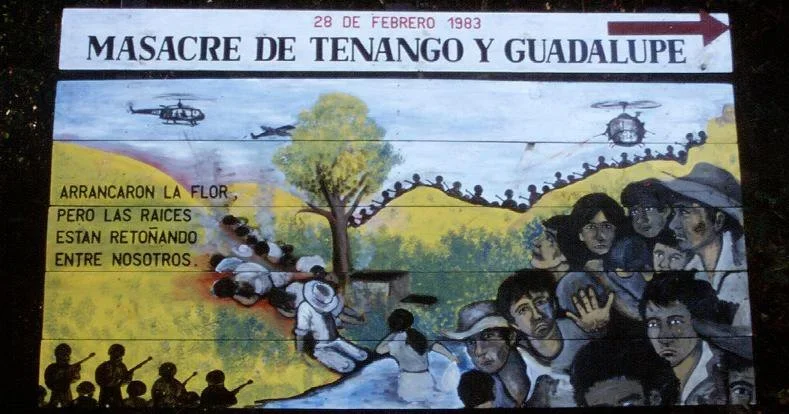
U.S. Policy in Central America
This series of lessons invites students to investigate the role of the United States in Guatemala and El Salvador in the 20th century.
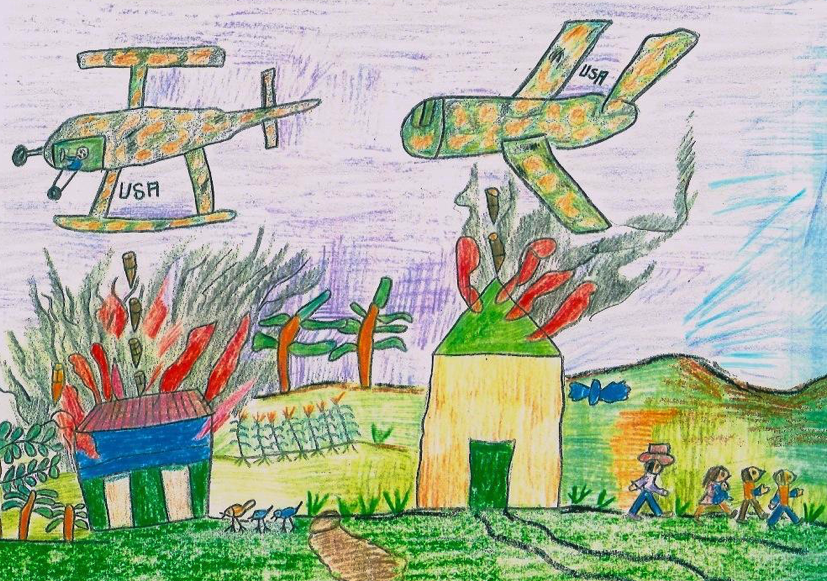
The Roots of Immigration from El Salvador and Current Policy Debates
This series of lessons uses the country of El Salvador as a case study to provide important historical context for contemporary immigration issues.
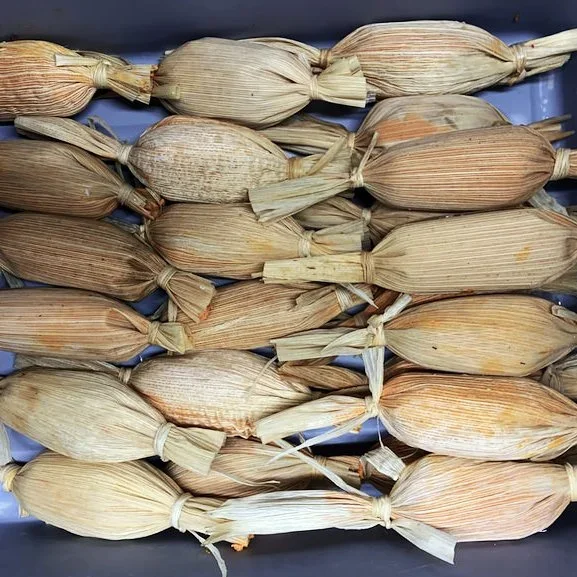
Salvadoran History Through Poetry
In this two-part lesson, students learn about the history and culture of El Salvador through Claribel Alegria’s poem “Little Cambray Tamales” and also write their own recipe poems.
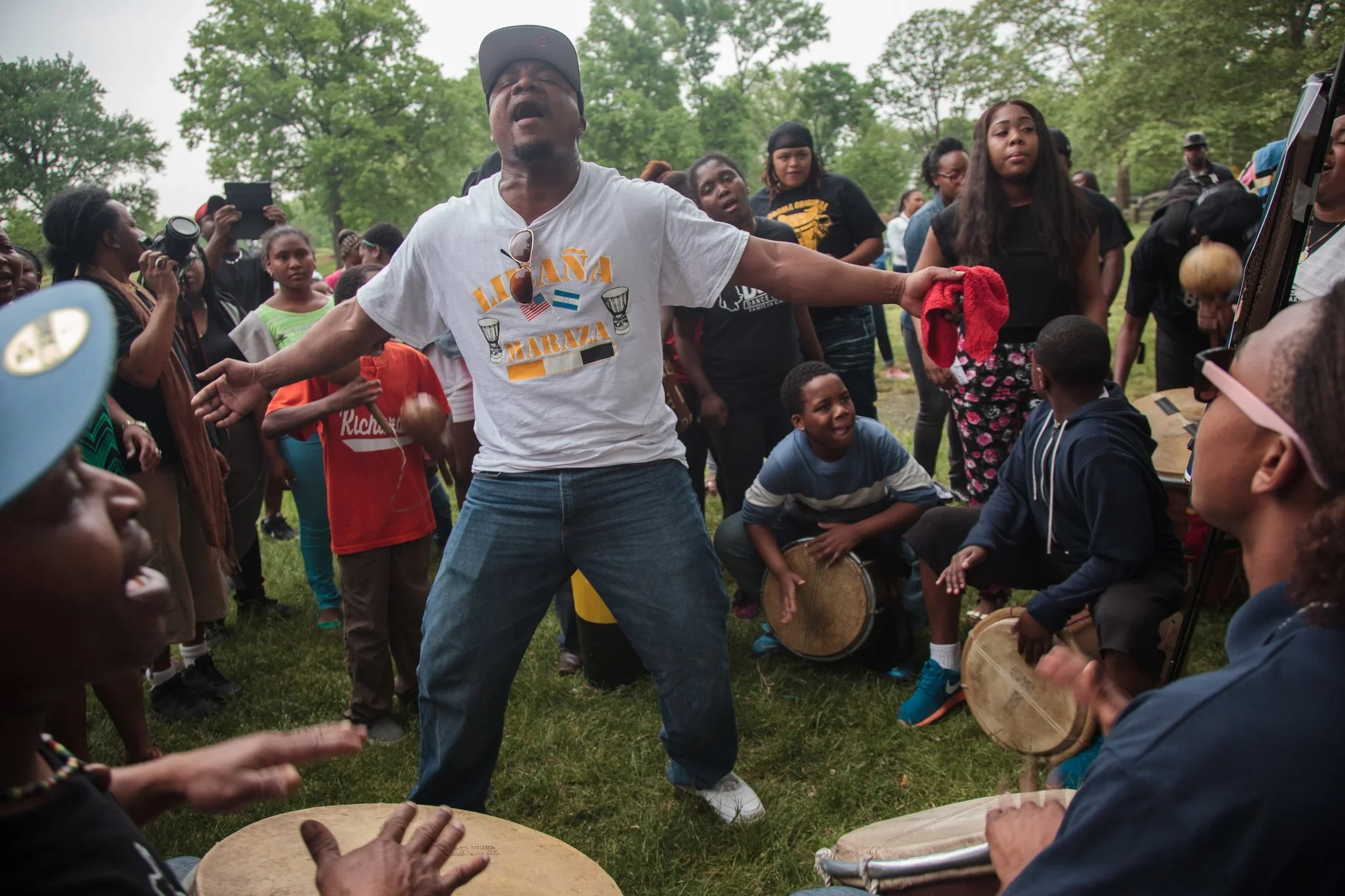
Resistance and Advocacy of Marginalized Communities (Dual Immersion Spanish)
In this dual immersion Spanish mini-unit developed as part of the UCI Central American Studies in K-12 Curriculum Project, 4th grade students explore the Garifuna and their history of forced migration and displacement.
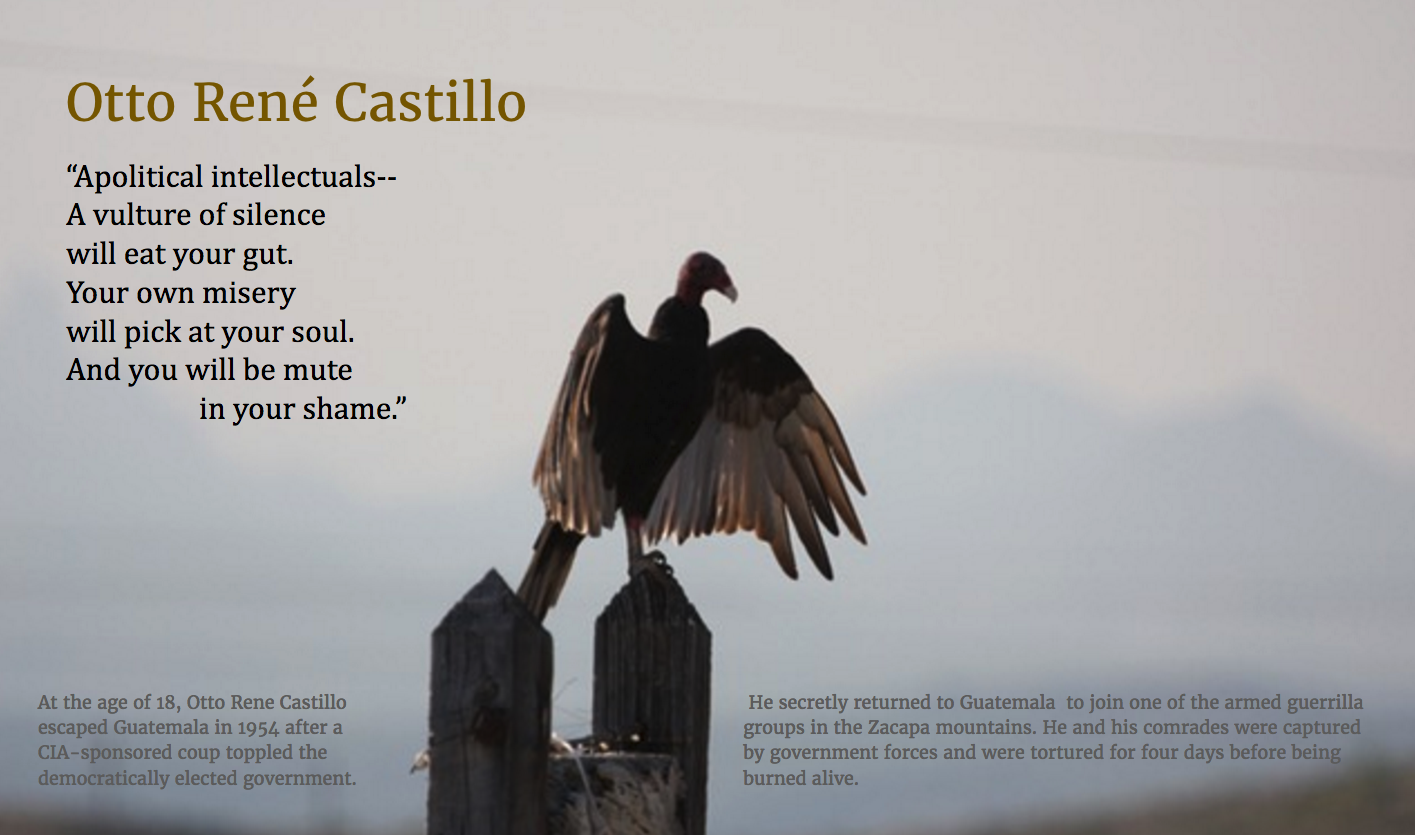
Poetry Fires the Revolution
In this series of three lessons, students will gain background knowledge on life in Central America during this volatile period in order to understand the risks these revolutionary poets took.
Personal Creed
In this lesson, students will use the lens of Claribel Alegria’s poem “Personal Creed” to gain understanding of how the civil war in El Salvador (1980-1992) shaped the experience and perspective of this accomplished poet and an entire generation of Salvadorans.
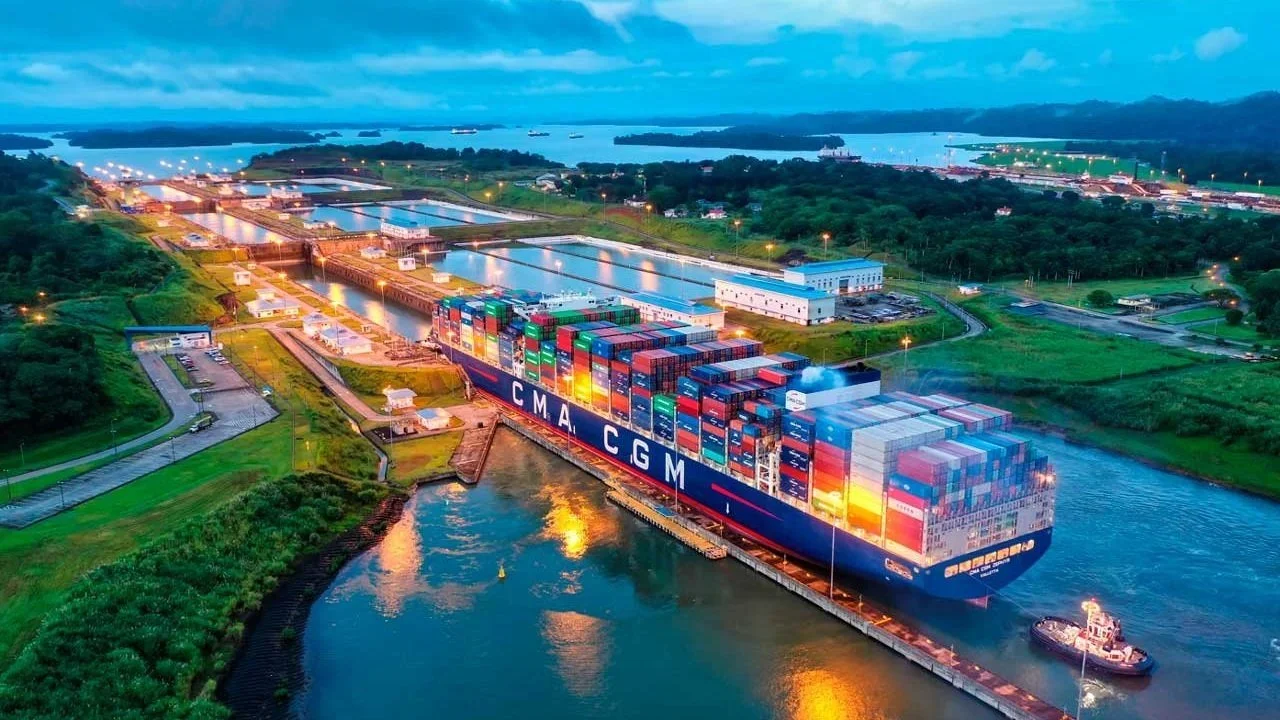
Panama and the Long Fight for Full Sovereignty
Teaching this unit on the long durée of resistance against the United States allows educators to center youth activism, cultural resistance, and the enduring quest for justice Panamanians still pursue for their national identity.
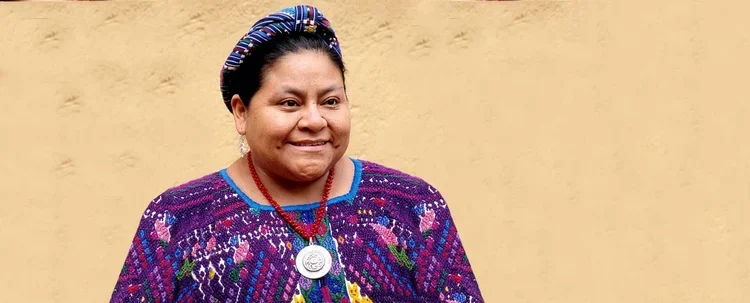
Mini-Bios for Morning Announcements
Here are short bios of various Central American leaders. Written for elementary school and up, they can be used during morning announcements.
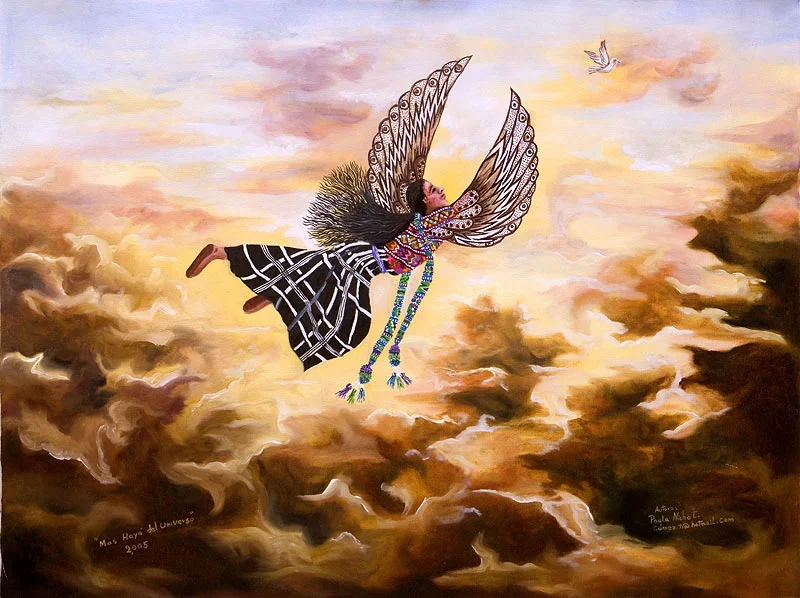
Leaving Home: Socratic Dialogue with Mayan Art
This teaching activity is from the article and lesson, Crossing Borders Through Art by Lynda Tredway.
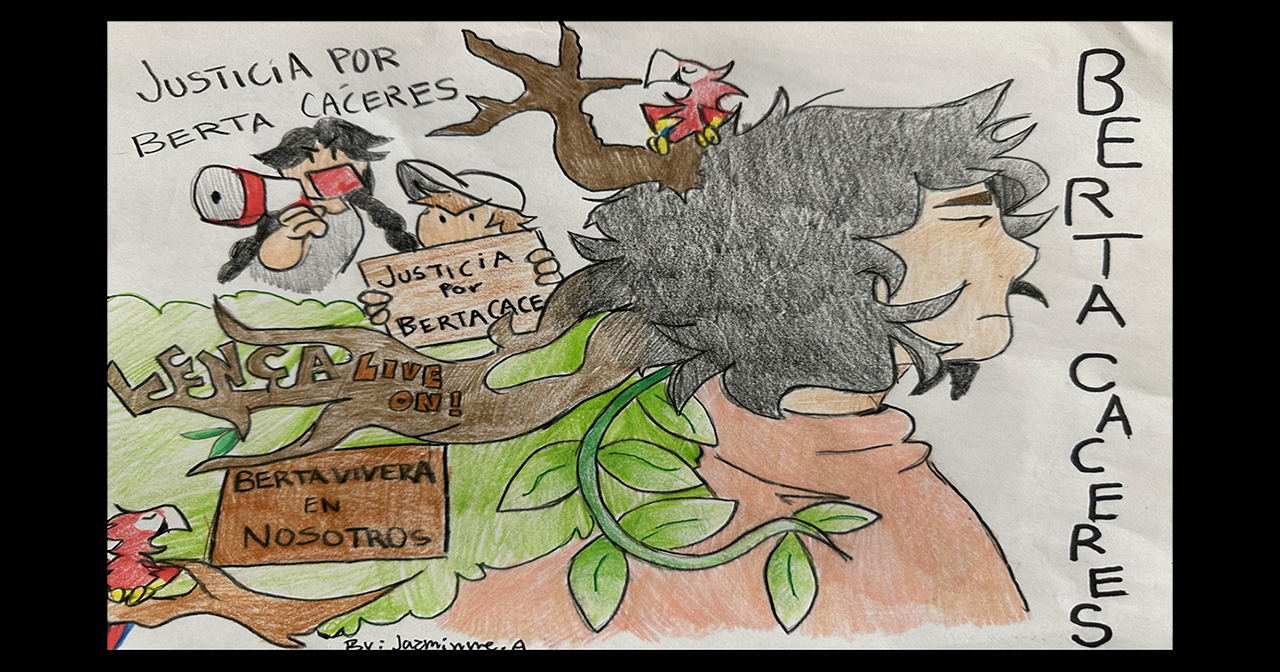
Indigenous History in Central America
In this unit developed as part of the UCI Central American Studies in K-12 Curriculum Project, students learn about four Central American Indigenous leaders and their fights for their land and equality.
Exploring the Histories of El Salvador and Guatemala with Literature
In this instructional unit, students draw on the When We Were Young website and literature (fiction and nonfiction) to understand the civil wars in El Salvador and Guatemala and the ongoing effects of these conflicts on Central America and the United States.
Cultural Identity Preservation Through Storytelling (Bilingual)
In this bilingual Spanish mini-unit developed as part of the UCI Central American Studies in K-12 Curriculum Project, 1st grade students learn about the migrant stories of their families, their school community, and local area through the cultural practice of storytelling through oral tradition and artwork.
Crossing Borders Through Art: The Tortilla as Canvas
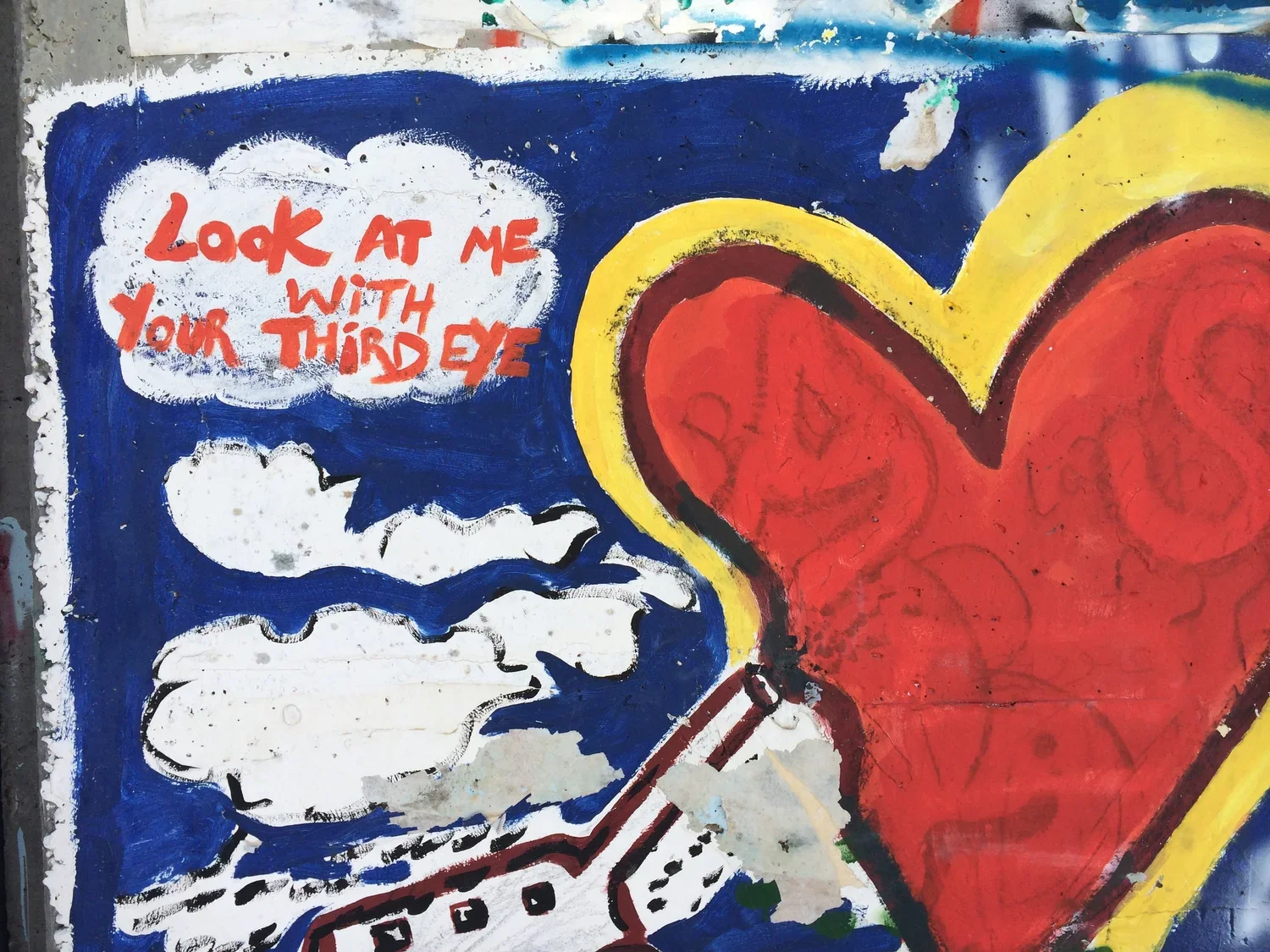
This discussion and lesson concentrates on the U.S./Mexico border and invites educators to consider lessons that stimulate discussion about walls through readings and art, using the tortilla as a canvas.
Beauty and Eco-Relationships in the Natural World of Central America
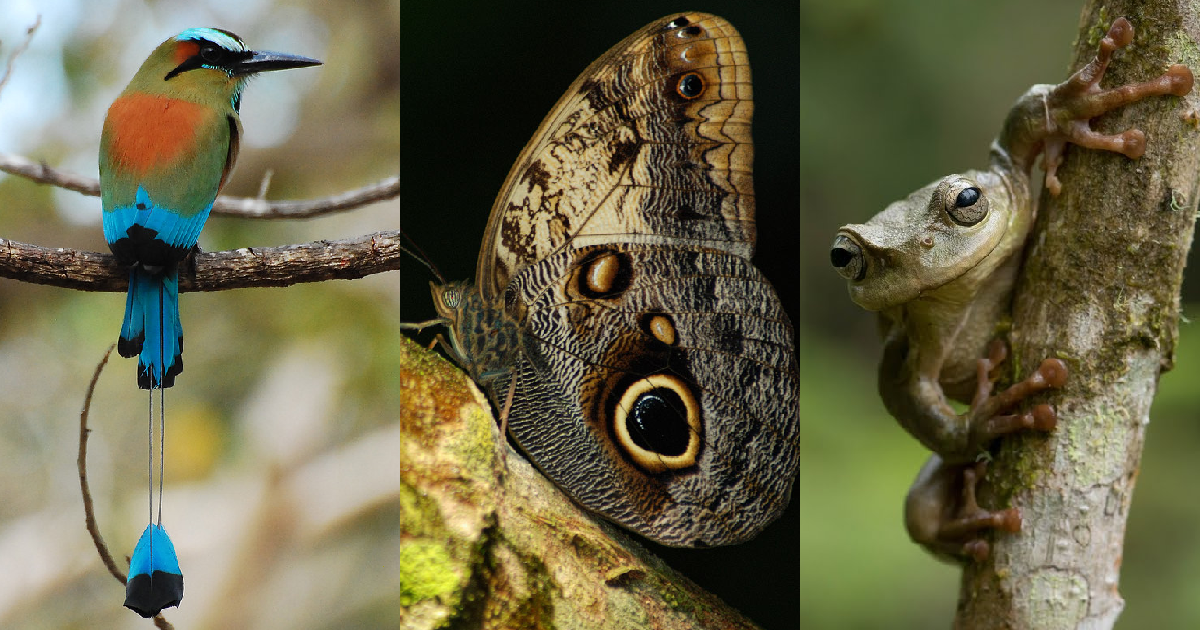
In this lesson, students learn about three different animals — all indigenous to Central America and help us understand the region’s ecosystems.
A Movie in My Pillow Teaching Guide
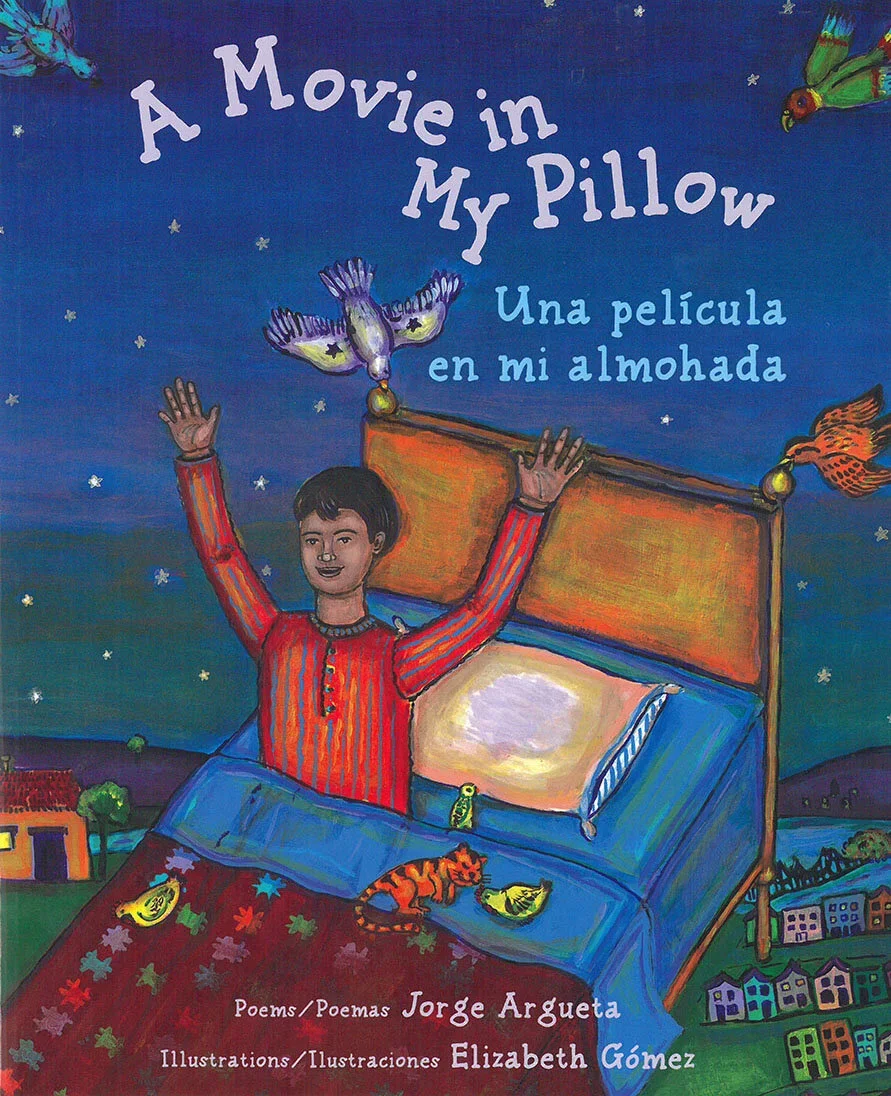
Introduce to students that poetry, mythology and art perpetuate traditions and customs of a culture or ethnic group.
Categories
- Country: Belize 3
- Country: Costa Rica 4
- Country: El Salvador 26
- Country: Guatemala 25
- Country: Honduras 7
- Country: Nicaragua 24
- Country: Panama 5
- Country: United States 5
- Home Page 3
- Reading Level: Elementary School 28
- Reading Level: High School 72
- Reading Level: Middle School 54
- Theme: Art 4
- Theme: Climate/Environment 4
- Theme: Immigration 8
- Theme: Indigenous Central America 5
- Theme: Key People 35
- Theme: LGBTQ+ 1
- Theme: Recursos en Español 22
Tags