
Classroom Resources[[bpstrwcotob]]
For more precise searching, use the Classroom Resource Library to filter by grade level, resource type, theme, and country.
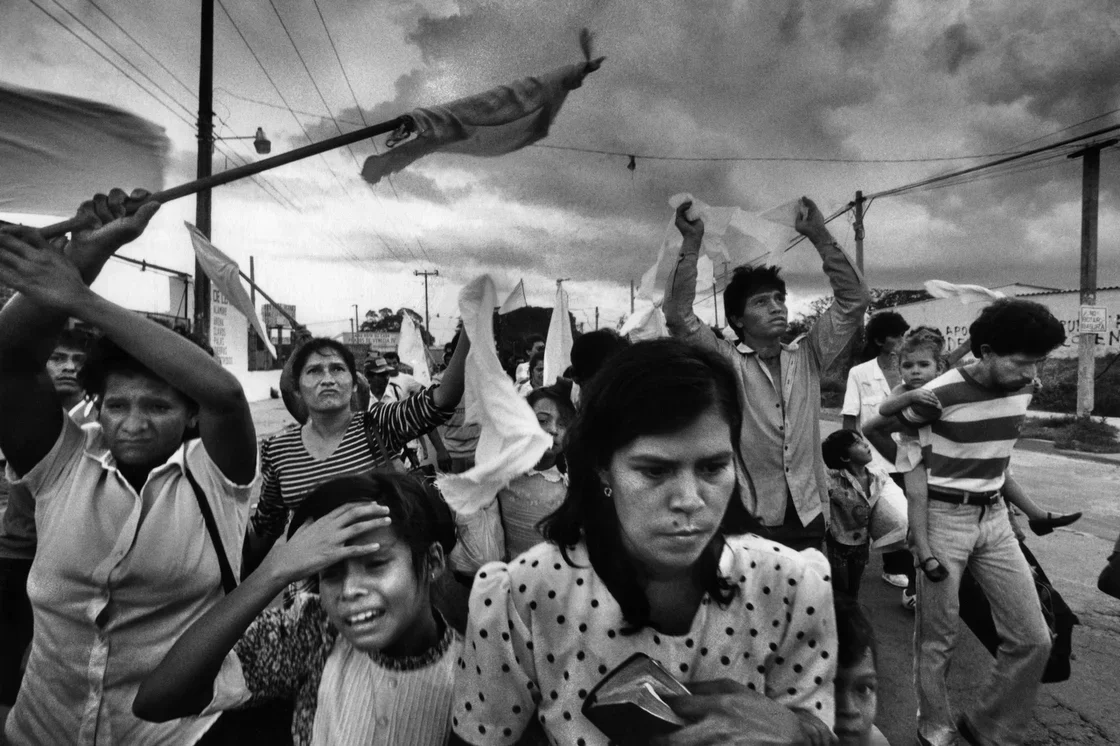
Debunking 8 Myths About Why Central American Children Are Migrating
While this article is from 2014 and some of the references are dated, it is the most student-friendly piece we have found on the push factors that lead to immigration from Central America.
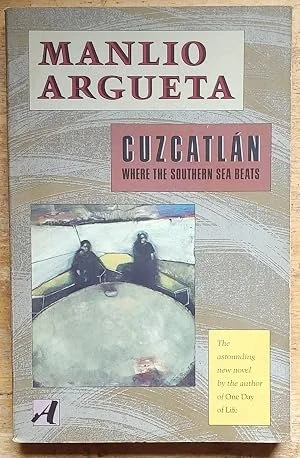
Cultural Identity Preservation Through Storytelling (Bilingual)
In this bilingual Spanish mini-unit developed as part of the UCI Central American Studies in K-12 Curriculum Project, 1st grade students learn about the migrant stories of their families, their school community, and local area through the cultural practice of storytelling through oral tradition and artwork.
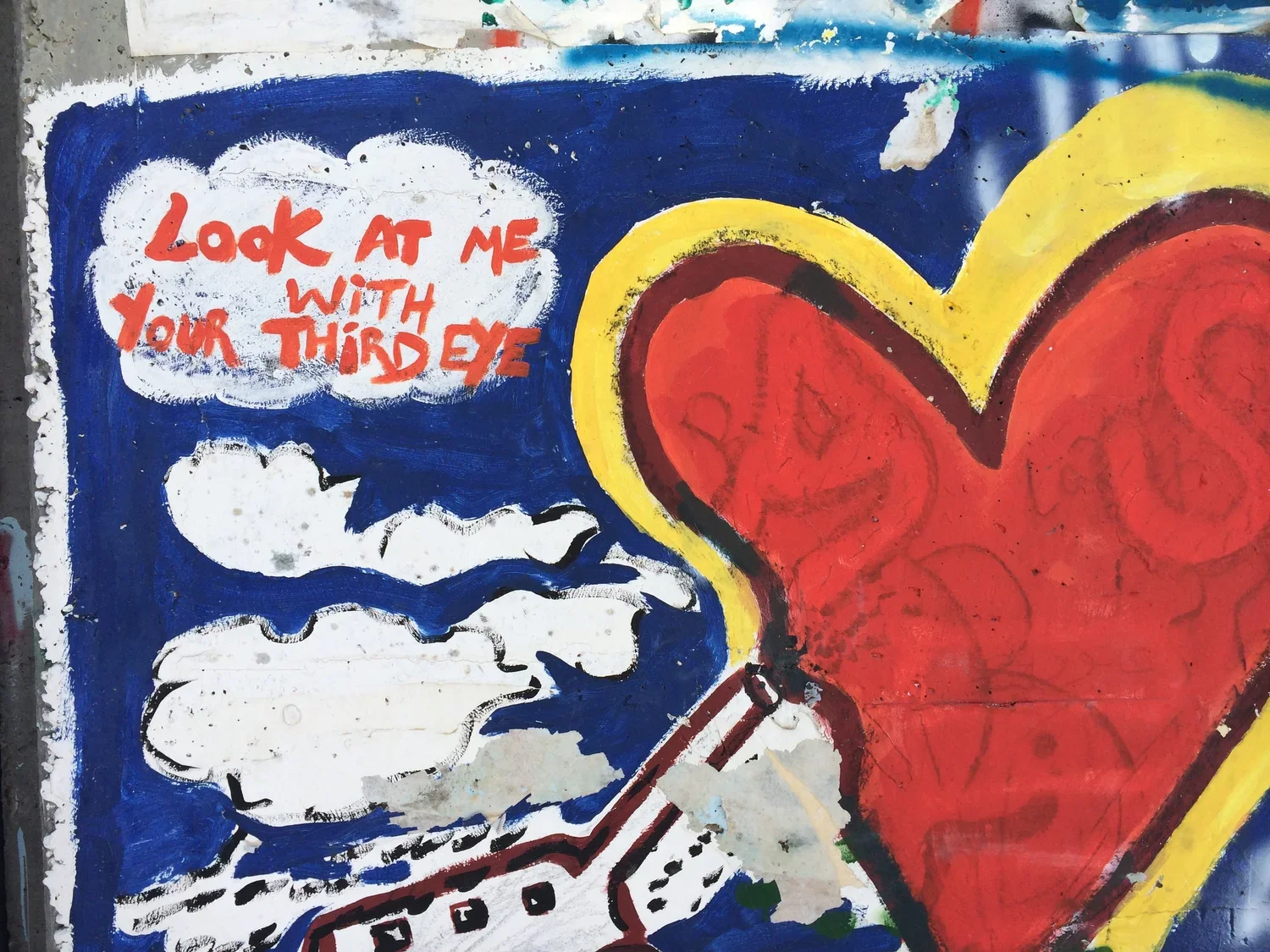
Crossing Borders Through Art: The Tortilla as Canvas
This discussion and lesson concentrates on the U.S./Mexico border and invites educators to consider lessons that stimulate discussion about walls through readings and art, using the tortilla as a canvas.
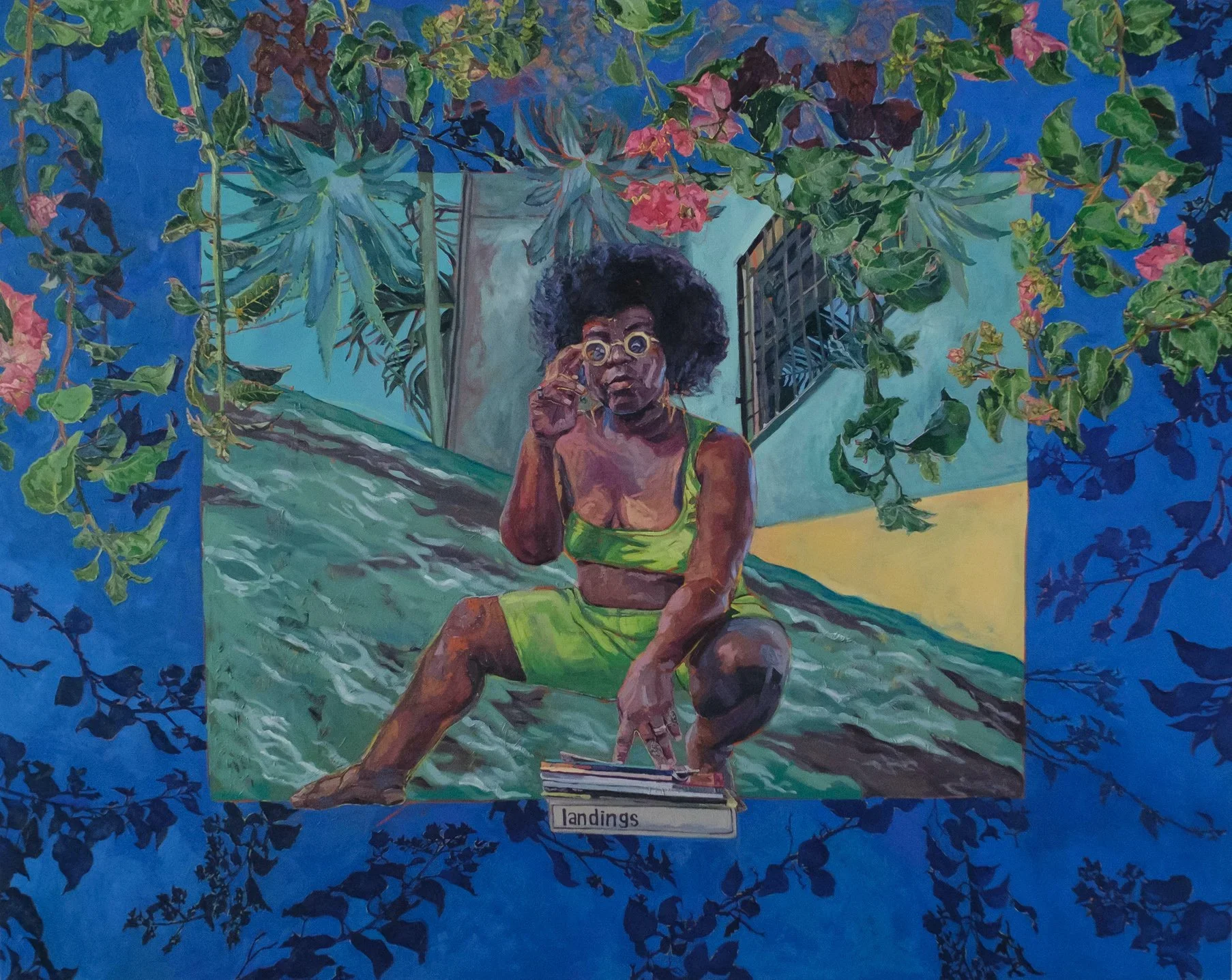
Kiara Aileen Machado Artwork
Kiara Aileen Machado is a contemporary artist born in Lynwood, California, who depicts and explores the construction of identity, familial lineage, intergenerational trauma, and culture in her work.
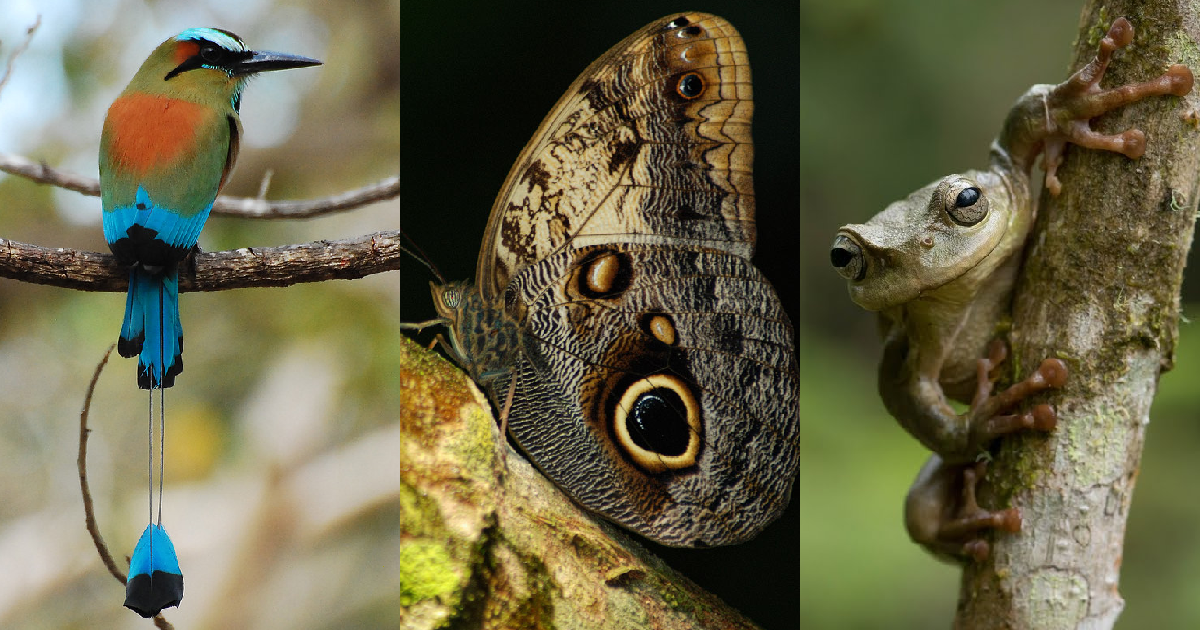
Beauty and Eco-Relationships in the Natural World of Central America
In this lesson, students learn about three different animals — all indigenous to Central America and help us understand the region’s ecosystems.
Ars Poetica/Ars poética
Poem by Claribel Alegría. From Fugues. (Curbstone Press, 1993)
Translated by D.J. Flakoll. PDF copy available.
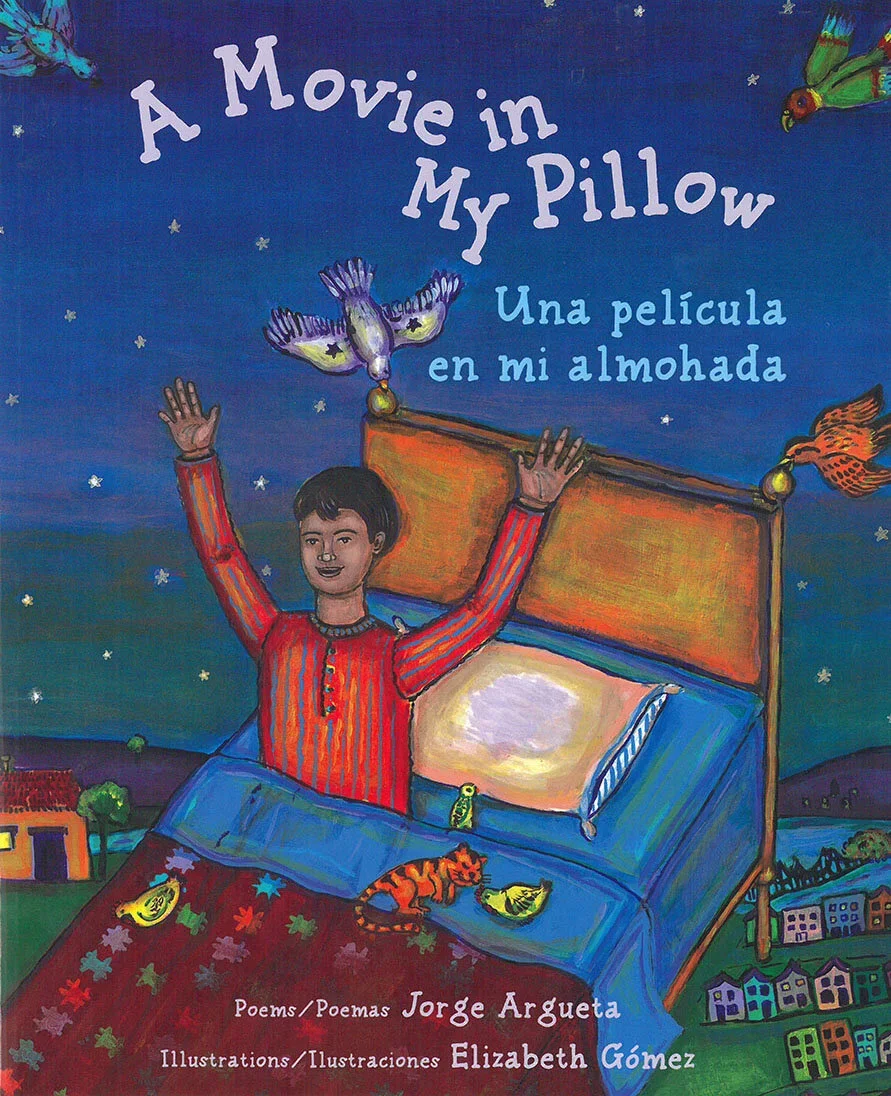
A Movie in My Pillow Teaching Guide
Introduce to students that poetry, mythology and art perpetuate traditions and customs of a culture or ethnic group.
A Flower / Una Flor
Poem by Carlos José Guadamuz. Translated by David Volpendesta, Volcán: Poems from El Salvador, Guatemala, Honduras, Nicaragua
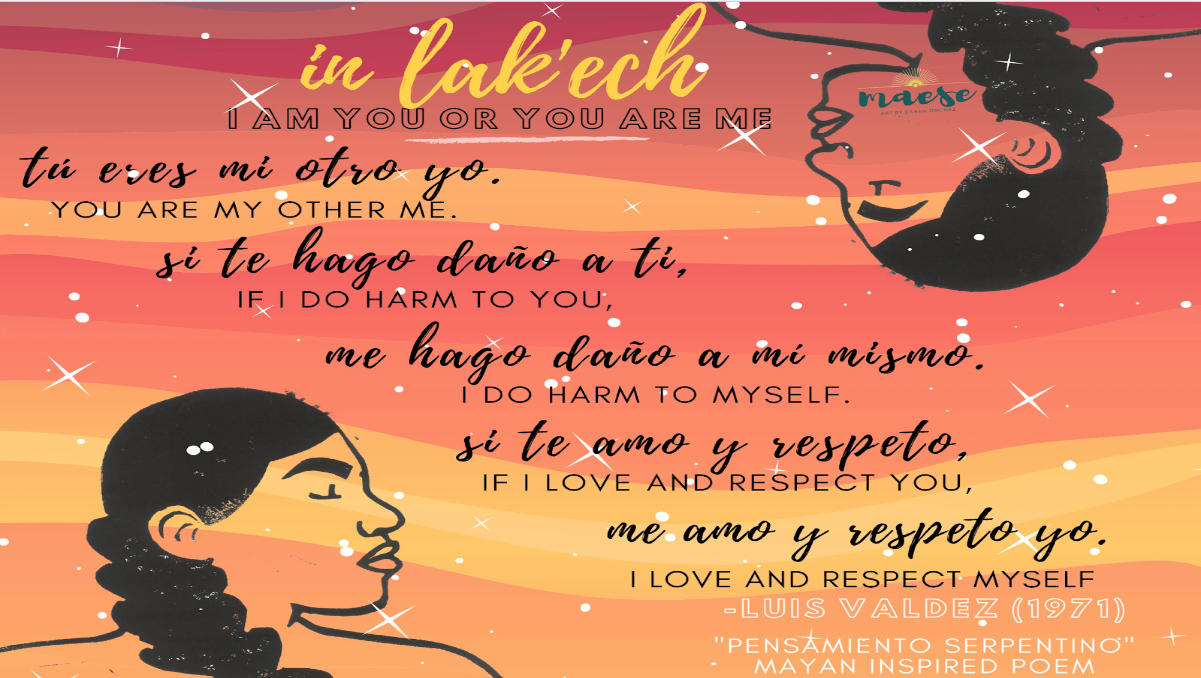
I Am You Or You Are Me / In Lak'ech
This poem, written by Chicano playwright Luis Valdez, is part of a larger work, Pensamiento Serpentino. The poem draws heavily from Mayan philospophy and the Maya-Quiche origin myth El Popol Vuh.
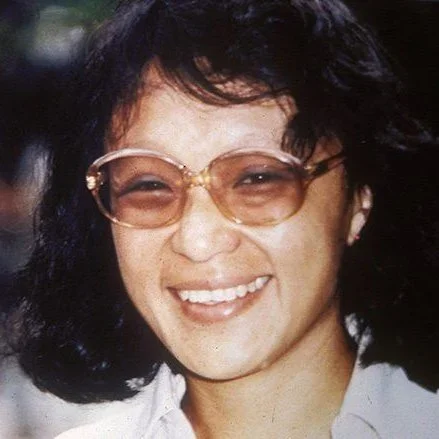
Myrna Mack Chang
(1949–1990) Myrna Mack Chang was born in Barrio San Nicolás, Retalhuleu, in southwestern Guatemala. Her parents were ethnic Chinese. Myrna trained as a teacher, then as a social worker, then as an anthropologist. For her advocacy for the Maya community, she was labeled an “internal enemy” by the government.
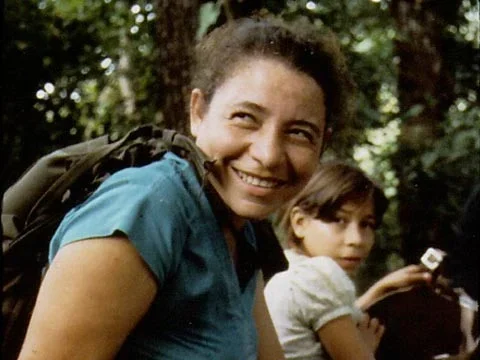
Maria Serrano
(1950– ) Maria Serrano, born in El Salvador, was a young mother when she began organizing her fellow campesinos (farmers) to ask for land and rights from the corrupt Salvadoran government during the U.S.-backed civil war.
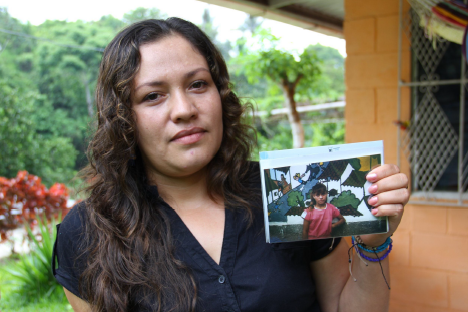
Building Collective Memory Through History and Poetry
In this mini-unit developed as part of the UCI Central American Studies in K–12 Curriculum Project, students explore the personal impact that the politics of El Salvador and the United States have on both Salvadoran migrants and their children.
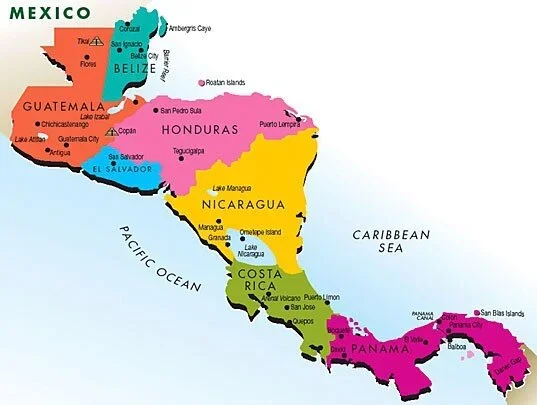
Geography is History: Locate the Countries of Central America
This interactive map lesson provides students with clues based on the history and geography of Central America so that they can find and remember the location of each country.
Categories
- Country: Belize 3
- Country: Costa Rica 4
- Country: El Salvador 27
- Country: Guatemala 25
- Country: Honduras 7
- Country: Nicaragua 24
- Country: Panama 5
- Country: United States 5
- Home Page 3
- Reading Level: Adult 1
- Reading Level: Elementary School 28
- Reading Level: High School 73
- Reading Level: Middle School 54
- Theme: Art 4
- Theme: Climate/Environment 4
- Theme: Immigration 8
- Theme: Indigenous Central America 5
- Theme: Key People 35
- Theme: LGBTQ+ 1
- Theme: Recursos en Español 22
- Theme: US Foreign Policy 1
- Theme: War 1
Tags