
Maya Voices Program in Atlanta
By Jonathan Peraza Campos and Emil’ Keme
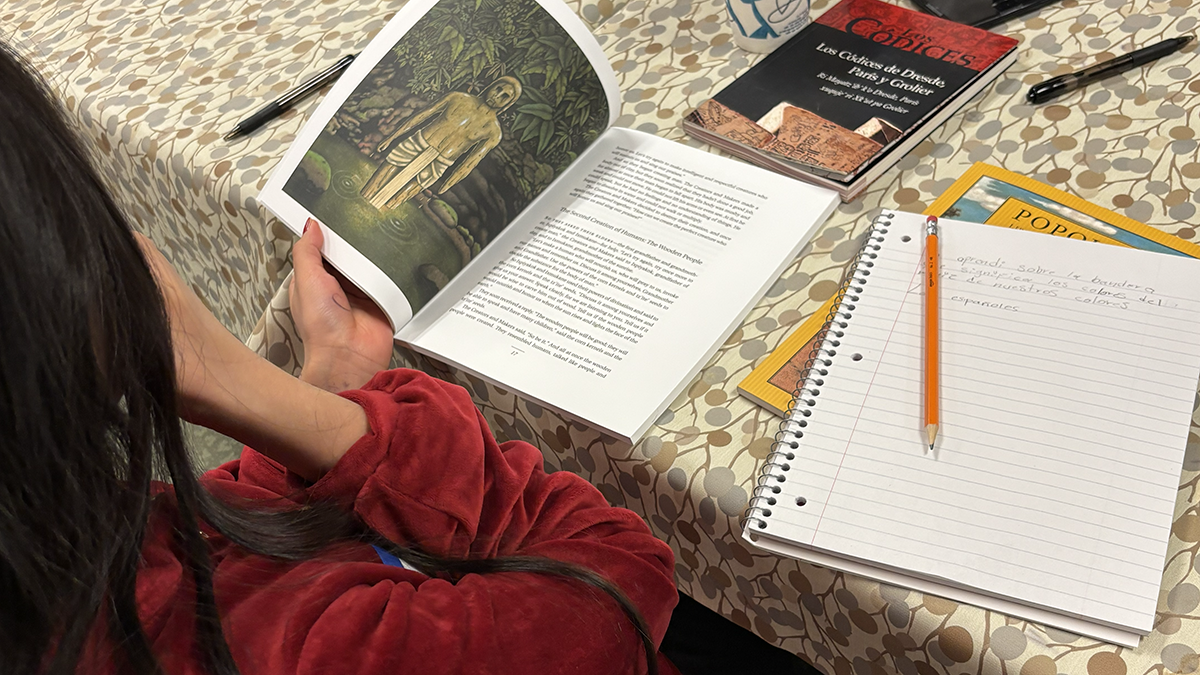
Throughout February 2026, the Maya Voices Program provided a space for Maya families and students from the Buford Highway neighborhood of metro Atlanta to learn about their history, culture, and social issues in a Maya-centered space. Metro Atlanta teachers of Maya heritage students also experienced a professional development session.
School systems across the country, particularly in the Southeast, are often insufficiently informed about the resources, supports, and curricula that most effectively benefit Latinx and Spanish-speaking students, a category that already encompasses Central American students. These gaps deepen significantly when students are Indigenous — such as Maya, Chatino, Mexica, Ayuujk, or Purépecha — whose distinct histories, languages, and epistemologies are frequently absorbed into dominant narratives of Latinidad, Hispanism, Central Americanness, or flattened into citizenship-based identities (e.g., “Mexican,” “Guatemalan,” “Salvadoran”). Such frameworks erase Indigenous specificity and limit how Indigenous students are recognized and supported within schools.
The Maya Voices program was created to fill that gap by Emory University professor of English and Indigenous studies and Teaching Central America advisor Dr. Emil’ Keme (K’iche’ Maya Nation), Teaching Central America program specialist Jonathan Peraza Campos along with Escuelitas on Buford Highway and Executive director Juanita Cabrera Lopez (Maya Mam Nation) from the International Maya League. They collaborated with additional partner organizations to launch the program with funding from Emory University.
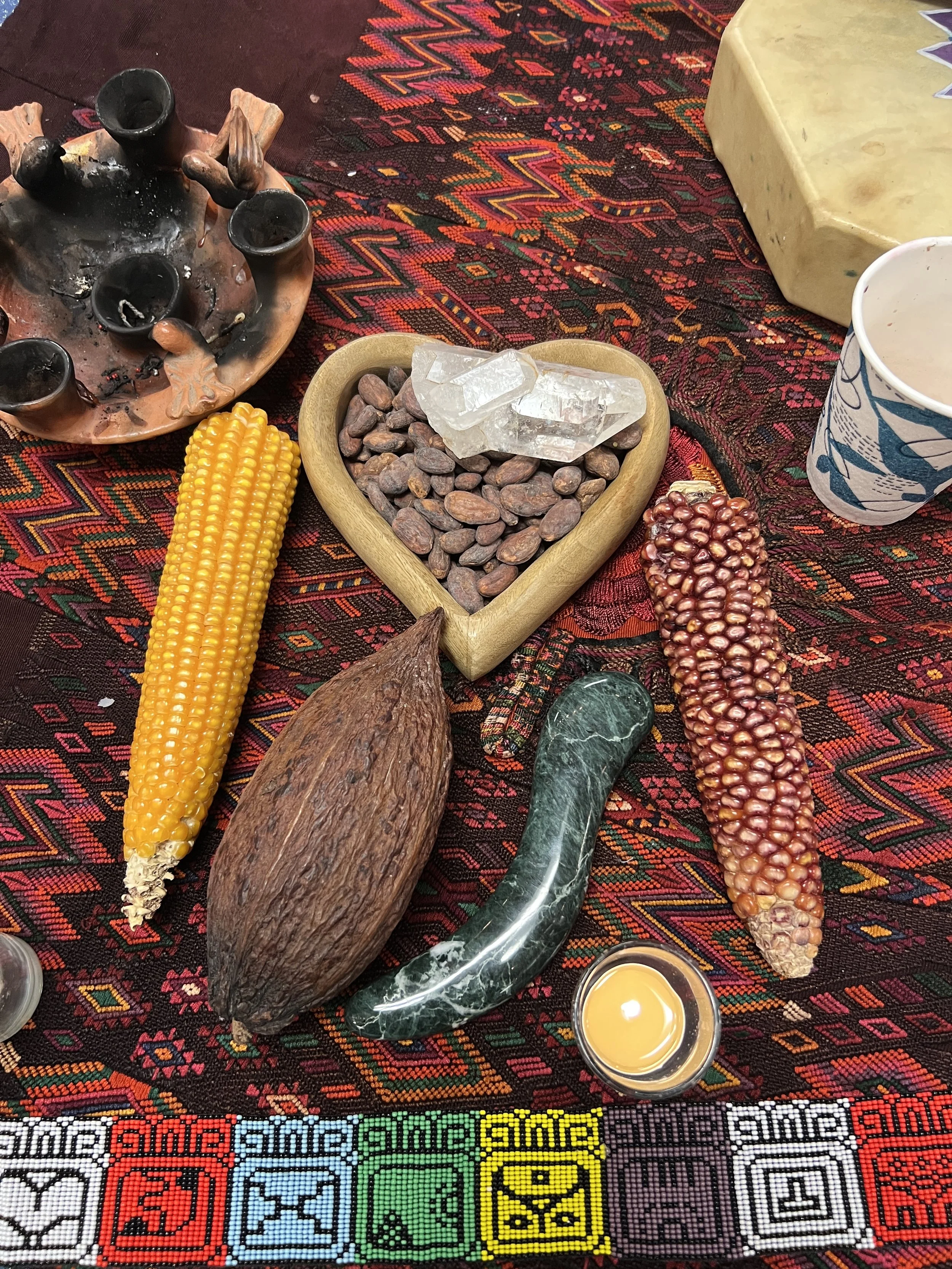
On the first day of Maya Voices, Maya families and students recruited by the Escuelitas team and from the Escuelitas base attended a variety of sessions hosted by Keme, Peraza Campos, and Escuelitas. Maura Sacach (Kaqchikel Maya) from Maya Moon Cacao opened the event with a spiritual invocation and cacao ceremony to root the attendees in ancestral tradition. She discussed agricultural and spiritual practices that have sustained the Maya peoples for centuries. Keme facilitated a workshop about the history, culture, and literature of the Maya peoples.
Parents chatted with Keme and Sacach about the importance of adults passing on their cultural traditions and language to their children, and to feel pride in their Maya heritage. According to Keme, “Involving parents and inviting them to reflect on their own embodied cultural and linguistic richness was paramount to our efforts to persist as Maya peoples in the diaspora. As Maya immigrants, we have brought with us seeds of corn whose roots are already growing and expanding in Turtle Island. Now, we bear the responsibility to care for and nourish those seeds — to cultivate life, memory, and future.”
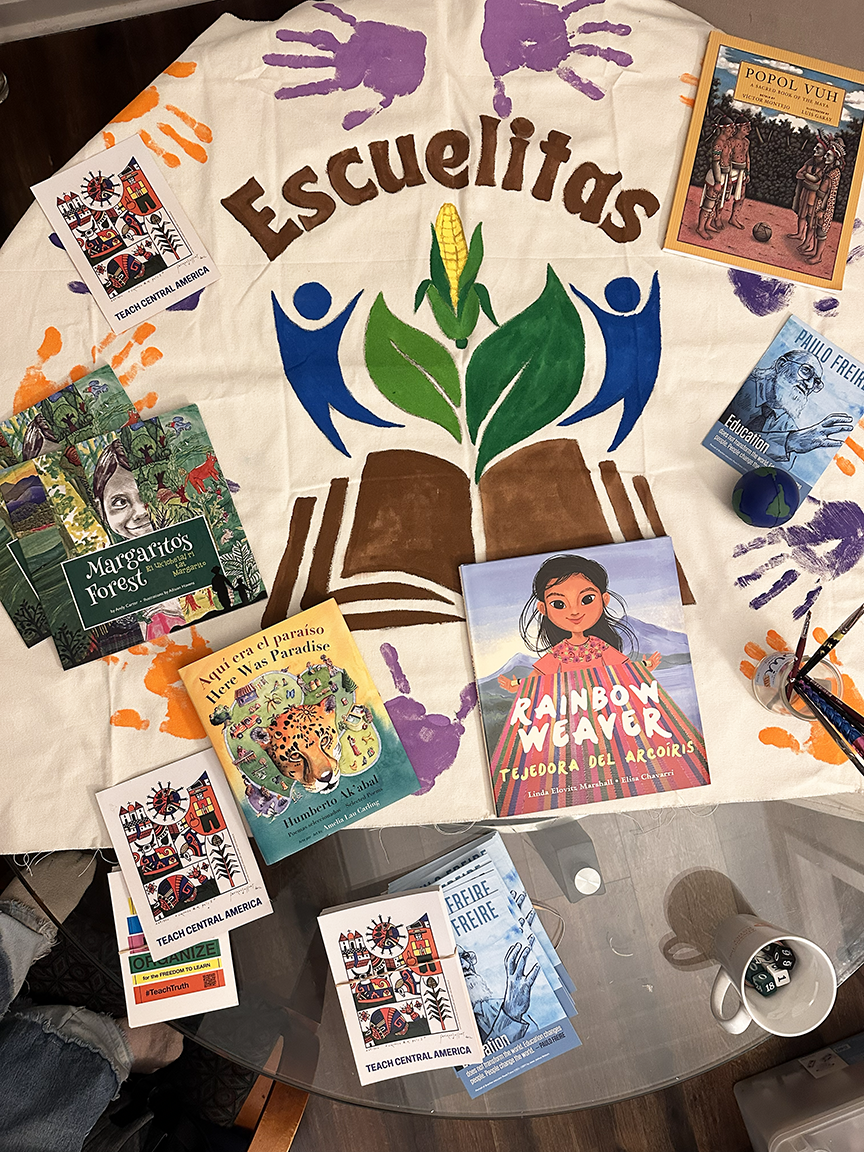
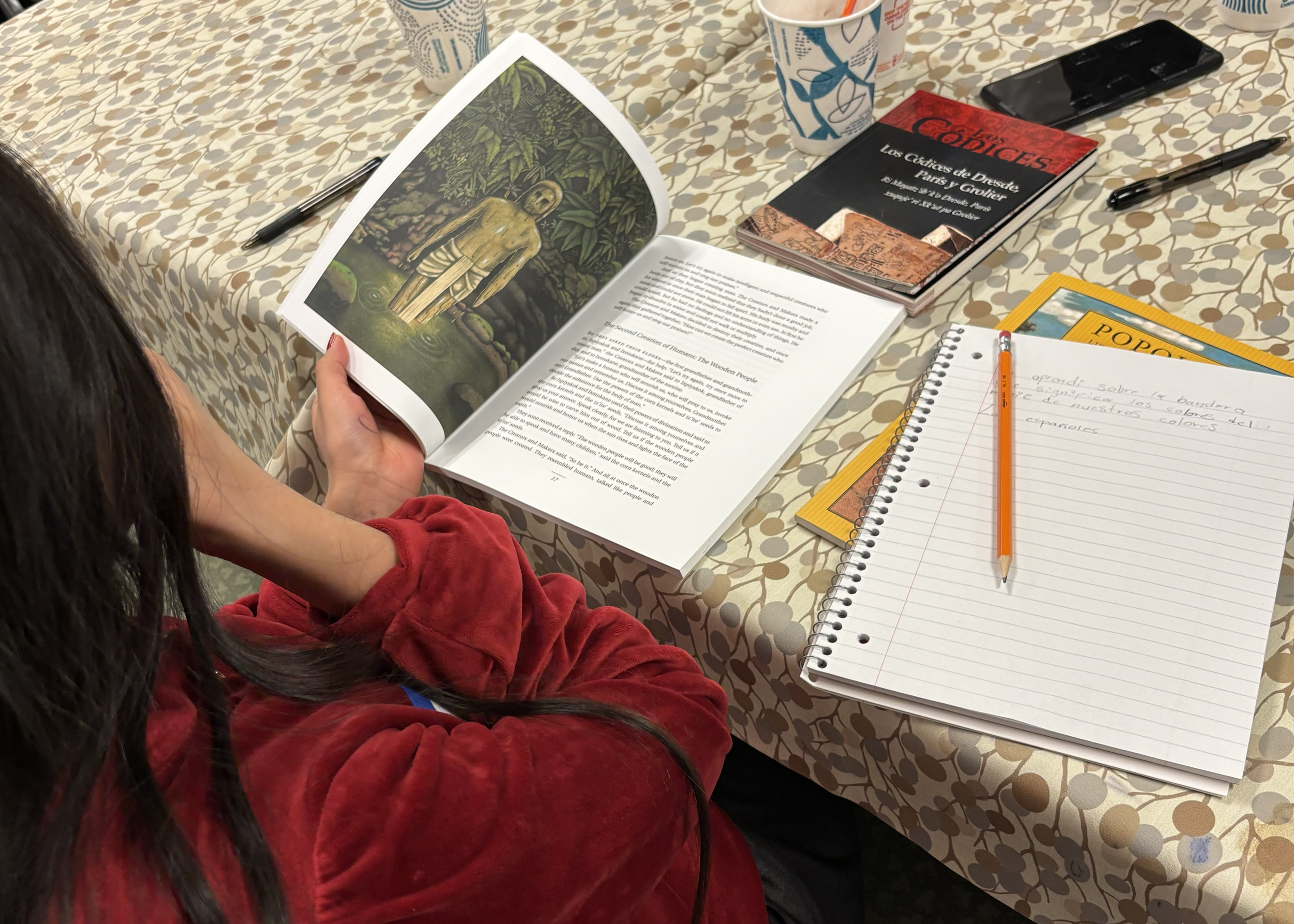
In a separate room, middle and high school students discussed with speakers from Comunidad Sol, Elena Sanchez (Maya Ixil) and Mateo Itzam (Maya Mam) about why Maya youth should seek out and reconnect to their culture and language. Students received copies of the Maya K’iche’s Popol Wuj (Edition by Victor Montejo, Maya Pop’ti), Humberto Ak’abal’s (K’iche’ Maya) Aquí era el paraíso / Here Was Paradise, Margarito’s Forest, Rainbow Weaver / Tejedora del Arcoíris, and a booklet with additional readings.
On the second day of Maya Voices, school teachers from the metro Atlanta area, especially Sequoyah Middle School teachers in DeKalb County Schools, attended a professional development session. Similar to the programming for families and students, Keme and Sacach instructed teachers in the history and cultures of Maya students who they teach on the Buford Highway corridor and throughout metro Atlanta.
Peraza Campos introduced teachers to Teaching Central America’s Indigenous Central America resources. He also introduced key tenets of teaching ethnic studies and Indigenous studies from a culturally sustaining and revitalizing approach. Together, the teachers developed lessons and materials to support the teaching of Maya Indigenous studies aligned with academic standards.
The Atlanta Chapter of the Association of Raza Educators (ATL ARE) shared about their campaign to work with and protect immigrant students and families, including Maya Mam community members, in the DeKalb County school district to recruit teachers to the cause. Among ATL ARE’s demands to the school district include the recruitment and retention of Spanish-speaking and Maya Mam-speaking faculty, staff, and interpreters in the school district. ATL ARE is also urging for the district to provide ethnic studies and Indigenous studies courses and materials to support a culturally sustaining and revitalizing curriculum that meets the needs of Latinx and Indigenous students in the district.
For the third session, Maya students arrived at Emory University to learn about creative expression from Keme’s colleagues from Emory University. Professor Julio Medina (Mexica) from the Dance Department, taught a workshop about dance and Indigenous hip hop. Award-winning writers Professor Tiphanie Yanique and Dr. Jericho Brown from the Creative Writing Program at Emory instructed students in short story writing and poetry. Students practiced telling their stories and poems related to their own Maya Indigenous experience in Georgia. They also discussed the importance of creating spaces for Indigenous Maya youth that are crucial to development, maintenance, and defense of their community.
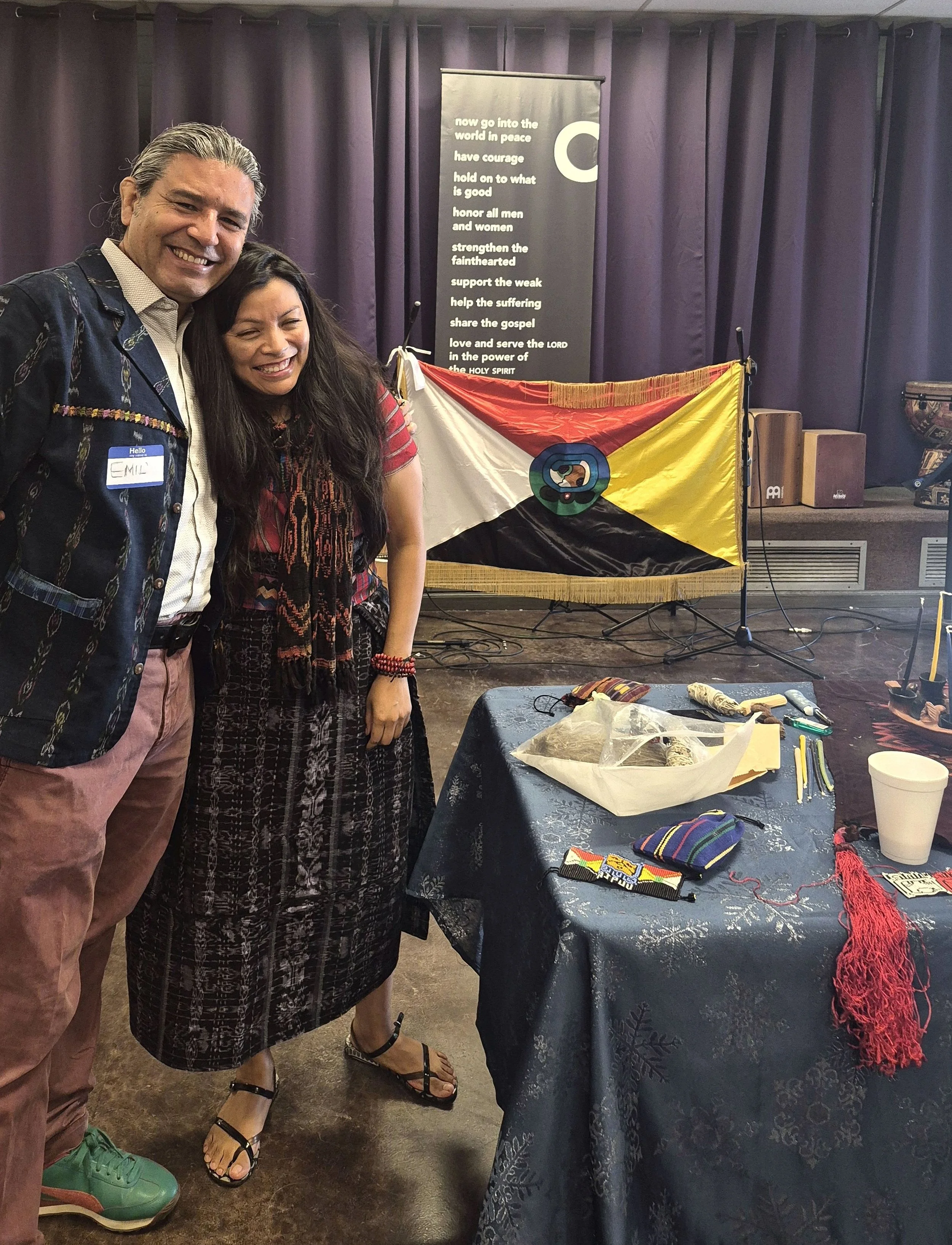
In the last session, students prepared final stories, testimonies, and poems, artwork that will be compiled into an open-access anthology about the Maya youth experience in Georgia and they will perform their writings for the community. Meanwhile, Maya parents were interviewed by Emory University volunteers to collect their oral histories. Parents and students alike discussed their experiences as Maya peoples and as migrants to the Buford Highway neighborhood of Atlanta.
Partners that made the Maya Voices program possible were Emory University, International Maya League, Maya Moon Cacao, Escuelitas on Buford Highway, and Atlanta Association of Raza Educators who organized the event over months. The Maya Book Project and Hard Ball Press donated copies of Don Margarito’s Forest in various Maya languages, including Mam as the most populous language spoken on Buford Highway, to Maya Voices students. Lee & Low Books donated copies of Rainbow Weaver and other Central American storybooks.