
Student Projects on Contemporary Central America
Students in a course at Yale called Ethnicity, Race, & Migration: Central Americans in the United States developed capstone projects on contemporary issues that can be useful for high school classrooms. The instructors, Katy Maldonado and Leigh-Anna Hidalgo, invited Teaching for Change's Teach Central America project to consult on the class and to share the results.
The capstone projects are available here. Read about them below.
Barriers to healthcare as a result of historical, social, and legal violence
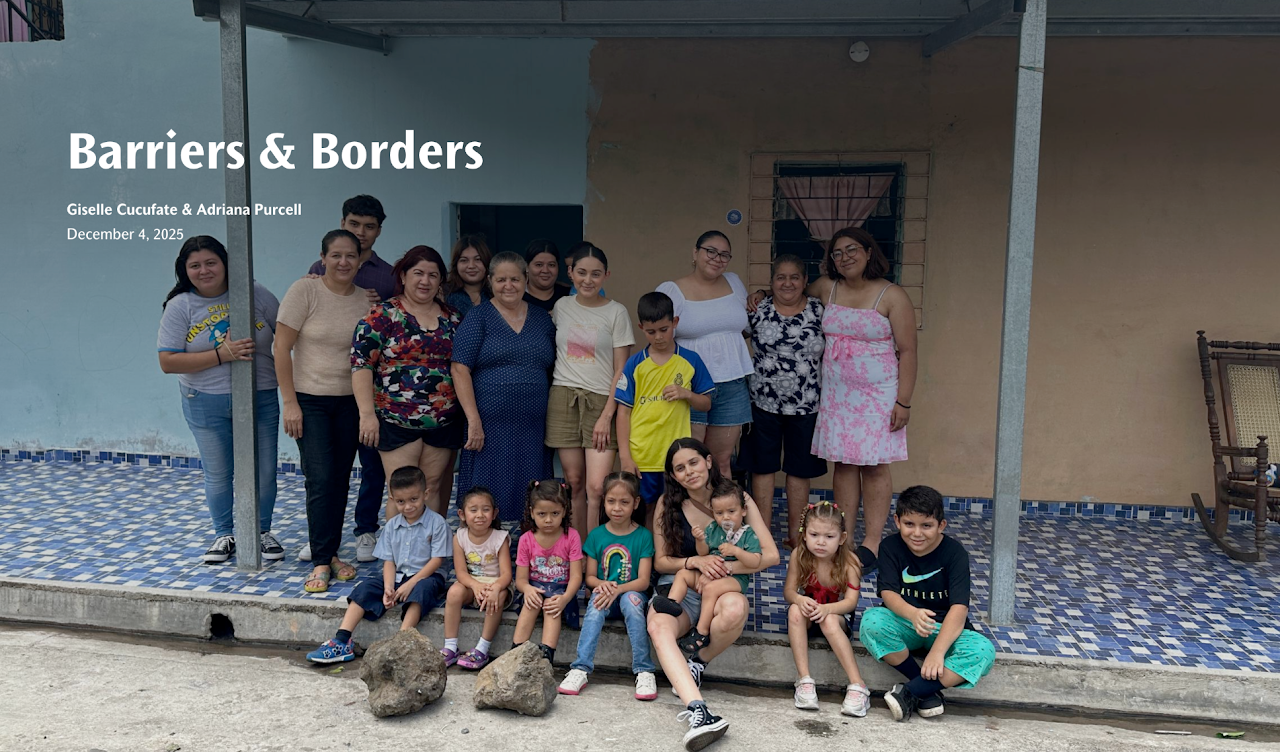
By Giselle Cucufate and Adriana Purcell
How can healthcare professionals deliver trauma-informed, patient-centered care to Central American migrants? Our goal is to inspire clinical students and professionals to learn how specific Central American historical and generational trauma may impact the ways healthcare is received by migrants in the United States. Central American migrants, specifically from Guatemala, El Salvador, and Honduras, continue to be the largest migrating population to the United States. With an understanding of culturally-constructed barriers to healthcare, we hope that patience, empathy, and empowerment will bloom.
How performance fosters belonging and honors Black and Indigenous histories
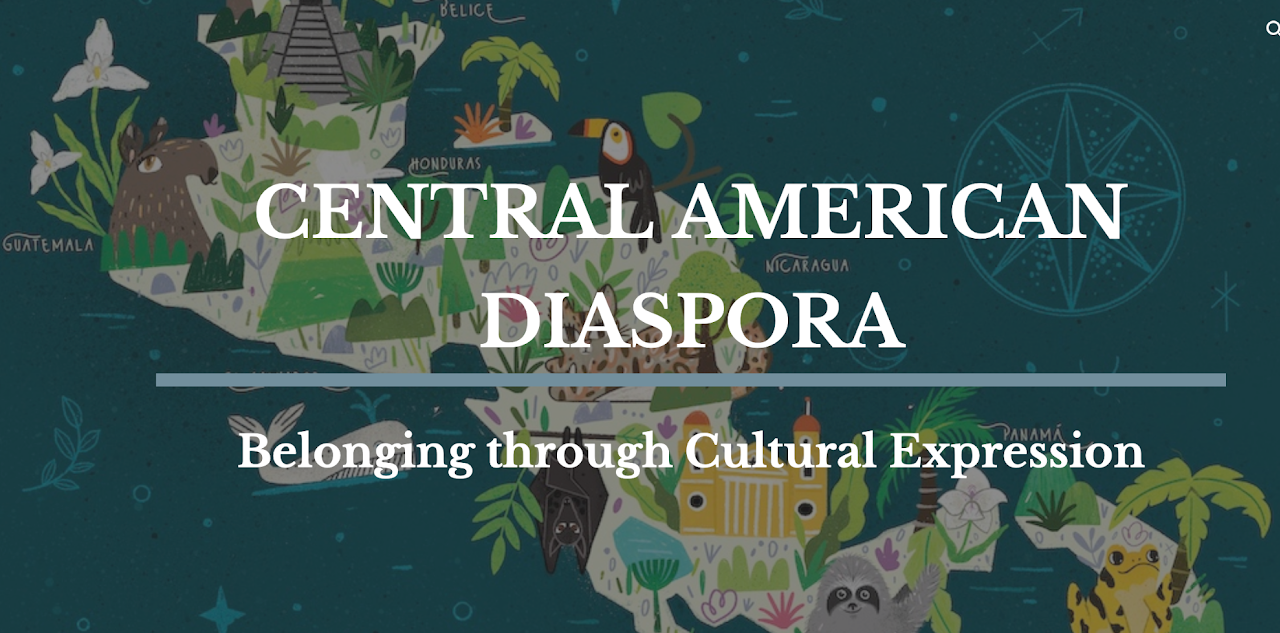
By Yair Guijosa-Torres, Lesli Muñoz Perez, Nahomy Reyes Mejia, and Jocelyn Perez
This project aims to illustrate how identity and belonging appear in the Freestyle Rap of Salvadorans in Los Angeles and in the experiences of Central American community members at Yale in New Haven. Freestyle Rap and Punta Rock are founded in the rich culture of historically marginalized identity, and each has created spaces of belonging for Central Americans in the diaspora. Freestyle Rap is deeply influenced by Black communities, while Punta Rock comes from the Afro-Indigenous Garifuna people. By highlighting these two forms of cultural expression, our project challenges dominant narratives (mestizaje) that erase Black and Indigenous presence in Central America.
How disability shapes decisions to migrate and the journey while migrating
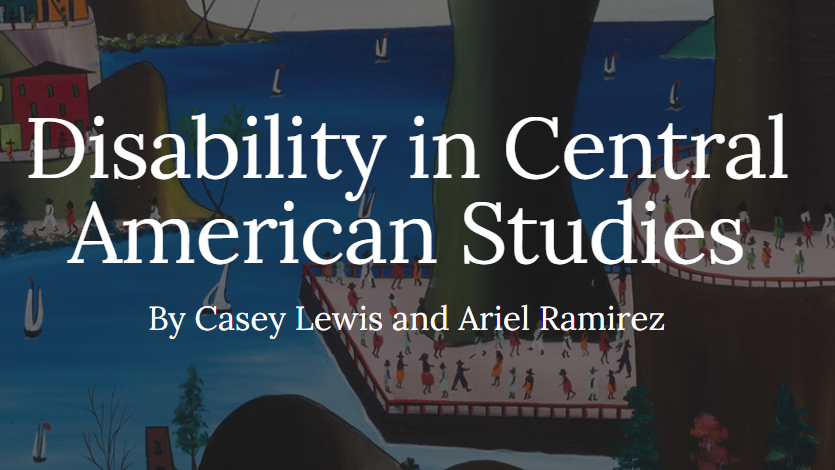
By Casey Lewis and Ariel Ramirez
This repository brings together reports, studies, testimonies, journalism, multimedia, and various resources to create a wide collection on disability and migration in Central American communities. Each category highlights different forms of representation. This repository was made because many times disability shapes individuals and families but is often undocumented. Use this project as a starting point to explore how disability is under-documented, understood, and experienced across borders. We aim to present materials that center the voices and experiences of disabled migrants.
Responding to historic and contemporary xenophobia with practical tools
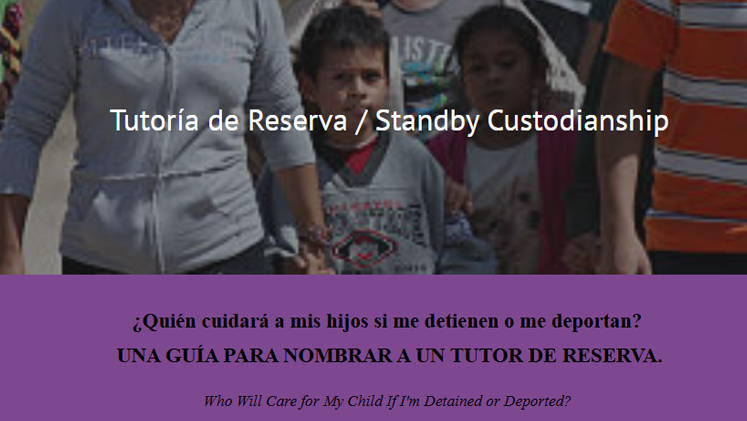
By Juan Araujo, Julia Lin, Kelly Tran, and Giselle Verdugo Acosta
Our project responds to the urgent and ongoing crisis of deportation and family separation in the United States. This crisis is rooted in a long history of U.S. immigration enforcement that has consistently targeted brown, immigrant communities through surveillance, detention, and deportation. Central Americans in particular have been disproportionately affected, shaped by decades of U.S. foreign policy in the region and domestic policies that criminalize migration. Today, expanded ICE operations and the streamlining of deportation processes have only intensified this threat, leaving millions of mixed-status families in a constant state of uncertainty. We aim to address the critical gap in information and awareness about Standby Custodianship for Spanish-speaking and Central American communities in Connecticut. Despite being accessible and free, Standby Custodianship remains greatly underutilized. This is due to factors such as complex legal language, limited outreach, and a broader context of fear and mistrust that many immigrant families experience when navigating state systems.
The harmful and inaccurate myths perpetuated by the Bukele regime
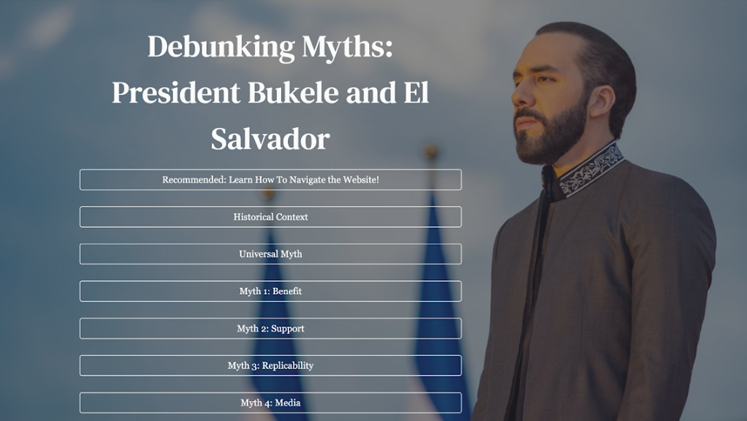
By Yocilin Solis and Nicole Velez
Our website is designed to be an accessible learning hub for middle school and high school students who want to understand contemporary El Salvador. It focuses on President Bukele and his government, the rapid expansion of the country’s carceral system, documented human rights concerns, and other key actors and developments that help explain the nation’s current political and social landscape. Using a Debunking Myth Model, we show students that multiple viewpoints exist surrounding Bukele and his policies. By examining relevant contexts and drawing on scholarly and reputable sources, we demonstrate how even widely accepted beliefs can be questioned and refined to reflect a more accurate reality. We also encourage students to continue investigating on their own. We hope that the Debunking Myth Model will support students as they grow in their academic journeys. Through this approach, students learn to examine the context of a topic, identify the main sides or beliefs, and investigate evidence to build a working “reality.”